How to Propagate Ziricote?
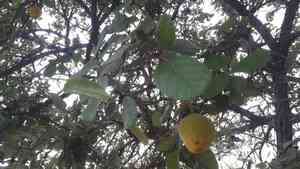
Ziricote, a tropical hardwood, is highly valued for its robust and attractive timber, frequently utilized in furniture and musical device construction. To multiply ziricote, cultivators can use cuttings, a technique enabling the replication of the original tree. For optimal outcomes, gather semi-hardwood cuttings from vigorous, uninfected parent plants. Apply rooting compounds to stimulate root formation and ensure a growing medium with good drainage. Sustain a moist atmosphere for the cuttings, avoiding excessive watering, to foster robust root development.
Optimal Time for Ziricote Propagation
Propagation Method
Cuttings
Propagation Period
Fall,Winter
Tools Required for Ziricote Propagation
Sharp Pruning Shears
These are vital for obtaining clean sections from ziricote. Precise cuts minimize damage to both the parent plant and the cutting, boosting the likelihood of successful rooting. Sharp shears also prevent disease transmission by creating a clean incision without ragged edges prone to infection.
Rooting Hormone
Applying rooting hormone to the cut end of ziricote accelerates root development, which is essential for the successful establishment of new plants from cuttings. Rooting hormones contain auxins that stimulate root cell formation, increasing the probability of successful propagation.
Sterile Potting Mix
Employing a sterile potting mix ensures that ziricote cuttings are placed in an environment free from disease-causing agents that could lead to rot or illness. A well-draining, nutrient-rich potting mix supports initial root growth by providing necessary air circulation and moisture retention.
Propagation Tray
This container holds the potting medium and maintains the required moisture and temperature conditions for ziricote cuttings. Appropriate trays also facilitate the efficient organization of multiple cuttings, offering an ideal growth environment with stable conditions throughout the propagation phase.
Misting Bottle
Maintaining high humidity around ziricote is crucial during the initial rooting stage. A misting bottle allows for gentle hydration that does not disturb new roots or wash away rooting hormone. Regular misting helps sustain high humidity, which is vital for encouraging root growth.
How to Propagate Ziricote?
Propagation Difficulty
Moderately Difficult
Caring for Your Newly Propagated Ziricote
Caring for Your Newly Propagated Ziricote
Once ziricote cuttings have successfully rooted, which may take several weeks, gradually introduce them to less humid conditions by progressively opening the plastic cover over several days. After acclimation, relocate the young plants to a spot receiving partial sunlight where they can continue to develop. Maintain consistent soil moisture and apply a balanced fertilizer monthly to encourage healthy growth. Avoid excessive watering to prevent root rot. As the plants mature, position them in environments that mimic their natural habitat, featuring well-draining soil and some protection from direct afternoon sun.
Common Errors to Avoid When Propagating Ziricote
Overwatering
Excessive watering of ziricote can lead to root rot, as the species prefers well-drained soil. Too much moisture hinders healthy root development, which is crucial for successful propagation.
Insufficient Lighting
Providing inadequate light can result in weak growth and poor root formation. Ziricote thrives in bright, indirect light, which is essential for robust development.
Using Unsterilized Tools
Propagating with unclean tools can introduce pathogens to ziricote, negatively impacting its growth and health. Infections can impede propagation success.
Improper Soil Composition
Using soil that retains too much water or is overly dense can lead to poor root aeration and drainage, hindering ziricote's root development.
Propagation from Weak Cuttings
Using weak or diseased ziricote cuttings typically results in unsuccessful propagation, as these cuttings lack the necessary vigor for new growth.
Tips for Propagating Ziricote
Correct Cutting Method
Ensure ziricote cuttings are 4-6 inches long with multiple nodes. Use a sharp, sterilized knife for clean cuts, which aids in faster healing and root formation.
Optimal Soil Preparation
Prepare a well-draining, sandy soil mix to enhance aeration around ziricote's roots, which is vital for successful rooting and growth.
Adequate Humidity
Maintaining moderate humidity around ziricote during propagation helps prevent cuttings from drying out, which is critical until roots develop.
Rooting Hormone Application
Applying a rooting hormone to the base of ziricote's cuttings can significantly improve root development chances by stimulating root growth at the cut sites.
Regular Monitoring
Consistently monitor the moisture and overall condition of ziricote's propagation setup. Adjust watering based on soil dryness to support consistent but moderate soil moisture.



