How to Propagate Convallaria keiskei?
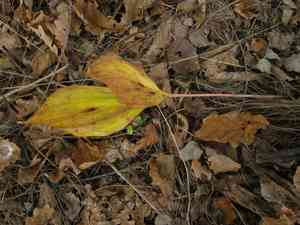
Successful propagation of convallaria keiskei is achievable via seeding. Readying the process entails utilizing a damp growing substrate for seed insertion, making certain the surroundings stay uniformly moist. Periodically inspect for arid soil conditions and irrigate suitably, preventing excessive saturation, to encourage the development of young plants.
Optimal Period for Convallaria Keiskei Propagation
Propagation Method
Seeding
Propagation Period
Spring
Equipment Utilized in Convallaria Keiskei Propagation
Seed Trays
Seed trays are crucial for planting convallaria keiskei seeds. They offer a controlled setting for germination and initial seedling growth, ensuring uniform spacing and correct depth.
Seedling Mix
A premium seedling mix, typically well-draining and rich in nutrients, is essential for the initial stages of seed sprouting and development. It supplies necessary nutrients and prevents waterlogging.
Fine Mist Sprayer
A fine mist sprayer ensures the soil remains damp without becoming saturated. This is important for convallaria keiskei seeds, which need consistent moisture for successful germination.
Propagation Dome
A propagation dome maintains elevated humidity levels, which are advantageous for the germination of convallaria keiskei seeds. It also aids in keeping a stable temperature.
Heat Mat
A heat mat provides warmth from below, which can speed up the germination process by maintaining an ideal soil temperature for convallaria keiskei.
Plant Labels
Plant labels help track different types or batches of convallaria keiskei seeds and seedlings. This is especially useful in a nursery environment or when dealing with multiple species.
Sterile Tools
Employing sterile tools like tweezers or small dibbers can prevent the introduction of pathogens to the seeds or seedlings. This is vital for preserving the health of convallaria keiskei during propagation.
How to Propagate Convallaria Keiskei?
Propagation Type
Simple
How to Nurture Your Recently Propagated Convallaria Keiskei?
How to Nurture Your Recently Propagated Convallaria Keiskei?
Following transplantation, convallaria keiskei plants require consistent moisture and well-draining soil. Apply mulch around the plant bases to retain moisture and regulate soil temperature. Provide partial to full shade as convallaria keiskei prefers less direct sunlight. Regularly inspect for pests and diseases, removing any affected parts promptly. Fertilize with a balanced, slow-release fertilizer according to instructions to support healthy growth. Closely monitor young plants for signs of stress and take corrective actions as needed to ensure successful establishment.
Common Errors to Avoid When Propagating Convallaria Keiskei
Overwatering
Excessive water can lead to root rot, which can severely harm or kill convallaria keiskei. Proper drainage is crucial to prevent waterlogging.
Using Inferior Soil
Soil that is too compact or drains poorly can hinder root development and overall plant health. Convallaria keiskei prefers well-draining soil.
Incorrect Division
Dividing the plant too aggressively or improperly can damage the rhizomes. It's important to ensure each division has sufficient roots and buds.
Insufficient Spacing
Planting divisions too close can result in overcrowding, which restricts growth and increases susceptibility to diseases.
Advice For Propagating Convallaria Keiskei
Ensure Proper Drainage
Utilize pots or garden beds with good drainage to prevent water accumulation. Incorporate sand or perlite to enhance soil drainage.
Use High-Quality Soil
Choose a well-draining, fertile soil mix to support healthy root development for convallaria keiskei.
Careful Division
Gently separate the rhizomes, ensuring each piece has both roots and shoots. Use a clean, sharp tool to minimize damage.
Appropriate Spacing
Space divisions adequately to allow for ample growth and air circulation, reducing the risk of disease and promoting healthier plants.



