How to Propagate Rangoon creeper?
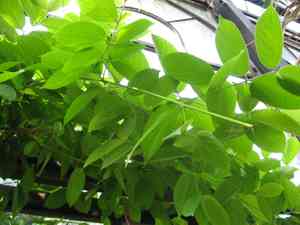
To cultivate the rangoon creeper, which produces vivid blossoms, its stems are best propagated by severing and rooting them. A precise, sterile incision guarantees robust root development. The growing medium ought to be well-aerated and sufficiently hydrated, and the cuttings prosper in filtered light, which aids in their optimal development. Rooting stimulant can accelerate this process, ensuring the stems are inserted at a suitable depth for firmness. Regular observation of hydration levels and preventing excessive dampness will foster successful propagation, leading to a thriving rangoon creeper.
Optimal Time for Rangoon Creeper Propagation
Propagation Method
Cutting
Propagation Period
Spring,Summer
Tools for Rangoon Creeper Propagation
Sharp Pruning Shears
These are vital for taking cuttings from rangoon creeper. Sharp blades ensure precise cuts, minimizing harm to the parent plant and boosting the likelihood of successful rooting in the cuttings. A clean cut lowers the risk of infection and stress to both the cutting and the parent plant.
Rooting Hormone
This substance is essential for promoting root growth in rangoon creeper cuttings. By dipping the cut ends of the stems into rooting hormone, you encourage faster and more dependable root development, which is crucial for the successful establishment of the cuttings.
Potting Mix
A well-draining and nutrient-rich potting mix offers the perfect environment for rangoon creeper cuttings to root and grow. The mix should retain enough moisture to support root growth without becoming waterlogged, which could lead to rot.
Propagation Tray
Such a tray holds multiple cuttings in an organized, compact manner, ensuring each cutting has ample space and resources to develop roots. The tray should feature a humidity dome to maintain high humidity levels, critical for rangoon creeper cuttings to prevent drying out before they establish roots.
Heating Mat
This tool is especially useful for providing a consistent and appropriate temperature, enhancing the rooting process for rangoon creeper. It keeps the soil and surrounding air at an optimal temperature, which is particularly beneficial in cooler climates or seasons.
How to Propagate Rangoon Creeper?
Propagation Type
Moderately Difficult
Caring for Your Newly Propagated Rangoon Creeper
Caring for Your Newly Propagated Rangoon Creeper?
After successful propagation of rangoon creeper, gradually introduce the new plant to its environment by removing any plastic cover and reducing watering frequency. Position the plant where it receives full to partial sunlight and provide a trellis or similar support for climbing. Fertilize monthly during the growing season and prune as needed to maintain size and shape. Protect rangoon creeper from frost and extreme cold.
Common Mistakes to Avoid When Propagating Rangoon Creeper
Overwatering cuttings
Excessive watering of cuttings can lead to rot and fungal diseases, resulting in poor root development and potential death of the rangoon creeper cuttings.
Using dull cutting tools
Employing dull or unsanitary cutting tools can harm the tissues of rangoon creeper, leading to poor healing and increased vulnerability to disease.
Overcrowding cuttings
Placing too many cuttings in one container can restrict airflow and growth, leading to unhealthy root systems and reduced chances of successful propagation for rangoon creeper.
Ignoring rooting hormone
Neglecting the use of rooting hormones can result in slow or unsuccessful root development, impeding the propagation success of rangoon creeper.
Neglecting humidity
Failing to maintain adequate humidity around rangoon creeper cuttings can cause them to dry out before they have a chance to establish roots.
Tips For Propagating Rangoon Creeper
Choose healthy stems
Selecting robust and disease-free stems as cuttings will improve rooting success and the overall health of rangoon creeper.
Proper cutting technique
Making a clean, angled cut below a node ensures optimal exposure of the tissues that will form roots and enhances the survival rate of rangoon creeper.
Use clean sharp tools
Utilizing clean, sharp cutting tools helps prevent infection and promotes healthy callus formation necessary for root development in rangoon creeper.
Providing sufficient humidity
Maintaining high humidity with a propagation dome or misting can prevent cuttings from drying out and improve rooting success for rangoon creeper.
Not overwatering
Water cuttings moderately to keep the soil moist but not waterlogged, preventing root rot and enhancing the rooting process for rangoon creeper.
Rooting medium conditions
Using a well-draining and sterile medium supports healthy root growth and prevents diseases during the propagation of rangoon creeper.
Rooting hormone application
Applying rooting hormone to the cut end of rangoon creeper cuttings can stimulate faster root growth and increase the chances of successful propagation.



