How to Propagate Rose glory bower?
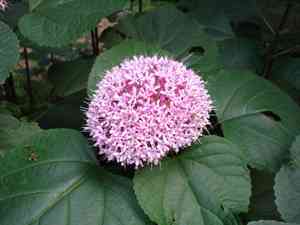
Clerodendrum thomsoniae is most effectively propagated in the Fall and Winter seasons through techniques like cuttings and air layering. This propagation process can present a moderate level of difficulty, with indicators of success being the emergence of new shoots and the formation of roots. Providing ideal environmental conditions will enhance the likelihood of successful propagation.
Optimal Period for Rose Glory Bower Propagation
Propagation Method
Cutting
Propagation Period
Autumn,Winter
Essential Tools for Rose Glory Bower Propagation
Pruning Shears
Pruning shears are vital for obtaining healthy, precise cuttings from rose glory bower. Their sharp blades ensure a clean incision, minimizing harm to both the parent plant and the cutting. For rose glory bower, a straight cut beneath a node significantly increases the likelihood of root formation.
Rooting Hormone
Rooting hormone aids in the development of roots from rose glory bower cuttings. Dipping the severed end of a stem cutting into this hormone can stimulate faster and more dependable rooting, especially beneficial for semi-hardwood rose glory bower cuttings.
Sterile Potting Mix
A sterile potting mix offers a clean, pathogen-free environment for rose glory bower cuttings to establish roots. It also guarantees proper drainage and aeration, crucial elements for the delicate rooting process of rose glory bower.
Propagation Trays
Propagation trays serve as convenient, organized containers for planting multiple rose glory bower cuttings. They simplify maintaining consistent moisture levels and temperature during the rooting phase.
Clear Plastic Bags or Domes
Clear plastic bags or domes help maintain high humidity around rose glory bower cuttings, which is critical for preventing water loss through transpiration before the cuttings develop roots to absorb water.
Heating Mats
Heating mats provide warmth from below, encouraging root growth in rose glory bower cuttings. Consistent, gentle heat can accelerate the rooting process, which is advantageous during cooler growing seasons or climates.
Post-Propagation Care for Your Rose Glory Bower
Post-Propagation Care for Your Rose Glory Bower
Once the rose glory bower cutting has rooted, indicated by resistance when gently tugged, gradually acclimate it to the external environment by reducing humidity. Keep the soil consistently moist, but not waterlogged, and apply a balanced liquid fertilizer monthly during the growing season. Rose glory bower thrives in partial shade to full sun and benefits from protection against intense afternoon sunlight. As a vigorous grower, rose glory bower may require pruning to maintain its shape and size.
Common Errors to Avoid When Propagating Rose Glory Bower
Incorrect cutting size
Cuttings that are either too small or too large may not root effectively, jeopardizing the health and viability of new rose glory bower plants.
Excessive watering
Too much moisture can lead to root rot, which is particularly damaging to the delicate rooting system of rose glory bower during propagation.
Ignoring plant health
Propagating from diseased or pest-ridden parent plants can transfer issues to the new rose glory bower plants, impeding their growth.
Poor sanitation
Using uncleaned tools can introduce pathogens, negatively impacting the successful establishment of rose glory bower cuttings.
Neglecting humidity control
Failure to maintain an adequate humid environment might cause rose glory bower cuttings to dry out before they can root.
Advice for Propagating Rose Glory Bower
Optimal cutting selection
Choose healthy, robust stems for cuttings to ensure strong growth and improved rooting chances for rose glory bower.
Moderate watering
Provide just enough water to keep the soil moist, avoiding waterlogged conditions to promote healthy root development in rose glory bower.
Parent plant care
Select cuttings from well-maintained, disease-free parent plants to enhance the overall health and success rate of propagated rose glory bower plants.
Tool sterilization
Always use sterilized pruning tools when taking cuttings to prevent the spread of diseases to new rose glory bower plants.
Humidity maintenance
Create a humid environment, such as using a propagation dome or plastic bag over the cuttings, to prevent desiccation of rose glory bower during early growth stages.



