How to Propagate Wampi?
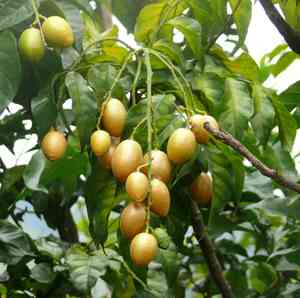
Hailing from Southeast Asia, wampi is typically multiplied via grafting. This technique entails acquiring a scion from a robust wampi and joining it with a rootstock, guaranteeing the effective transmission of the plant's desired traits. When performing wampi grafting, it is advisable to choose mature, pathogen-free samples to enhance the probability of successful propagation. Gentle manipulation of the graft junction assists in the development of the new plant. It is crucial to sustain sufficient hydration and shield the graft from harsh environmental elements until the tissues have integrated.
What Is the Best Time To Propagate Wampi?
Propagation Type
Grafting
Propagation Season
Spring,Winter
What Tools Are Used in Wampi Propagation?
Grafting Knife
A sharp, clean grafting knife is crucial for making precise cuts on the scion and rootstock of wampi. Clean cuts facilitate successful graft unions by encouraging better contact and healing between the grafted parts.
Grafting Tape
This tool is utilized to firmly wrap and secure the graft junction. It maintains alignment and pressure at the grafting site, shielding the graft from environmental factors and infections while ensuring the tissues of wampi properly fuse.
Pruning Shears
Used for preparing the rootstock and trimming excess branches of wampi prior to grafting. Sharp, sterilized shears prevent infection and ensure smooth cuts that heal faster, which is vital for a successful graft.
Wax or Sealant
Applying grafting wax or sealant to the cuts of wampi helps prevent desiccation and protects against pathogens. This is essential for the survival and successful establishment of the new graft.
Rooting Hormone (optional)
While not typically required for grafting, applying rooting hormone can sometimes encourage faster healing and establishment at the graft site, improving the overall success rate when propagating more challenging selections of wampi.
How to Propagate Wampi?
Propagation Type
Moderately Difficult
How to Care for Your Newly Propagated Wampi?
How to Care for Your Newly Propagated Wampi?
After successful propagation of wampi, gradually introduce the new plant to less controlled outdoor conditions if it was started in a greenhouse. Water the soil regularly, keeping it moist but not saturated. Fertilize with a balanced, slow-release product according to the manufacturer's instructions to support healthy growth. Monitor for signs of pests or disease and apply appropriate control methods if needed. Prune correctly to shape the tree and encourage fruit production.
Common Mistakes to Avoid When Propagating Wampi
Overwatering
Excessive water can lead to root rot for wampi, a condition that deprives the roots of oxygen and can kill the plant.
Neglecting Hygiene
Using contaminated tools or pots without sterilization can introduce diseases to wampi, which can be particularly vulnerable during the propagation phase.
Using Soil with Poor Drainage
While wampi appreciates moisture, soil that does not drain well can cause water to accumulate and harm the roots.
Ignoring Cuttings' Orientation
For wampi, failing to pay attention to the top and bottom orientation of stem cuttings can result in propagation failure, as roots tend to grow from the bottom end.
Planting Cuttings too Deeply
Inserting cuttings of wampi too far into the substrate can hinder oxygen access and cause them to rot.
Tips For Propagating Wampi
Adequate Moisture Balance
Maintain consistent moisture for wampi cuttings without saturating the soil, as this promotes healthy root development without the risk of rot.
Sterilize Equipment
Always use clean, sterilized tools and pots to avoid transmitting diseases to wampi.
Well-Draining Soil
Use a well-draining soil mix for wampi to ensure that excess water doesn't harm the plant's delicate roots during propagation.
Proper Cutting Orientation
Be mindful of the cuttings' orientation, always planting wampi with the right side up to facilitate successful root development.
Shallow Planting
Plant wampi cuttings shallowly to ensure they have access to enough oxygen and to prevent rot.



