How to Propagate Mildred's clarkia?
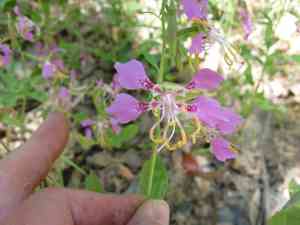
Clarkia Mildred's, an attractive wild bloom, flourishes when seeded. Provide soil with good drainage and ample sunlight for peak development. Gently pressing the seeds into the earth without deep burial is essential. Maintaining consistently damp, but not saturated, soil aids in successful seed sprouting. Utilize natural mulch to preserve moisture and inhibit weed proliferation near young plants. Sufficient distance between plants prevents congestion and fosters robust growth.
Optimal Period for Mildred's Clarkia Propagation
Propagation Type
Sowing
Propagation Season
Spring
Essential Tools for Mildred's Clarkia Propagation
Seed Trays
Seed trays offer a controlled setting for planting mildred's clarkia seeds. They aid in even moisture distribution and easy handling during initial growth stages.
Fine Soil Mix
A fine soil blend is crucial for successful mildred's clarkia germination. It ensures proper drainage, aeration, and nutrient access for young plants.
Spray Bottle
A spray bottle allows for gentle watering of seedlings without disturbing the soil or dislodging mildred's clarkia seeds. This maintains consistent moisture vital for germination.
Plastic Dome or Cloche
A plastic dome or cloche helps maintain humidity and warmth, creating a micro-environment that boosts mildred's clarkia germination rates.
Heat Mat
A heat mat provides warmth from below to seed trays, which can speed up the mildred's clarkia germination process by keeping soil temperatures optimal.
Grow Lights
Grow lights supply sufficient illumination to seedlings, especially in dim conditions, promoting healthy growth and preventing etiolation in mildred's clarkia.
Labeling Stakes
Labeling stakes assist in identifying mildred's clarkia seedlings, ensuring proper tracking and care throughout the propagation process.
Transplanting Trowel
A transplanting trowel is used for safely moving individual mildred's clarkia seedlings from seed trays to larger containers or beds, minimizing root disruption.
Fertilizer
A balanced, diluted fertilizer supports the nutritional needs of established seedlings, encouraging robust mildred's clarkia growth.
Propagation Journal
A propagation journal helps record sowing dates, germination rates, and mildred's clarkia growth progress, enabling better planning and improvements for future propagation efforts.
How to Propagate Mildred's Clarkia?
Propagation Type
Easy
Caring for Your Newly Propagated Mildred's Clarkia
Caring for Your Newly Propagated Mildred's Clarkia
Ensure mildred's clarkia receives full sun exposure and keep the soil slightly moist. Apply a balanced, slow-release fertilizer once per growing season to support healthy development. Monitor for pests and diseases, and provide support if plants become top-heavy. Regular removal of spent blooms will encourage continuous flowering.
Common Errors to Avoid When Propagating Mildred's Clarkia
Overwatering
Excessive watering can lead to root rot and other fungal issues, hindering growth and potentially killing mildred's clarkia.
Improper Soil Choice
Mildred's clarkia requires well-draining soil. Using dense or clay-rich soil can result in poor root development and waterlogging.
Insufficient Light
Lack of adequate sunlight can lead to weak, leggy growth and poor flowering.
Transplanting Errors
Transplanting mildred's clarkia when too young or without proper care can cause transplant shock, leading to wilting or death.
Tips For Propagating Mildred's Clarkia
Soil Preparation
Utilize well-draining soil with a blend of sand, loam, and organic matter to create an ideal growing environment for mildred's clarkia.
Watering Technique
Water mildred's clarkia sparingly, allowing the soil to dry out slightly between waterings to prevent root rot.
Sunlight Exposure
Position mildred's clarkia in a location with full sunlight to ensure strong growth and abundant flowering.
Gentle Transplanting
When transplanting, handle mildred's clarkia with care, ensuring roots are undisturbed to minimize shock. Water immediately after transplanting.



