How to Propagate Indian chrysanthemum?
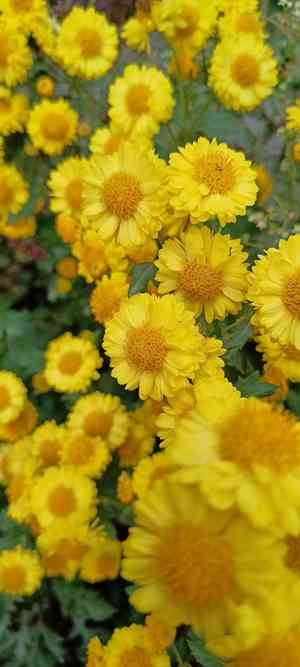
The Indian chrysanthemum, a perennial herbaceous plant, thrives in soil with good drainage and exposure to partial or full sun. To achieve successful propagation, sow seeds superficially in a medium that retains dampness but avoids saturation. A warm setting is essential for germination, which is vital for vigorous development. It is important to provide sufficient spacing between seedlings to avoid congestion and facilitate proper air movement. A slow adjustment period is necessary before moving them to an outdoor setting.
Optimal Time for Indian Chrysanthemum Propagation
Propagation Method
Seeding
Propagation Period
Spring
Tools for Indian Chrysanthemum Propagation
Seed trays
Seed trays are vital for successful indian chrysanthemum propagation. They enable uniform seed distribution and provide ample room for initial root growth. Utilizing seed trays helps maintain proper spacing between seeds, which is crucial for germination and early development, preventing overcrowding and ensuring adequate nutrients and light for each seedling.
Fine-textured potting mix
A fine-textured potting mix is advised to offer a well-draining yet moisture-retentive environment suitable for indian chrysanthemum seeds. This soil type ensures proper aeration and moisture levels, critical factors in the germination process of indian chrysanthemum, aiding in the development of healthy, robust seedlings.
Misting bottle
A misting bottle is employed to gently water seeds without dislodging them. The fine mist ensures the soil stays moist but not saturated, creating an ideal humid environment around indian chrysanthemum seeds, which promotes better germination rates and healthier initial plant growth.
Heat mat
A heat mat is especially beneficial for indian chrysanthemum as it provides bottom warmth, a known enhancer for germination in many plant species. Maintaining a consistent warm soil temperature stimulates faster and more uniform germination by optimizing the environment during critical seed development phases.
Grow lights
Grow lights are valuable when propagating indian chrysanthemum indoors or in areas with insufficient natural light. They supply the necessary light spectrum to support photosynthesis and healthy growth in indian chrysanthemum seedlings, ensuring they develop adequately until ready for outdoor transplanting or larger pots.
How to Propagate Indian Chrysanthemum?
Propagation Type
Simple
Caring for Your Newly Propagated Indian Chrysanthemum
Caring for Your Newly Propagated Indian Chrysanthemum
Post-propagation, continue to water indian chrysanthemum regularly to maintain consistent soil moisture. Position the plant where it receives ample indirect sunlight. Gradually introduce more direct sunlight to acclimate the plant for outdoor conditions. Fertilize monthly with a balanced, water-soluble fertilizer during the active growth period. Prune to maintain desired form and size, and remove any dead or diseased foliage to encourage healthy development.
Common Propagation Mistakes with Indian Chrysanthemum
Overwatering
Excessive moisture can lead to root rot and fungal infections, impeding indian chrysanthemum's ability to establish healthy roots during propagation.
Insufficient humidity
Indian chrysanthemum cuttings require a consistently moist atmosphere to root successfully; failure to maintain adequate humidity can cause cuttings to dry out and fail.
Poor cutting selection
Using diseased or weak indian chrysanthemum cuttings can result in poor or absent root development, as unhealthy cuttings are less likely to establish roots and grow.
Planting too deep
Inserting indian chrysanthemum cuttings too deeply into the soil can cause them to rot before rooting, as a lack of sufficient air can suffocate new roots.
Ignoring sterile conditions
Not using sterilized tools or containers for indian chrysanthemum propagation can introduce pathogens, potentially harming cuttings before they root.
Tips For Propagating Indian Chrysanthemum
Proper watering
Maintain consistently moist but not waterlogged soil, ensuring a balance that promotes healthy indian chrysanthemum root growth without causing decay.
Humidity control
Utilize a humidity dome or plastic bag to create a greenhouse-like environment for indian chrysanthemum cuttings, keeping moisture levels high to support rooting.
Healthy cutting selection
Choose robust, disease-free stem cuttings from indian chrysanthemum with at least 2-3 leaf sets, ensuring the selected cuttings have the best chance to root and thrive.
Correct planting depth
Plant indian chrysanthemum cuttings shallow enough to allow the stem bases to contact the air, facilitating proper root development.
Sterilization of tools
Always use clean, sterilized cutting tools and containers when propagating indian chrysanthemum, reducing the risk of contamination and disease.



