How to Propagate Early jessamine?
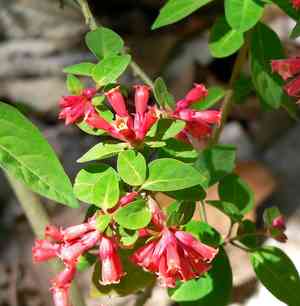
The propagation of early jessamine is efficiently accomplished through the use of cuttings. For successful propagation, horticulturalists ought to choose robust, non-blooming stems. Cuttings must be taken with a sterile, keen tool to guarantee a precise incision and minimize the potential for disease. The lower portion of the cutting is usually immersed in a rooting compound prior to its insertion into a well-aerated potting blend. Sustained dampness and warmth are crucial for fostering root growth. It is advisable to furnish a moist atmosphere, which can be achieved by covering the cuttings with a transparent cover or situating them within a propagation unit.
Optimal Time for Early Jessamine Propagation
Propagation Method
Cutting
Propagation Period
Spring,Summer
Tools for Early Jessamine Propagation
Sharp Pruning Shears
These are crucial for making clean, precise cuts on early jessamine. Sharp blades ensure smooth cut surfaces, minimizing infection risk and damage to the parent plant, which encourages quicker, healthier root development in cuttings.
Rooting Hormone
This substance stimulates root development at the cutting's base, increasing the chance of successful rooting. Rooting hormone is especially useful for early jessamine to quickly establish a robust root system, vital for the new plant's survival and growth.
Sterile Potting Mix
It's essential to use a sterile medium to prevent introducing diseases to new cuttings. A light, well-draining potting mix supports the delicate new roots of early jessamine without holding too much moisture, which could cause rot.
Propagation Trays
These trays are used to organize and maintain the moisture and temperature conditions for early jessamine cuttings. Quality trays also facilitate easy management of multiple cuttings, allowing for consistent care and observation.
Plastic Domes or Foil
Creating a moist microenvironment is critical for early jessamine cuttings to prevent water loss and encourage root growth. Covering propagation trays with plastic domes or clear foil maintains this controlled setting, boosting rooting success.
Heating Mats
These are beneficial for maintaining an ideal soil temperature, promoting faster root development for early jessamine. This is particularly relevant in cooler climates or during colder months, where ambient temperatures might not be suitable for propagation.
How to Propagate Early Jessamine?
Propagation Type
Moderately Difficult
Caring for Newly Propagated Early Jessamine
Caring for Newly Propagated Early Jessamine
Once roots are established, gradually introduce early jessamine to less humid conditions by removing the plastic cover if used. When new growth appears, begin monthly fertilization with a balanced, water-soluble product. Transplant into a larger pot or garden when the plant is strong enough. Provide early jessamine with full to partial sun and water regularly, allowing the top inch of soil to dry between waterings. Protection from cold is vital as early jessamine may be frost-sensitive.
Common Mistakes to Avoid When Propagating Early Jessamine
Overwatering cuttings
Excessive watering of early jessamine cuttings can lead to root rot, hindering the development of a healthy root system needed for successful propagation. Saturated soil deprives roots of oxygen, causing decay and fungal infections that can kill young plants.
Not using fresh seeds
Using old or improperly stored early jessamine seeds lowers germination rates. Fresh seeds are more viable and have a higher chance of successful germination, leading to healthier, more robust seedlings.
Cutting too short
Taking cuttings that are too short reduces the stored energy available to support root growth. Short cuttings have fewer nodes that can produce roots, negatively impacting the plant's overall development and stability.
Inadequate light for cuttings
Placing cuttings in overly dim conditions can impede their ability to photosynthesize effectively. Insufficient light slows down early jessamine's growth, making it difficult for the plant to establish a strong, viable system for nutrient uptake.
Tips For Propagating Early Jessamine
Use sharp, clean tools
Cutting early jessamine's branches with sharp, clean tools prevents damage and reduces the risk of introducing pathogens to the cut surfaces. This helps ensure healthy cuttings that are more likely to root and grow successfully.
Proper soil preparation
Using well-draining, nutrient-rich soil promotes healthy root growth for early jessamine. Soil that retains the right amount of moisture without becoming waterlogged supports the development of strong root systems in both seedlings and cuttings.
Humidity control
Maintaining a humid environment for early jessamine's cuttings can enhance rooting success. Using a humidity dome or misting the cuttings regularly prevents them from drying out before they can establish roots.
Right cutting length
Cuttings should ideally be 4-6 inches long with several nodes. This length provides enough plant material to support initial growth and allows for sufficient area to develop roots. Ensuring that at least one node is submerged helps in root formation.



