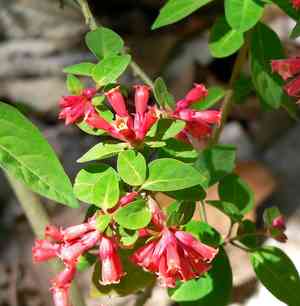
Early jessamine (Cestrum fasciculatum)
Also known as: Red Cestrum, Early Jessamine
Introducing the Moonflower (Ipomoea alba), a captivating addition to your garden that shines after dusk. Each evening, it unveils its stunning white blossoms, drawing in nocturnal moths with its alluring fragrance. While its nighttime beauty is undeniable, beware—every part of this plant is toxic if ingested. The Moonflower's blend of enchantment and danger makes it a unique presence in any garden.
In This Article
Attributes of Early jessamine
Lifespan
Perennial
Plant Type
Shrub
Plant Height
2 m
Spread
2 m
Leaf Color
Dark green
Flower Size
0.5 inches (1.2 centimeters)
Flower Color
Red
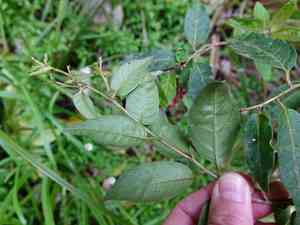
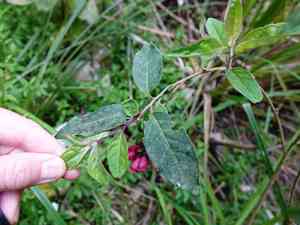
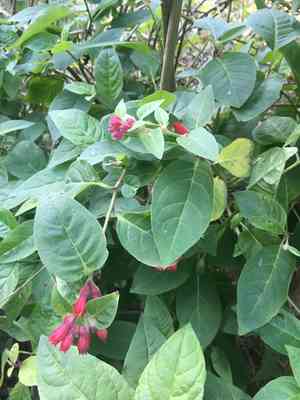
Images of Early jessamine
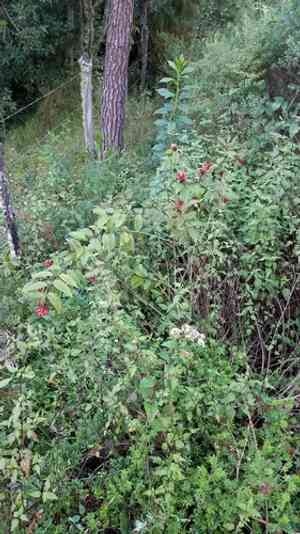
Quickly Identify Early jessamine
1
Identify Cestrum fasciculatum by its dense clusters of tubular red flowers, green lance-shaped leaves, and bushy growth habit. The plant can grow up to impressive heights, and its vibrant flowers bloom primarily during spring and summer.
Scientific Classification of Early jessamine
Phylum
Vascular plants
Class
Dicotyledons
Order
Solanales
Family
Nightshade
Genus
Cestrums
Species
Early jessamine
Planting and Growing of Early jessamine
Care Difficulty
Easy
Watering Schedule
Every 4 days
Sunlight Requirements
Partial sun
Sunshine Duration
4-8 hours
Ideal Temperature
60-75℉
Soil Type
Potting Mix, Peat Mix
Soil pH
6-7.5
Fertilizer Type
Balanced
Pruning Season
Spring, Summer
Pruning Area
Branches, Leaves
Pruning Frequency
2 times a year
Repotting Season
Spring
Pot Type
Plastic, Ceramic
 How to Water Early jessamine?
Cestrum fasciculatum prefers soil that is consistently moist but not soggy. This means watering until about 500ml of water has been absorbed and the soil feels damp to the touch without becoming waterlogged. The goal is to maintain a balance where the plant's roots can access moisture between watering intervals without being drowned.
What are the symptoms of an underwatered Early jessamine?
›
What should I do if my Early jessamine is not getting enough water?
›
What are the symptoms of an overwatered Early jessamine?
›
How to save an overwatered Early jessamine?
›
 What Are the Sunlight Requirements for Early jessamine?
Cestrum fasciculatum prefers partial to full sun, benefiting from 4-6 hours of sunlight daily. Adequate sunlight ensures prolific flowering and robust growth, while protecting from scorching enhances leaf health.
How much sunlight does Cestrum fasciculatum need?
›
Why is partial sun suitable for this plant?
›
How can I adjust its location for better light?
›
 What Is the Ideal Temperature Range for Early jessamine?
The ideal temperature range for Cestrum fasciculatum is between 60°F to 75°F. Maintaining temperatures within this range ensures optimal growth, healthy foliage, and vibrant flowering. Consistent access to these temperatures can boost the plant's metabolic processes and strengthen its immune response to pests and diseases.
 What Soil is Best for Early jessamine?
Cestrum fasciculatum thrives in well-draining soil, which prevents root rot and ensures healthy growth. Adequate drainage allows excess water to move away from the roots, reducing the risk of fungal infections that may hinder plant development. This plant prospers in moderately fertile soil, providing essential nutrients without overwhelming growth. Balanced nutrient availability supports lush foliage and vibrant blooms, vital for the plant's ornamental appeal. A soil pH between 6.0 and 7.5 is ideal for Cestrum fasciculatum, as it allows optimal nutrient absorption. Maintaining this pH range helps in sustaining vigorous plant health and bloom quality, making it crucial for successful cultivation.
 How to Fertilize Early jessamine?
For Cestrum fasciculatum, apply a balanced fertilizer at half the recommended concentration. Ensure the mixture is diluted to avoid any risk of fertilizer burn, which can damage the plant's roots and leaves.
 How to Prune Early jessamine?
Start by inspecting your Cestrum fasciculatum for dead or diseased branches. Use clean and sharp pruning shears to remove these first, cutting just above a healthy bud. Then, trim back any long, wayward branches to maintain a desirable shape and encourage a denser growth habit. Remove any crossing branches to prevent rubbing and potential damage. To enhance flower production in Cestrum fasciculatum, focus on cutting back the tips of branches just after flowering. This stimulates the plant to produce new growth, which is more likely to form buds. Make sure to cut back to a strong, outward-facing bud to ensure an attractive shape and healthy bloom formation.
More About Pruning Techniques→
 How to Propagate Early jessamine plant?
1
Choose a healthy stem that is free from any disease. The best cuttings come from semi-hardwood stems, usually new growth from the current season.
2
Cut a segment about 3-4 inches long. Remove the leaves from the bottom third of the stem to reduce moisture loss and stress on the cutting.
3
Dip the cut end in rooting hormone before planting it in a well-draining potting mix. Place in a warm location with indirect sunlight and maintain consistent moisture.
 How to Repot Early jessamine plant?
1
Cestrum fasciculatum needs repotting when you notice roots protruding from the drainage holes of the pot. Another sign is slow growth despite regular care. It's best to repot during the active growing season in Spring or Summer, when the plant can readily adapt to its new environment.
2
Choose a pot that is one size larger than the current one. Ensure it has good drainage to prevent waterlogging, which can cause root rot. The new pot must accommodate a slight increase in size to encourage healthy root growth while not being overly large, which can retain excess moisture.
3
Opt for a well-draining potting mix designed for tropical or flowering plants. This type of soil provides the necessary aeration and drainage, essential for healthy roots. It prevents compaction around the roots, which can lead to poor water and nutrient absorption.
Toxicity
ingestion
WARNING
The judgment on toxicity and danger is for reference only. We DO NOT GUARANTEE any accuracy of such judgment. Therefore, you SHALL NOT rely on such judgment. It is IMPORTANT TO SEEK PROFESSIONAL ADVICE in advance when necessary.



