How to Propagate Larkdaisy?
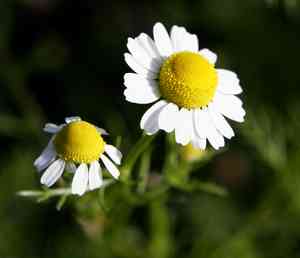
Larkdaisy flourishes most effectively when reproduced via cutting methods. Ensure the utilization of robust and developed stems for cuttings, favoring non-blooming shoots to achieve greater success. The stem segments should ideally measure between 4 and 6 inches in length. Insert these into a potting blend that drains efficiently, providing ample humidity and diffused light to encourage root formation. Consistent observation of moisture content will aid in superior root development.
Optimal Time for Larkdaisy Propagation
Propagation Method
Cutting
Propagation Period
Spring,Summer
Tools for Larkdaisy Propagation
Sharp Pruning Shears
These are vital for making clean cuts on larkdaisy stems. A precise cut helps prevent disease and promotes faster healing and rooting. Sharp shears ensure delicate stem tissues are not crushed, maintaining cutting health.
Rooting Hormone Powder
This product aids in root development for larkdaisy stem cuttings. Applying the powder to the fresh cut at the stem's base stimulates root growth, increasing propagation success rates.
Sterile Potting Mix
A sterile, well-draining potting medium offers an ideal environment for larkdaisy cutting root development. It reduces the risk of soil-borne diseases affecting new cuttings, which is critical during early root formation.
Small Pots or Propagation Trays
These containers are used for planting larkdaisy stem cuttings. They should provide sufficient depth for root growth while being small enough to maintain proper moisture levels. Good drainage is essential to prevent waterlogging and root rot.
Plastic Covers or Mini Greenhouses
These tools create a humid microclimate around larkdaisy cuttings, helping to maintain moisture and warmth, which are crucial for encouraging root growth. The cover should allow light to reach the cuttings while sustaining high humidity.
How to Propagate Larkdaisy?
Propagation Type
Easy
Caring for Your Newly Propagated Larkdaisy
Caring for Your Newly Propagated Larkdaisy
Once the larkdaisy cutting has rooted, gradually introduce it to normal conditions by removing the plastic cover and lowering humidity over a week. Transplant it to a larger pot or directly into the garden if the climate permits. Keep the soil moist, provide partial shade, and fertilize with a balanced feed every four to six weeks during the growing season. Prune occasionally to encourage bushier growth and deadhead spent flowers to promote more blooms.
Common Errors to Avoid When Propagating Larkdaisy
Overwatering
Excessive watering of larkdaisy during propagation can lead to root rot and fungal problems. This plant prefers well-drained soil, and too much moisture can stress it, hindering root development and potentially causing fungal diseases.
Deep Planting
Planting larkdaisy cuttings or seeds too deeply can be harmful. This can impede germination and growth due to insufficient access to light and oxygen, which are vital for the initial stages of root formation and shoot development.
Ignoring Light Requirements
Failure to provide adequate lighting when propagating larkdaisy indoors can result in weak, elongated growth. Larkdaisy needs ample light to ensure strong, compact development.
Neglecting Initial Care
Ignoring initial care, such as maintaining stable temperature and humidity, can negatively impact larkdaisy's propagation success. Initial conditions are crucial for effective rooting and growth.
Tips For Propagating Larkdaisy
Use Well-Drained Soil
For successful propagation, utilize a well-drained soil mix. This helps prevent moisture-related issues like root rot, which is vital for larkdaisy's health.
Proper Depth and Spacing
When sowing seeds or planting cuttings, ensure they are not too deep or too close together. Correct depth allows for adequate light exposure and root development, while appropriate spacing prevents competitive stress, promoting healthier growth.
Adequate Lighting
Ensure larkdaisy receives sufficient light, especially when propagated indoors. Adequate light is essential for photosynthesis, growth, and preventing etiolation (weak stretching towards light).
Monitor Moisture and Humidity
Maintain sufficient but not excessive moisture and moderate humidity around larkdaisy during the early propagation stages. This fosters a healthy rooting system without creating conditions favorable for fungal growth.



