How to Propagate Pearl millet?
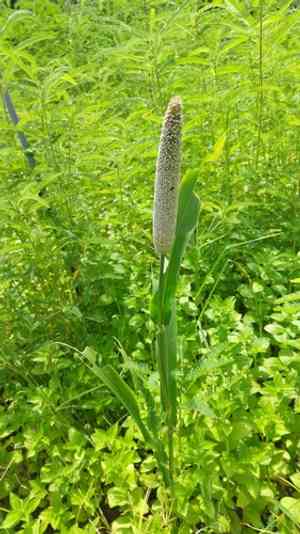
Pearl millet is generally propagated by planting seeds. To achieve successful growth, make sure to utilize soil that drains effectively and possesses average fertility. The seeds ought to be planted superficially, given their need for sufficient light to sprout. Consistent irrigation is vital until the plants are established, yet prevent excessive moisture, which can impede their progress. Reducing the number of seedlings can foster more robust growth and prevent them from becoming too dense.
When Is the Best Time to Propagate Pearl Millet?
Propagation Method
Seeding
Propagation Period
Spring
What Equipment Is Used in Pearl Millet Propagation?
Seed trays
Seed trays offer an organized area where pearl millet seeds can be uniformly planted and given sufficient room to sprout. Their shallow depth allows for easy monitoring of soil moisture, vital for pearl millet germination. This ensures seeds have ideal conditions for sprouting without being buried too deeply, which could impede their growth.
Fine vermiculite or perlite
These substances are used to cover pearl millet seeds after sowing, helping to retain moisture without compaction, which can hinder seed germination. Vermiculite or perlite also assists in maintaining a consistent temperature around the seeds, promoting a higher germination rate by providing a favorable microclimate.
Spray bottle or misting system
To maintain the delicate moisture balance required for pearl millet seeds without causing waterlogging, a spray bottle or misting system is crucial. Misting provides a gentle way to water seeds, preventing them from being dislodged from their growing medium, which is essential during the initial, fragile stages of germination.
Heating mat (optional)
For growers in cooler regions, a heating mat can be beneficial for stimulating pearl millet seed germination. They help maintain a consistent and appropriate soil temperature, improving the germination rate, especially in environments that don't naturally meet pearl millet's temperature needs.
Grow lights (optional)
If natural light levels are insufficient, grow lights can be employed to provide the necessary light spectrum to support the healthy development of pearl millet seedlings after germination. These lights help mimic the natural solar spectrum, enabling better growth and development during the plant's early stages.
How to Propagate Pearl Millet?
Propagation Difficulty
Simple
How to Care for Your Newly Propagated Pearl Millet?
How to Care for Your Newly Propagated Pearl Millet?
After propagation, pearl millet needs consistent watering, especially during dry periods, to keep the soil slightly moist. Ensure full sun exposure for optimal growth and development. Gradually reduce watering frequency as the plants become established. Fertilize lightly with a balanced fertilizer to encourage vigorous plant growth. Monitor for pests like aphids and mildew and manage them using appropriate organic methods.
Common Errors to Avoid When Propagating Pearl Millet
Insufficient soil preparation
Failing to adequately prepare the soil for pearl millet can lead to poor root development and reduced germination rates. Pearl millet thrives in well-draining, fertile soil, and neglecting soil quality can result in weak plants prone to diseases.
Excessive watering
Providing too much water to pearl millet during the initial propagation stages can cause seed rot or fungal growth. This error can significantly reduce germination success and overall plant vitality.
Inconsistent planting depth
Pearl millet seeds are sensitive to their sowing depth. Planting seeds too deep or too shallow can impact germination rates and seedling growth, making uniformity crucial.
Neglecting pest control
Pearl millet is vulnerable to pests like birds and insects during its early growth stages. Failing to implement protective measures such as netting or suitable insecticides can lead to substantial crop loss.
Advice for Propagating Pearl Millet
Proper soil preparation
Before sowing pearl millet seeds, enrich the soil with organic matter and ensure it is loose and well-aerated. This creates an ideal environment for root growth and nutrient absorption, essential for healthy propagation.
Controlled watering
Maintain a balanced moisture level in the soil when propagating pearl millet. Water enough to keep the soil moist but not waterlogged, supporting proper seed germination without risking fungal diseases.
Appropriate planting depth
Sow pearl millet seeds at a consistent depth of approximately 1 to 2 cm. Maintaining this depth helps achieve uniform germination and stronger seedlings, as it provides adequate soil coverage without hindering growth.
Pest management
Implement early pest control strategies when propagating pearl millet. Use bird netting and apply safe insecticides as preventive measures to protect young plants from pests and ensure healthy plant development.



