How to Propagate Papaya?
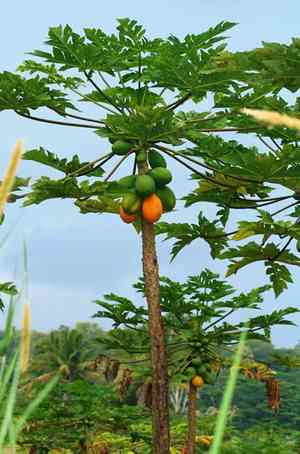
Papaya can be reproduced using grafting and layering methods during the colder periods of Spring and Winter. Its propagation is quite straightforward, with new growth and foliage signifying successful establishment. Maintain steady hydration for the best outcomes.
Optimal Timing for Papaya Propagation
Propagation Method
Grafting
Propagation Period
Spring,Winter
Essential Tools for Papaya Propagation
Grafting Knife
A sharp grafting knife is vital for making clean cuts on the scion and rootstock. This precision ensures close contact between the vascular tissues of papaya, boosting the likelihood of a successful graft union and reducing infection risk.
Pruning Shears
Pruning shears are utilized to trim papaya to the desired size prior to grafting and to remove any unwanted foliage, ensuring energy is directed towards the new graft's development.
Grafting Tape
This specialized tool is designed to securely yet gently hold the scion and rootstock together. It must be flexible and self-adhesive, aiding the healing process of papaya by maintaining a stable environment around the graft site.
Rootstock
A healthy rootstock is also considered a tool in this context. It serves as the base plant onto which the papaya scion will be grafted, chosen for its robust roots and disease resistance.
Disinfectant
Tool sterilization with disinfectant is crucial to prevent the spread of diseases in papaya. Ensuring the cleanliness of propagation tools is a key factor for successful grafting.
Post-Propagation Care for Your Papaya
Post-Propagation Care for Your Papaya
Following successful propagation, the grafted papaya requires sufficient watering, particularly in the initial weeks, to encourage root establishment and scion growth. It also needs full sun exposure and fertilization according to standard papaya care guidelines. As the papaya matures, pruning helps maintain a balanced structure and supports healthy fruit production. Protection against pests and diseases is also vital to ensure vigorous growth and fruiting of the papaya.
Common Errors to Avoid When Propagating Papaya
Overwatering
Excessive water can lead to root rot and fungal issues, weakening papaya seedlings and potentially causing their demise.
Planting seeds too deep
Deep seed placement might prevent papaya seedlings from reaching the surface and getting adequate sunlight, impeding their growth.
Neglecting light requirements
Insufficient light results in weak, leggy papaya seedlings, while too much direct sunlight can scorch young plants.
Overcrowding seedlings
Densely-packed papaya seedlings compete for nutrients and light, diminishing their overall growth potential and increasing the risk of disease transmission.
Ignoring seed freshness
Using old seeds can lead to low germination rates, compromising the propagation success of papaya.
Using unsterilized soil or containers
This can introduce pests or diseases to papaya seedlings, hindering their development and increasing mortality rates.
Tips for Propagating Papaya
Proper watering
Maintain consistently moist, well-draining soil for papaya seedlings to promote steady growth without risking waterlogging.
Seed depth
Plant papaya seeds at the appropriate depth, about 1-2 times the seed's diameter, to ensure adequate germination and access to light.
Adequate lighting
Place papaya seedlings in bright, indirect light to encourage strong and healthy growth without the risk of sunburn.
Spacing
Thin out papaya seedlings to give each plant ample space to develop, ensuring proper air circulation and reducing disease spread.
Fresh seeds
Use fresh, viable seeds for papaya propagation to maximize germination rates and ensure vigorous growth.
Sterilization
Employ sterilized soil and containers for papaya to prevent contamination by pathogens or pests, securing a healthy start for seedlings.



