How to Propagate Broad-leaf sedge?
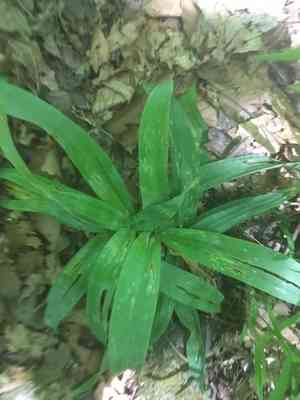
Broad-leaf sedge flourishes when multiplied via separation, a technique perfectly aligned with its developmental patterns. For propagation, gently divide the root ball in early spring or autumn, making sure every segment possesses sufficient roots and nascent stems. Immediately replant these separated portions into damp, adequately draining soil, preserving the initial planting depth. This approach fosters robust expansion and rejuvenation of broad-leaf sedge, improving both garden appearance and environmental equilibrium.
Optimal Period for Broad-leaf Sedge Propagation
Propagation Method
Division
Propagation Season
Spring,Autumn
Tools Required for Broad-leaf Sedge Propagation
Garden fork or spade
These implements are vital for carefully extracting broad-leaf sedge from the ground without harming its root system, which is key for successful division. The wide, flat surface of a spade or the tines of a fork are perfect for gently loosening the soil around broad-leaf sedge, minimizing root damage and simplifying the separation of the plant into smaller sections.
Sharp knife or secateurs
A keen knife or pruning shears are necessary to make clean cuts through the rhizomes or roots of broad-leaf sedge when dividing it into new plants. Precise cuts help deter disease and stress on the plant, encouraging faster recovery and successful establishment of the divisions. Select tools with stainless steel blades for longevity and cleanliness.
Gardening gloves
Wearing hand protection shields the propagator's hands from sharp roots and potentially harmful microorganisms in the soil. It also prevents any harm to the root structures of broad-leaf sedge by reducing direct contact and abrasion during handling.
Watering can with a gentle spray
Following the replanting of broad-leaf sedge divisions, thorough watering is essential to help settle the soil and eliminate air pockets. A watering can equipped with a gentle spray attachment ensures that water is distributed evenly and softly, preventing the displacement of soil around the newly planted divisions.
Rooting hormone (optional)
While not always mandatory, applying a rooting hormone to the cut surfaces of broad-leaf sedge's divisions can boost root development and enhance overall propagation success rates. This is especially beneficial if the divisions appear less robust or if propagation occurs under less-than-ideal conditions.
How to Propagate Broad-leaf Sedge?
Propagation Type
Easy
Caring for Your Newly Propagated Broad-leaf Sedge
Caring for Your Newly Propagated Broad-leaf Sedge?
Post-propagation, ensure broad-leaf sedge receives consistent watering, particularly during dry spells, to maintain soil moisture without waterlogging. Apply mulch around the plants to help retain soil moisture and suppress weeds. Fertilize with a balanced, slow-release fertilizer every early spring. Monitor for signs of pests or diseases and treat as needed. Broad-leaf sedge will benefit from some protection from intense midday sun, so ensure it continues to grow in suitable shady or partially shaded conditions.
Common Errors to Avoid When Propagating Broad-leaf Sedge
Overwatering
Excessive watering is a frequent mistake when propagating broad-leaf sedge. This plant species prefers well-drained soil, and too much moisture can lead to root rot or fungal infections, severely impacting plant health and reducing propagation success.
Deep planting
Planting broad-leaf sedge too deeply can impede its ability to establish and grow. This error can result in buried crowns, potentially leading to rot and poor root development.
Overcrowding
Crowding broad-leaf sedge's transplants or seedlings can limit their access to vital resources like light, nutrients, and air circulation, leading to weaker plants and increased susceptibility to disease.
Ignoring soil quality
Using substandard or inappropriate soil for broad-leaf sedge can hinder its growth. This species thrives in rich, organic, well-drained soils, and neglecting this requirement can result in poor establishment and growth.
Tips For Propagating Broad-leaf Sedge
Correct soil preparation
Prepare a soil mixture rich in organic matter with good drainage to support the healthy growth of broad-leaf sedge. This ensures the roots have an optimal environment for development and helps prevent diseases.
Appropriate planting depth
Ensure that broad-leaf sedge is planted at the correct depth. The crowns should be just at or slightly below the soil surface to promote proper growth and avoid issues associated with deep planting.
Adequate spacing
Maintain sufficient spacing between transplants or seedlings of broad-leaf sedge to ensure they have enough room to grow without competing for light, nutrients, and air. This supports healthier plants and more successful propagation.
Moderate watering
Water broad-leaf sedge moderately to maintain moist but not waterlogged soil. Consistent but controlled watering encourages strong root growth and helps prevent the issues associated with overwatering.



