How to Propagate Softleaf sedge?
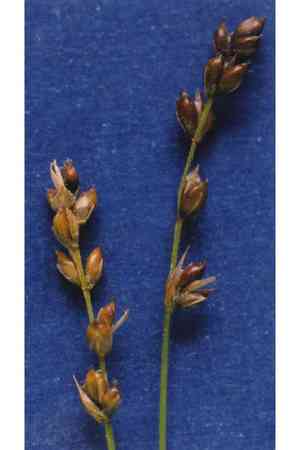
Carex flacca flourishes when multiplied by separation, an appropriate technique that guarantees robust development and preserves its distinctive traits. Delicately separating Carex flacca in the early spring enables the root systems to settle prior to the main growing season. Verify that each separated portion possesses ample roots and promptly re-establish it in damp, adequately draining soil. Consistent irrigation after transplanting aids in the acclimation of Carex flacca to its new surroundings, fostering energetic growth and strong vitality.
Optimal Period for Softleaf Sedge Propagation
Propagation Method
Splitting
Propagation Period
Spring,Autumn
Tools for Softleaf Sedge Propagation
Garden Spade
Primarily employed for excavating softleaf sedge clumps from the earth. Its flat, sharp blade is particularly effective for cutting through soil and root systems, ensuring clean divisions that minimize damage during separation.
Pruning Shears
Used to trim and shape the roots and foliage of softleaf sedge both before and after division. This ensures each separated portion has a balanced ratio of roots to shoots, vital for successful re-establishment and growth.
Watering Can with Fine Rose
Essential for gently irrigating softleaf sedge immediately after planting its divisions. The fine rose attachment helps distribute water evenly without disturbing the soil or harming delicate young roots.
Rooting Hormone (Optional)
While not always required, applying a rooting hormone to the cut surfaces of softleaf sedge divisions can encourage faster root development and improve the overall success rate of the propagation process.
Plant Labels and Marker
Important for tracking the propagated divisions of softleaf sedge. Proper labeling aids in monitoring the growth and health of each division, and marking ensures correct identification during subsequent care and planting.
How to Propagate Softleaf Sedge?
Propagation Type
Simple
Caring for Newly Propagated Softleaf Sedge
Caring for Newly Propagated Softleaf Sedge
Post-propagation, maintain consistently moist soil conditions as softleaf sedge thrives in damp environments. Avoid overly dry conditions and provide shade if planted in areas with intense sunlight. Regular checks for pests and diseases will ensure robust growth. Mulching can help retain soil moisture and supply nutrients as it breaks down.
Common Errors to Avoid When Propagating Softleaf Sedge
Excessive Watering
Overwatering can lead to root rot or fungal issues, significantly impacting softleaf sedge health. This species requires well-drained soil to flourish; too much moisture can be detrimental.
Too much sunlight
Softleaf sedge naturally thrives in shaded or partially shaded locations. Exposing softleaf sedge to full sun can cause leaf scorch and dehydration, stressing the plant and impeding its growth.
Using poor soil
Employing soil that lacks organic matter or has unsuitable pH levels can negatively affect the root development of softleaf sedge. This can diminish the plant's overall health and vigor, leading to unsuccessful propagation.
Tips For Propagating Softleaf Sedge
Division in early growth stages
Dividing softleaf sedge during its initial growth phases can promote better establishment and reduce transplant shock. This allows each section to develop strong roots and foliage.
Maintaining moisture levels
Ensuring the soil is consistently moist but not waterlogged is vital for successful softleaf sedge propagation. This balances providing necessary hydration without creating conditions conducive to fungal diseases.
Using rich, organic soil
Planting softleaf sedge in soil rich in organic matter supports healthy root development and nutrient absorption. Amend the soil with compost or peat moss to improve its structure and fertility.



