How to Propagate Seaside bittercress?
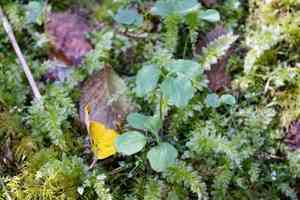
Cardamine parviflora flourishes in humid, littoral settings. To propagate, disperse seeds straight into damp, adequately draining earth, selecting a spot with full sun or partial shade. Gently blanket the seeds with soil and sustain constant moisture in the vicinity. For ideal germination, ensure the substrate is neither excessively arid nor saturated. Considering the plant's affinity for cooler weather, preserving temperate conditions will foster robust development.
Optimal Time for Seaside Bittercress Propagation
Propagation Method
Sowing
Propagation Period
Spring
Tools for Seaside Bittercress Propagation
Seed Tray
A seed tray is crucial for germinating seaside bittercress seeds. It offers a controlled setting for seed sprouting. Its shallow depth and broad surface ensure even seed distribution and optimal light and water access.
Sowing Compost
Sowing compost is a fine-textured medium that aids seed germination by providing proper drainage and vital nutrients. For seaside bittercress, using quality sowing compost can boost germination rates and seedling vigor.
Watering Can with Fine Rose
A watering can with a fine rose is perfect for watering newly sown seeds without dislodging them. Seaside bittercress seeds require consistent moisture for good germination, and a gentle spray helps maintain the correct moisture level without disturbing the seeds.
Humidity Dome
A humidity dome placed over the seed tray helps maintain high humidity, which is vital for seaside bittercress germination. It prevents seeds from drying out and creates a microenvironment that supports healthy growth.
Seed Labeling Sticks
Labeling sticks are important for marking the sowing date and plant type. Proper labeling helps track seaside bittercress seed progress and ensures different seed batches are easily identifiable.
Plastic Seed Flats
Plastic seed flats with drainage holes are useful for holding seed trays and preventing waterlogging. They allow excess water to drain, which is important for avoiding root rot in seaside bittercress seedlings.
How to Propagate Seaside Bittercress?
Propagation Type
Easy
Caring for Newly Propagated Seaside Bittercress
Caring for Newly Propagated Seaside Bittercress
Once seaside bittercress seedlings are established, move them to their permanent growing spot. Ensure the soil is consistently moist but drains well, and provide partial shade to mimic their natural environment. Regularly check for pests and diseases, and apply a balanced fertilizer monthly during the growing season to support healthy development. Mulching around the plant bases can help retain moisture and regulate soil temperature. Prune as needed to maintain shape and remove any dead or damaged foliage.
Common Propagation Mistakes for Seaside Bittercress
Overwatering
Excessive moisture can lead to root rot and fungal diseases, impeding plant growth.
Poor Soil Drainage
Using soil that retains too much water can cause similar issues to overwatering, including root rot.
Improper Light
Providing either too much direct sunlight or insufficient light can hinder growth and negatively impact plant health.
Neglecting Temperature Preferences
Exposing the plant to temperatures that are too high or too low can cause stress, leading to poor propagation success.
Inadequate Spacing
Planting too closely can lead to competition for nutrients and increased susceptibility to diseases.
Tips For Propagating Seaside Bittercress
Well-Draining Soil
Use soil that allows excess water to escape to prevent root rot and promote healthy root growth.
Moderate Watering
Water regularly but ensure the soil is not waterlogged. The soil should be moist but not wet.
Partial Shade Location
Place the plant in a location that receives dappled sunlight or partial shade to mimic its natural habitat.
Temperature Control
Maintain moderate temperatures and protect the plant from extreme heat or frost to ensure it thrives.
Sufficient Spacing
Space plants appropriately to allow for adequate air circulation, reducing the risk of disease.



