How to Propagate Happy tree?
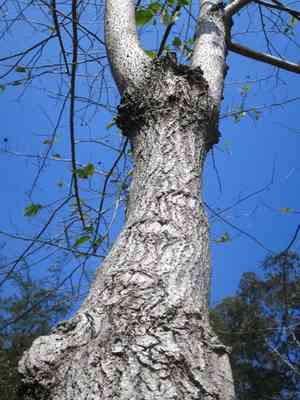
Hailing from China, the happy tree exhibits notable anticancer attributes, which have spurred interest in its propagation. For multiplying happy tree, utilizing cuttings is the favored technique, fostering root formation from established branches. Careful management throughout this procedure is essential for achieving a high rate of success. Sustaining a moist atmosphere for the cuttings assists in preventing dehydration. After rooting, delicate attention is paramount for the nascent happy tree, including careful irrigation and protection from powerful gusts to facilitate their integration into their final growing spot.
Optimal Time for Happy Tree Propagation
Propagation Method
Cutting
Propagation Period
Autumn,Winter
Tools for Happy Tree Propagation
Sharp Pruning Shears
These are vital for making clean, precise cuts from happy tree. Sharp blades minimize damage to the parent plant, encouraging faster healing. For happy tree, a clean cut is crucial to prevent infection and promote successful rooting.
Rooting Hormone Powder
This assists in accelerating root development from happy tree cuttings. When applied to the freshly cut stem, rooting hormone significantly boosts the chances of cuttings taking root, which is especially important for happy tree, known for moderate rooting challenges.
Sterile Potting Mix
A well-draining, sterile potting mix offers an ideal environment for happy tree cuttings to root. The mix's sterility prevents pathogen growth that could harm vulnerable cuttings, while proper drainage supports critical moisture balance for root establishment.
Propagation Trays
These trays are used to organize and maintain happy tree cuttings in a controlled environment. They help in sustaining adequate humidity and temperature, crucial factors for the rooting success of plant cuttings.
Plastic Dome or Cover
Covers or domes placed over propagation trays create a greenhouse-like environment with high humidity, which benefits happy tree cuttings. Maintaining high humidity around the cuttings helps prevent them from drying out before they establish roots.
How to Propagate Happy Tree?
Propagation Difficulty
Moderately Difficult
Caring for Your Newly Propagated Happy Tree
Caring for Your Newly Propagated Happy Tree?
Once the happy tree cutting has established roots, typically after several weeks, gradually acclimate it to less humid conditions by removing the plastic cover for increasing durations. When new growth appears, it signifies successful rooting, and the happy tree can be transplanted to a larger container using a mix suitable for mature plants. Provide it with a partially shaded to full sun location, consistent watering to keep the soil moist but not waterlogged, and protection from harsh conditions. As the happy tree matures, regular pruning will help maintain its shape and health, and it should be monitored for pests and diseases. Fertilize during the growing season with a balanced fertilizer to support its growth.
Common Mistakes to Avoid When Propagating Happy Tree
Overwatering cuttings
Excessive watering can lead to rooting problems for happy tree because the waterlogged medium may cause rot in the cuttings before they establish.
Using non-sterile tools
Propagation requires sterile equipment to prevent disease transmission. Introducing pathogens to happy tree cuttings can hinder growth or cause death.
Ignoring humidity needs
Happy tree cuttings need consistent humidity levels to root successfully. Fluctuating or insufficient humidity can result in desiccation and poor root development.
Planting cuttings too deeply
Placing happy tree cuttings too far down in the propagation medium can lead to reduced oxygen availability, which is vital for root formation and health.
Neglecting aftercare
Once happy tree cuttings have been propagated, they still require attention. Failure to gradually acclimate the plants to less protected environments can lead to shock or death.
Tips For Propagating Happy Tree
Moderate watering
Regular but moderate watering encourages healthy root growth without the risk of rot, achieving a balance for happy tree's moisture needs.
Sterilize equipment
Using sterilized cutting tools and pots helps minimize disease risk and ensures a healthy start for happy tree cuttings.
Maintain humidity
Utilizing a misting system or humidity dome helps create the correct humidity level, essential for happy tree rooting.
Proper planting depth
Planting happy tree cuttings at the correct depth ensures adequate oxygen for root development and increases propagation success rates.
Gradual acclimatization
Slowly introducing happy tree to new conditions post-propagation helps the plants adjust without experiencing stress or shock.



