How to Propagate Angel wings?
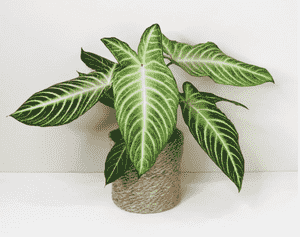
Angel wings is a lively tropical perennial that flourishes in damp, well-drained substrate and diffused illumination. The most efficient method to multiply angel wings is by splitting its tubers when transplanting. Gently detach the tubers, making sure every piece possesses at least one budding point. Embed these segments in appropriate potting mix and sustain elevated humidity and steady dampness without oversaturation to foster root formation and fresh shoots.
Optimal Time for Angel Wings Propagation
Propagation Method
Utilize The Tubers
Propagation Period
Spring
Tools Required for Angel Wings Propagation
Sharp, sterilized knife or scalpel
This instrument is vital for making clean cuts on angel wings tubers. A keen edge ensures a precise incision, minimizing plant tissue damage, which lowers infection risk and promotes healthier regrowth. Sterilization is crucial to prevent pathogen spread.
Rooting hormone powder or gel
Applying rooting hormone enhances the likelihood of successful root formation from cut angel wings tubers. This substance stimulates root development, leading to a stronger root system, essential for the new plants' viability.
Plant pots or trays with drainage holes
After preparing the tubers, they should be placed in suitable containers that allow proper drainage. This prevents waterlogging, which can cause rot and fungal diseases detrimental to angel wings.
Well-draining potting mix
The soil choice is important for angel wings' health. A well-draining potting mix ensures excess water drains away while retaining sufficient moisture to support the newly developing plants.
Heat mat (optional)
Depending on environmental conditions, a heat mat can be beneficial for maintaining an ideal temperature around the angel wings rooting area. This can boost the growth rate and overall success of the propagation process.
Caring for Your Newly Propagated Angel Wings
Caring for Your Newly Propagated Angel Wings
Once new angel wings shoots have grown into healthy plants, ensure they are placed in a spot with bright, indirect light. Continue regular watering, allowing the topsoil to dry slightly between waterings. Maintain high humidity and fertilize with a balanced feed during the growing season. Protect from cold drafts and temperatures below 60°F. Repot when the plant outgrows its current container, typically every two years.
Common Errors to Avoid When Propagating Angel Wings
Overwatering
Excessive water can lead to rot, especially during the delicate root development stage in angel wings. Too much moisture creates an environment favorable for fungal growth and can kill new roots.
Using Poor Soil Mix
An unsuitable soil mix lacking proper drainage and aeration can cause problems similar to overwatering, and can hinder angel wings from establishing a healthy root system.
Excessive Fertilization
Applying too much fertilizer can result in root burn and can impede the rooting process of angel wings, as the tender new roots may be overwhelmed by the strong chemical concentration.
Inadequate Humidity
Cuttings or divisions often require higher humidity than mature angel wings to encourage root growth. Neglecting this can lead to desiccation and poor root development.
Advice for Propagating Angel Wings
Use a Sterile Medium
Ensure the use of a sterile potting mix that promotes good drainage and aeration to support the initial stages of angel wings root growth without introducing pathogens.
Maintain Optimal Moisture
Balance moisture levels by keeping the soil consistently damp but not waterlogged to provide angel wings with the right environment for root development.
Propagate from Healthy Donor Plants
Select robust and disease-free specimens of angel wings as propagation donors to increase the likelihood of successful propagation.
Provide Indirect Light
Expose angel wings to bright, indirect light to encourage growth without the risk of scorching the delicate new growth, which direct sunlight can cause.



