How to Propagate Jelly palm?
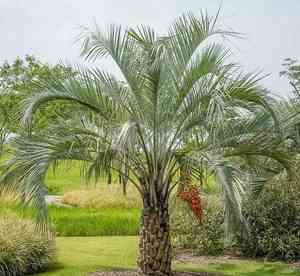
The most effective method for propagating Jelly palm involves planting seeds in the springtime. This procedure can present a moderate challenge, yet successful outcomes are evident through the appearance of young sprouts and robust root development. During the propagation phase, guarantee adequate hydration and warmth to achieve the best results.
Optimal Period for Jelly Palm Propagation
Propagation Method
Seeding
Propagation Period
Spring
Essential Tools for Jelly Palm Propagation
Seed tray with domed lid
A seed tray featuring a clear domed cover establishes a miniature greenhouse environment, aiding in the preservation of humidity and warmth around jelly palm seeds, thereby promoting superior germination rates.
Perlite or vermiculite
These substances enhance air circulation and drainage within the growing medium, which is vital for jelly palm seeds to prevent waterlogging and root decay.
Heat mat
A heat mat delivers consistent warmth from below, which is advantageous for jelly palm seeds, as it can stimulate quicker and more uniform germination in cooler climates.
Watering can with a fine rose
This implement is utilized to gently irrigate jelly palm seeds without dislodging them, guaranteeing an even distribution of moisture necessary for seed sprouting.
Sterilized potting mix
Employing a sterile potting mix diminishes the likelihood of soil-borne pathogens that could harm jelly palm seeds during their germination and initial growth phases.
Label and marker
Labels inscribed with a waterproof marker are crucial for documenting the sowing date of jelly palm seeds and for tracking various batches or species, ensuring accurate identification and care throughout germination and development.
How to Propagate Jelly Palm?
Propagation Type
Sowing
Difficulty Level
Easy
Caring for Your Newly Propagated Jelly Palm
Caring for Your Newly Propagated Jelly Palm?
Following jelly palm propagation, the young plants will require attention to ensure robust development. Position the pots in a spot receiving bright, indirect light and shielded from harsh conditions. Water when the soil feels dry to the touch, but be careful not to overwater. Fertilize the jelly palm with a balanced, slow-release palm fertilizer during the active growth period to encourage strong development. Gradually introduce the young palms to outdoor conditions if they are to be planted in the landscape. Once established in their permanent location, jelly palm will need protection from extreme cold and can benefit from mulching to maintain soil moisture and temperature.
Common Errors to Avoid When Propagating Jelly Palm
Overwatering
When attempting to propagate jelly palm from seeds or offshoots, gardeners might tend to excessively water the soil, leading to saturated conditions that can cause rot and fungal diseases. This overly moist environment is particularly harmful to jelly palm's health, as it is a species that prefers well-draining conditions.
Using inadequate soil mix
Jelly palm necessitates well-draining soil to flourish. Utilizing a dense, clay-rich soil mix can retain too much moisture, resulting in root rot. This can severely impact jelly palm's root development during propagation.
Planting seeds too deep
Jelly palm seeds should not be sown too deeply into the substrate, as this can impede germination. Deeply planted seeds may not receive sufficient light and air to sprout effectively, reducing the germination rate.
Ignoring pest control
During propagation, jelly palm is susceptible to pests such as spider mites and scale insects. Neglecting pest management can lead to infestations that harm young plants and hinder their growth.
Improper use of fertilizer
Excessive application of fertilizer when propagating jelly palm can burn the roots and stress young plants. A lack of understanding regarding the correct fertilizer type and quantity can result in poor plant health.
Advice for Propagating Jelly Palm
Adequate soil preparation
Prior to sowing seeds or planting offshoots, prepare a well-draining soil mix with components like sand and perlite. This ensures proper drainage and aeration, vital for jelly palm's root system development.
Correct seed sowing depth
Sow jelly palm seeds just beneath the soil surface and lightly cover with soil or vermiculite. This shallow planting allows seeds to receive ample light and air, boosting germination rates.
Gentle watering practice
Water the propagating jelly palm gently and maintain consistent moisture without making the soil soggy. Use a misting bottle or a watering can with a fine rose to control the amount of water delivered.
Pest monitoring and management
Regularly check for signs of pests on propagating jelly palm and manage infestations promptly. Use organic pest control methods or horticultural oils that are safe for young plants.
Balanced fertilization
Apply a balanced, slow-release fertilizer to jelly palm only after initial establishment. Ensure the fertilizer is diluted to an appropriate strength to avoid root burn and other stress-related issues.



