How to Propagate Chinese mustard?
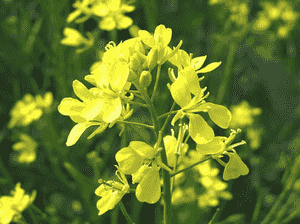
Chinese mustard is primarily propagated through sowing in Spring. The process is relatively easy, with germination success indicated by emerging seedlings. Ensure optimal soil moisture and temperatures for improved results.
What Is the Best Time To Propagate Chinese Mustard?
Propagation Type
Sowing
Propagation Season
Spring
What Tools Are Used in Chinese Mustard Propagation?
Seedling trays
Provide an organized medium to sow seeds. They allow proper spacing, which promotes good air circulation and reduces disease risk for chinese mustard.
Seed starting mix
Ensures optimal drainage and aeration, contributing to the successful germination of chinese mustard. The mix is sterile, preventing soil-borne diseases.
Fine mist spray bottle
Delivers gentle watering that doesn't displace the small seeds of chinese mustard. It ensures the soil is moist, a crucial factor for seed germination.
Dibber or seed sower
Enables accurate and consistent sowing depth for chinese mustard seeds, which is important for uniform germination rates.
Heat mats
Provides consistent warmth to the seedling trays, aiding germination, especially if chinese mustard seeds are started in cooler conditions.
Grow lights
Supplement natural light, ensuring chinese mustard seedlings receive the proper intensity and spectrum of light they need for healthy growth.
Plastic domes or covers
Help maintain high humidity levels around chinese mustard seedlings, which is beneficial for initial growth stages and prevents moisture loss.
Tweezers
Facilitate careful handling of chinese mustard seeds, especially if thinning is required, to avoid damage to delicate roots or stems during transplanting.
How to Propagate Chinese Mustard?
Propagation Type
Sowing
Difficulty Level
Easy
How to Care for Your Newly Propagated Chinese Mustard?
How to Care for Your Newly Propagated Chinese Mustard?
After propagation, continue to keep the soil around chinese mustard moist but not waterlogged. Fertilize with a balanced vegetable plant food according to product instructions. As chinese mustard grows, use mulch to help retain soil moisture and control weeds. Protect chinese mustard from extreme temperatures with row covers if necessary. Harvest leaves when they're young and tender for optimal flavor, usually around 4 to 6 weeks after sowing, depending on the growth rate. Ensure good air circulation around chinese mustard to prevent fungal diseases. Rotate crops every few years to prevent soil-borne diseases and to maintain soil health.
Common Mistakes to Avoid When Propagating Chinese Mustard
Over-watering
Over-watering can lead to a lack of oxygen in the soil, causing root rot and other fungal diseases which compromise chinese mustard's health.
Planting depth
Sowing chinese mustard seeds too deeply can prevent germination or cause seedlings to expend all their energy reaching the surface, leading to weak plants.
Ignoring spacing needs
Overcrowding chinese mustard can result in poor air circulation and light penetration, increasing susceptibility to pests and diseases.
Neglecting soil quality
Using poor or unamended soil can limit chinese mustard's growth, as it may lack necessary nutrients or have poor drainage.
Overlooking pests
Failing to monitor for common pests like aphids and flea beetles can lead to significant damage to chinese mustard as they proliferate quickly.
Tips For Propagating Chinese Mustard
Soil moisture balance
Maintaining a moist but not waterlogged soil is crucial for chinese mustard's germination and growth.
Appropriate planting depth
Sowing chinese mustard seeds at the right depth, typically no more than 1/2 inch deep, helps ensure successful germination.
Adequate spacing
Providing sufficient space between chinese mustard plants allows for healthier growth and better access to nutrients, sunlight, and air.
Soil enrichment
Enriching the soil with compost or a balanced fertilizer ensures that chinese mustard has access to essential nutrients for optimal growth.
Pest monitoring
Regularly checking chinese mustard for pests and managing infestations early can help prevent widespread damage to the plants.



