How to Propagate Side-Oats Grama?
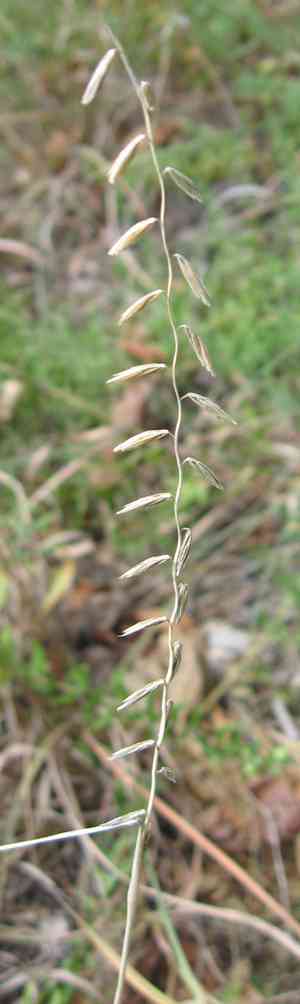
Bouteloua curtipendula flourishes when reproduced through separation, a technique highly compatible with its developmental patterns. Cultivators ought to meticulously divide the root mass, making certain that every fresh segment possesses sufficient roots. This approach facilitates efficient dissemination and revitalization of Bouteloua curtipendula, preserving its vitality and strength. Immediately place the separated portions into soil that drains effectively and ensure they receive ample moisture to foster vigorous new development.
Optimal Time for Side-oats Grama Propagation?
Propagation Method
Division
Propagation Period
Spring,Autumn
Tools for Side-oats Grama Propagation?
Garden Spade or Trowel
Utilized for excavating and separating the root masses of side-Oats Grama . A sharp, sturdy spade or trowel is vital for cleanly cutting through soil and roots, minimizing plant damage during division. This tool ensures each section has adequate roots to flourish when replanted.
Rooting Hormone Powder
Aids in boosting root development on new side-Oats Grama divisions. Applying rooting hormone to fresh cuts encourages quicker, healthier root formation, helping divisions recover and establish more successfully in new locations.
Watering Can or Hose with a Gentle Spray Setting
Ensures side-Oats Grama divisions receive proper hydration immediately after planting, which is key for stimulating root growth. A gentle spray setting reduces soil erosion around new plantings and provides a mild, even water distribution.
Pruning Shears
Employed for trimming any excessively long roots or foliage that might drain the plant's energy in the initial stages post-division. Sharp, clean pruning shears facilitate precise cuts, promoting better health and growth after transplantation.
Garden Fork
Perfect for loosening the soil around side-Oats Grama before lifting clumps for division. This tool lessens the force needed to extract the plant, thereby preserving root structure and reducing stress during division.
How to Propagate Side-oats Grama ?
Propagation Type
Easy
How to Care for Your Newly Propagated Side-oats Grama ?
How to Care for Your Newly Propagated Side-oats Grama ?
Side-Oats Grama is a resilient, low-maintenance grass needing minimal attention once established. It tolerates drought but benefits from occasional watering during extended dry spells. It thrives in full sun and prefers well-drained soils. Annual trimming in late winter helps maintain vigor and appearance. Monitor for common pests like aphids, though side-Oats Grama typically encounters few serious pest or disease issues.
Common Mistakes to Avoid When Propagating Side-oats Grama
Insufficient seed scarification
Side-Oats Grama seeds possess a tough outer layer, which can hinder water absorption and germination if not properly scarified. Inadequate seed scarification can result in low germination rates, delaying or preventing successful propagation.
Planting in compact soil
Side-Oats Grama flourishes in well-draining soil. Planting in dense or heavy soil can restrict root growth, impede water drainage, and potentially lead to root rot, severely impacting plant health and survival.
Overwatering
During side-Oats Grama establishment, balanced watering is crucial. Excessive watering can lead to waterlogged conditions, fostering fungal diseases and root decay, which are detrimental to the plant's growth and overall vitality.
Tips For Propagating Side-oats Grama
Scarify seeds
To encourage better water absorption and boost germination rates, scarify side-Oats Grama seeds before sowing. This can be done mechanically or by soaking seeds in water for 24 hours to soften the hard outer shell.
Use loose well draining soil
Ensure the use of a loose, well-draining soil mix when propagating side-Oats Grama . This promotes root development and prevents issues like waterlogging, which can be fatal to the plant's establishment.
Moderate watering
Maintain a balanced watering regimen when propagating side-Oats Grama . Water sufficiently to keep the soil moist but not saturated, especially during critical germination and early growth phases. This prevents overwatering problems and supports healthy plant development.



