How to Propagate Yellow Birch?
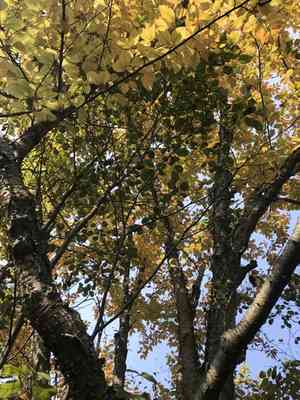
Yellow Birch can be reproduced via dormant stem sections, air layering, and planting seeds during the fall and winter seasons. The level of propagation challenge is average, with indicators of successful reproduction being robust development and the formation of root systems. Essential advice involves applying rooting stimulant for hardwood cuttings and guaranteeing adequate drainage for seeds.
Optimal Time for Yellow Birch Propagation
Propagation Method
Cutting
Propagation Period
Autumn,Winter
Tools for Yellow Birch Propagation
Sharp Pruning Shears
Pruning shears are vital for obtaining clean, precise cuttings from yellow Birch. Their sharp blades ensure a smooth cut, minimizing harm to both the parent plant and the cutting, which is key for successful healing and rooting of the new plant.
Rooting Hormone
Applying rooting hormone to the cut end of yellow Birch cuttings can significantly boost the chances of root development. This substance encourages root growth and helps protect the cutting from diseases and decay as it establishes its root system.
Sterile Potting Mix
A sterile potting mix offers a clean, controlled environment for yellow Birch cuttings to root. The absence of pathogens in the mix prevents disease transmission, giving the cuttings the best possible start.
Propagation Trays
Propagation trays are designed to hold multiple yellow Birch cuttings in an organized fashion. They often feature domes that maintain high humidity around the cuttings, replicating the moist, sheltered conditions yellow Birch needs for successful root development.
Heat Mat
A heat mat gently warms the soil in the propagation tray, promoting faster root growth in yellow Birch cuttings. Consistent warmth is especially beneficial for this temperate species, which may struggle to root in cooler conditions.
Misting Bottle
A misting bottle helps maintain the necessary humidity around yellow Birch cuttings without over-saturating the soil. Regular misting can prevent delicate new growth from drying out during the crucial early stages of establishment.
Grow Lights
Grow lights can supplement natural light, providing the full spectrum of light required for yellow Birch cuttings to produce energy for root development. This is particularly advantageous when propagating indoors or in areas with limited daylight.
Caring for Your Newly Propagated Yellow Birch
Caring for Your Newly Propagated Yellow Birch
Once roots are established, gradually introduce yellow Birch to outdoor conditions if grown indoors. Plant in well-drained, slightly acidic soil with full sun to partial shade. Apply mulch to retain soil moisture and safeguard young roots. Water regularly during dry spells and shield from strong winds.
Common Errors to Avoid When Propagating Yellow Birch
Inadequate soil preparation
Using unsuitable soil conditions can hinder yellow Birch's root development, as yellow Birch requires well-draining soil with appropriate acidity. Failing to match soil conditions with yellow Birch's natural habitat can lead to poor root establishment and growth.
Overwatering
Since yellow Birch is accustomed to specific moisture levels, excessive watering can lead to root rot and fungal diseases. It's crucial to maintain a balance that mimics yellow Birch's native environment.
Ignoring root space
Planting yellow Birch in an overly confined space can restrict root growth, which is essential for nutrient and water uptake. Without adequate space, yellow Birch's growth can be stunted.
Neglecting hygiene
Using contaminated tools or medium during propagation can introduce pathogens. This error can compromise yellow Birch's health, leading to diseases or poor growth.
Advice for Propagating Yellow Birch
Cutting selection
Select healthy, robust cuttings from yellow Birch for propagation, as they have a higher chance of rooting and growing successfully.
Rooting hormone use
Applying the correct rooting hormone can stimulate root growth in yellow Birch cuttings, improving the likelihood of successful propagation.
Stratification
Since yellow Birch seeds need exposure to cold temperatures to break dormancy, simulating winter conditions through stratification can enhance germination rates.
Moisture control
Maintaining consistent moisture levels that reflect yellow Birch's natural environment will support cutting or seedling establishment without causing waterlogged conditions.



