How to Propagate Beet?
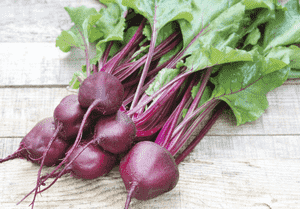
Beet is generally propagated by planting seeds in the springtime, presenting a moderate level of challenge. The appearance of seedlings signifies successful propagation. To achieve the best outcomes, ensure steady soil dampness and warmth throughout the germination phase.
Optimal Time for Beet Propagation
Propagation Method
Seeding
Propagation Period
Spring
Tools for Beet Propagation
Seed trays or flats
Seed trays offer an organized area for planting beet seeds, ensuring even distribution and ample space for initial root growth. Their compact design is perfect for starting numerous beet seedlings in a confined area. They can also be paired with heating mats to maintain ideal soil temperature for sprouting.
Peat pots
Peat pots are biodegradable containers well-suited for beet seedlings, as they minimize root disturbance during transplanting. These pots can be directly placed into the soil, promoting healthy root expansion without the risk of transplant shock, which is vital for the delicate root system of beet.
Quality soil mix
A well-drained and nutrient-rich soil blend provides essential support for beet seed germination and development. The correct mix will ensure proper moisture retention while preventing waterlogging, which can be harmful to beet seedling growth.
Watering can with a fine rose
A watering can fitted with a fine rose attachment allows for gentle water application, preventing soil erosion and seed displacement, which is critical during the tender early stages of beet seedling development.
Clear plastic dome or cover
A clear plastic dome or protective covering helps maintain high humidity and stable temperatures around beet seeds, which encourages faster germination and shields seedlings from external factors like pests and drafts.
Labels and markers
Using labels and markers is important for tracking beet varieties and planting dates. Organization is key during the propagation phase to ensure proper care and monitoring as beet seedlings mature.
Heating mat
A heating mat can be used to gently warm the soil, which may accelerate the germination of beet seeds, especially in cooler conditions. Maintaining a consistent soil temperature is crucial for successful beet seedling establishment.
How to Propagate Beet
Propagation Type
Sowing
Difficulty Level
Easy
Caring for Newly Propagated Beet
Caring for Newly Propagated Beet
After propagation, continue to irrigate beet regularly to maintain consistent soil moisture. Apply mulch around the plants to conserve moisture and regulate soil temperature. Fertilize sparingly if growth appears slow or foliage is pale. Harvest beet when the roots reach a usable size, typically around 7 to 8 weeks after planting, depending on the variety. Continue to monitor for pests and diseases, and manage weeds to reduce competition for nutrients and water.
Common Mistakes to Avoid When Propagating Beet
Overwatering
Excessive watering can lead to root rot or fungal diseases in beet. It's vital to maintain a balance, as saturated soil lacks sufficient oxygen, resulting in poor root health and a reduced chance of successful propagation.
Planting depth
Planting beet seeds too deeply may hinder germination due to insufficient light or aeration. Conversely, seeds not planted deep enough might be dislodged or fail to develop a strong root system.
Ignoring soil ph
Beet thrives in a slightly acidic to neutral soil pH (6.0â7.5). Planting in soil outside this range can lead to poor nutrient absorption and suboptimal growth.
High density
Overcrowding beet seeds can result in competition for resources and impede proper root expansion. This negatively impacts overall plant health and reduces the likelihood of successful propagation.
Tips For Propagating Beet
Pre-sowing treatment
Soaking beet seeds for a few hours before planting can soften the seed coat and improve germination rates. It is important not to exceed soaking times, as this can lead to seed deterioration.
Soil preparation
Loosen the soil and ensure good aeration before planting beet. This helps the roots penetrate the soil easily and access necessary nutrients.
Watering technique
Use a fine mist to water beet seeds after sowing to keep them moist without causing soil erosion or displacing the seeds. Water consistently but ensure the soil is well-drained to avoid overwatering.
Thin seedlings
Once beet seedlings develop a few true leaves, thin them out to prevent overcrowding. This allows the strongest plants to have enough space and resources to grow robustly.



