How to Propagate Brazil nut?
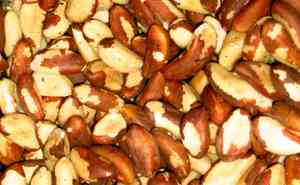
Hardy and prized for its nutritious kernels, brazil nut is primarily reproduced via seeds, as its intricate pollination mechanism is challenging to replicate beyond its natural environment. Nevertheless, seasoned horticulturists might try propagating it using cuttings, making sure the cuttings originate from robust, pathogen-free specimens. Cuttings ought to possess multiple leaf nodes and be situated in adequately draining, rich soil with elevated humidity and diffused illumination, mimicking the brazil nut's indigenous rainforest setting. Rooting stimulant can enhance the likelihood of successful propagation.
What Is the Best Time To Propagate Brazil Nut?
Propagation Type
Cutting
Propagation Season
Autumn,Winter
What Tools Are Used in Brazil Nut Propagation?
Sharp Pruning Shears
Crucial for making clean, precise cuts on brazil nut stem cuttings, sharp pruning shears help minimize tissue damage, boosting successful rooting. Sterilize them before use to prevent disease spread that could harm cutting health and viability.
Rooting Hormone Powder or Gel
When propagating brazil nut via cuttings, applying a rooting hormone significantly enhances root development. This product stimulates root growth at the cut site, vital for the new plant's establishment, and protects the cutting from fungal infections during the vulnerable rooting phase.
Sterile Potting Mix
For successful brazil nut propagation, a sterile, light, and well-draining potting mix is recommended. This medium offers essential support and aeration for new roots, reducing root rot risk and ensuring the plant's overall health during initial growth.
Humidity Dome or Plastic Cover
Maintaining high humidity is crucial for brazil nut cuttings. A humidity dome or simple plastic cover over the container keeps moisture levels high and stable, preventing delicate cuttings from drying out before new roots can establish.
Heat Mat
Providing consistent, gentle bottom heat can greatly improve rooting success for brazil nut cuttings. A heat mat ensures ideal soil temperature, promoting healthy root growth, especially in cooler climates or during less sunny periods.
How to Propagate Brazil Nut?
Propagation Type
Moderately Difficult
How to Care for Your Newly Propagated Brazil Nut?
How to Care for Your Newly Propagated Brazil Nut?
Post-propagation, maintain a consistent watering schedule, letting the soil dry slightly between waterings. Brazil nut thrives in humid conditions with indirect sunlight or partial shade. Apply a balanced, slow-release fertilizer every six months for healthy growth. As seedlings mature, regular pruning helps maintain plant health and structure. Given that brazil nut grows into a large tree, ensure ample space for both height and root expansion.
Common Mistakes to Avoid When Propagating Brazil Nut
Not Providing Adequate Soil Drainage
Using soil that holds too much water can cause root rot in brazil nut, which prefers well-drained soil conditions.
Incorrect Moisture Levels
Both excessive and insufficient watering can negatively impact brazil nut's seed germination and growth. Overwatering may lead to fungal issues, while underwatering can dry out the seed, hindering its ability to sprout.
Overlooking Seed Stratification
Brazil nut seeds require a cold stratification period for successful germination. Skipping this step can result in low germination rates.
Planting Seeds Too Deep
Brazil nut seeds should not be planted too deeply as they need sufficient light for germination. Planting them too deep makes it difficult for the seedling to emerge.
Ignoring Proper Spacing
Inadequate spacing between planted brazil nut seeds can lead to competition for resources, potentially resulting in weaker plants due to reduced light and nutrient availability.
Tips For Propagating Brazil Nut
Use Well-Drained Soil
Brazil nut needs soil that allows excess water to drain while retaining enough moisture to nourish the plant. A sand and organic matter mix can promote good root health.
Moderate Watering
Maintaining balanced soil moisture is crucial for brazil nut. Water the soil to keep it moist but not waterlogged, allowing the surface to dry slightly between waterings.
Stratify Seeds Before Sowing
To mimic natural conditions and break dormancy, stratify brazil nut seeds by exposing them to a cold period before planting. This can help increase germination rates.
Sow Seeds at Optimal Depth
Sow brazil nut seeds just below the soil surface, ensuring they are lightly covered. This allows them to access sufficient light while maintaining soil contact for moisture uptake.
Allow Adequate Space
Each brazil nut seed should be planted with enough space to grow without obstruction. This ensures each plant receives ample sunlight, air circulation, and nutrients for healthy development.



