How to Propagate Amur barberry?
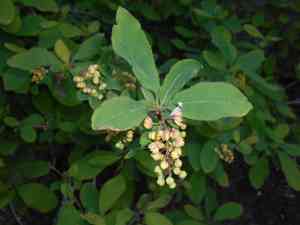
Berberis amurensis, a deciduous shrub, is recognized for its appealing leaves and bright crimson fruits. Effective propagation is accomplished using semi-hardwood cuttings. Confirm that cuttings originate from robust, pathogen-free specimens, ideally collected in the morning when cellular turgidity is elevated. Employ a rooting stimulant to foster root formation, and insert cuttings into a porous substrate, maintaining consistent moisture without oversaturation.
Optimal Period for Amur Barberry Propagation
Propagation Method
Cutting
Propagation Season
Autumn,Winter
Tools Required for Amur Barberry Propagation
Pruning Shears
Utilized for taking healthy cuttings from amur barberry. Ensure blades are sharp and clean for precise cuts, preventing harm to the parent plant or cuttings.
Rooting Hormone
Applied to the cut end of the cutting to stimulate root growth in amur barberry. It boosts the success rate of root formation, especially crucial for hardwood cuttings.
Propagation Trays
Contain the cuttings in a controlled setting that maintains moisture and offers sufficient support for amur barberry as roots develop. Often include a clear lid to create a mini greenhouse effect.
Heating Mat
Positioned beneath the propagation tray to provide consistent warmth from below. It helps maintain the ideal soil temperature, encouraging faster root development for amur barberry.
Grow Lights
Ensure cuttings receive the correct light intensity, particularly during periods with less natural light. Full-spectrum grow lights are perfect for promoting photosynthesis in amur barberry.
Sterilizing Solution
Used to sanitize tools and containers to prevent infection and disease in amur barberry. This is vital for maintaining a healthy environment for the cuttings.
Watering Can with Fine Rose
Delivers gentle watering to avoid disturbing the soil and damaging amur barberry cuttings. Ensures even and consistent moisture levels.
Spray Bottle
Useful for misting amur barberry cuttings to maintain high humidity without overwatering, which is essential during the initial rooting phase.
Labels and Markers
Important for tracking different cuttings and noting propagation dates and other details. This aids in monitoring the progress and success of amur barberry propagation efforts.
Scalpel or Grafting Knife
Provides precise cuts when taking delicate cuttings from amur barberry, ensuring minimal damage and promoting better rooting success. These tools are particularly sharp and suitable for more intricate propagation tasks.
How to Propagate Amur Barberry?
Propagation Difficulty
Moderately Difficult
Caring for Your Newly Propagated Amur Barberry
Caring for Your Newly Propagated Amur Barberry
Once rooted, gradually introduce amur barberry to normal humidity by removing the plastic bag for longer durations daily. Keep the soil consistently moist but not waterlogged. Provide bright, indirect light. When established, transplant amur barberry to a larger container or suitable outdoor spot, ensuring adequate water and protection from extreme temperatures.
Common Errors to Avoid When Propagating Amur Barberry
Over-watering
Excessive soil moisture can lead to root rot, which reduces the plant's chances of survival and successful propagation.
Using improper soil
Soil that is too dense or retains too much water can suffocate roots and impede drainage, leading to poor root development.
Inadequate sunlight
Insufficient light can hinder growth and result in weak, leggy plants, which are less likely to establish well after propagation.
Neglecting pest control
Failure to manage pests can cause infestations that severely harm young plants, diminishing their overall health and ability to grow.
Tips For Propagating Amur Barberry
Ensure proper drainage
Utilize well-draining soil to prevent waterlogging and root rot. Incorporating organic matter or sand can enhance drainage.
Maintain moderate watering
Keep the soil consistently moist but not waterlogged to encourage healthy root development. Water when the top inch of soil feels dry.
Provide adequate sunlight
Place amur barberry in a location that receives ample indirect sunlight to ensure strong, healthy growth. Avoid deep shade.
Monitor and control pests
Regularly check for and manage pests like aphids or scale insects to prevent damage. This can be done using insecticidal soap or neem oil.



