How to Propagate Painted-leaf begonia?
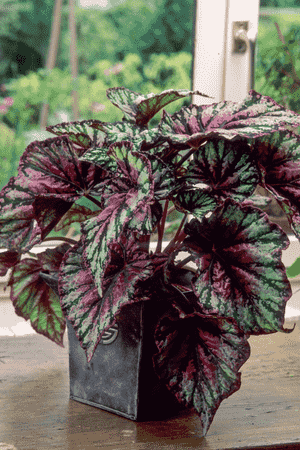
Begonia Painted-leaf is readily propagated through both entire-leaf and soft stem cuttings, making it an excellent choice for those new to plant propagation. The emergence of fresh foliage indicates successful propagation. The most favorable period for propagation is during the spring or summer months. When propagating, confirm that your cuttings possess multiple leaves and nodes, and maintain consistent moisture until they are well-rooted.
When Is the Optimal Time to Propagate Painted-leaf Begonia?
Propagation Method
Cutting
Propagation Period
Spring, Summer
What Equipment Is Used for Painted-leaf Begonia Propagation?
Sharp Scissors or Pruning Shears
These implements are crucial for obtaining robust cuttings from painted-leaf begonia. Keen blades ensure clean cuts that mend rapidly, lessening the chance of infection. Scissors or shears must be sanitized prior to use to prevent disease spread.
Rooting Hormone
This compound stimulates root development in painted-leaf begonia cuttings. Dipping the severed end of the cutting into the rooting hormone enhances the likelihood of successful rooting, fosters stronger roots, and shortens propagation time.
Sterile Potting Mix
A pathogen-free medium, such as a peat-perlite blend or vermiculite, provides a good balance of air circulation and moisture retention. It is preferred for painted-leaf begonia propagation as it lowers the risk of soil-borne diseases affecting new cuttings.
Small Pots or Trays
Containers are utilized to hold the potting mix and painted-leaf begonia cuttings. These should possess sufficient drainage holes to prevent waterlogging, which can lead to rot in the fragile new roots.
Plastic Bags or Covers
Creating a moist microclimate is advantageous for the rooting of painted-leaf begonia cuttings. Clear plastic bags or covers help maintain humidity and warmth, thereby encouraging root growth without allowing the cuttings to dry out.
Heating Mat (Optional)
While not strictly necessary, a heating mat can supply consistent warmth to the base of the containers, improving root formation in painted-leaf begonia. This is particularly useful in colder climates or during the cooler months.
Misting Spray Bottle
Maintaining humidity is vital for painted-leaf begonia cuttings to prevent desiccation. A spray bottle allows for gentle watering without disturbing the cuttings or the rooting medium.
How to Propagate Painted-leaf Begonia?
Propagation Method
Cutting
Difficulty Level
Easy
How to Care for Your Newly Propagated Painted-leaf Begonia?
How to Care for Your Newly Propagated Painted-leaf Begonia?
Post-propagation, nurture young painted-leaf begonia plants by providing bright, indirect illumination and a warm environment. Water them when the top layer of soil feels dry to the touch. Avoid excessive watering as painted-leaf begonia is susceptible to root rot. Maintain high humidity by placing a tray with pebbles and water beneath the pot or by regularly misting the plants. Fertilize with a balanced liquid feed every 2-4 weeks during the active growth period. Repot only when essential as painted-leaf begonia prefers to be slightly root-bound.
Common Errors to Avoid When Propagating Painted-leaf Begonia
Overwatering cuttings
Starting with cuttings that are too wet can result in decay. It is crucial for painted-leaf begonia cuttings to have balanced moisture without being waterlogged, as their delicate stems and leaves are prone to rot in excessively wet conditions.
Too much sunlight
Exposing painted-leaf begonia cuttings or leaves to direct sun can cause scorching. Painted-leaf begonia thrives in bright, indirect light, especially when its leaves are in the vulnerable state of attempting to root.
Incorrect soil mix
Using soil that is too dense or poorly draining can suffocate the roots of painted-leaf begonia. A well-draining soil mixture is essential for the healthy root development of this plant.
Using damaged leaves
Attempting to propagate painted-leaf begonia using compromised or diseased leaves will likely fail. It's fundamental that the leaves are healthy and vibrant to ensure propagation success.
Tips For Propagating Painted-leaf Begonia
Proper leaf selection
Select a healthy and mature leaf from painted-leaf begonia for propagation. The chosen leaf should be free from damage and diseases to increase the likelihood of successful rooting.
Humidity control
Maintaining high humidity around the painted-leaf begonia propagation environment promotes rooting. Covering the cutting with a plastic bag or utilizing a propagation box can create an ideal microclimate.
Indirect lighting
Position painted-leaf begonia cuttings in bright, indirect light. Direct sunlight can harm the delicate tissues, while adequate light supports the growth of new roots and shoots.
Leaf cutting method
When propagating painted-leaf begonia via leaf cuttings, make precise cuts using sterile tools to prevent infection and enhance rooting. Place the cut edge slightly into the soil mix or lay the leaf flat and secure it if that's the chosen method.
Avoid overhandling
Minimize disturbance of painted-leaf begonia cuttings after they have been planted. Constant interference can damage the tiny forming roots and impede the growth of new plants.



