How to Propagate Dwarf white bauhinia?
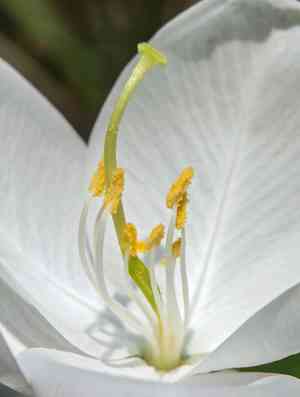
The dwarf white bauhinia is a compact, decorative tree recognized for its unique, divided foliage and aromatic, pure white blossoms. For multiplying dwarf white bauhinia, employing cuttings represents the most efficient method. To achieve the best outcomes, choose robust, semi-hardwood sections from established growth. Make your cut directly beneath a node, ensuring each section possesses multiple leaf nodes. Applying a rooting stimulant can significantly improve the chances of success. Insert the cuttings into a growing medium that drains effectively, sustain steady dampness, and furnish a warm, moist setting to foster root formation.
When Is the Best Time to Propagate Dwarf White Bauhinia?
Propagation Method
Cutting
Propagation Period
Autumn,Winter
What Tools Are Used for Dwarf White Bauhinia Propagation?
Sharp pruning shears
Used for taking cuttings from dwarf white bauhinia, sharp pruning shears allow for a clean, precise cut that minimizes damage to the parent plant and the cutting. Clean cuts help prevent disease and encourage quicker healing and root development.
Rooting hormone
This chemical substance stimulates root growth in dwarf white bauhinia cuttings. Applying rooting hormone to the cut end of the cutting increases the chances of successful root development, thereby enhancing the overall success rate of propagation.
Sterile potting mix
A well-draining, sterile potting mix provides the ideal environment for rooting dwarf white bauhinia cuttings. The sterility of the mix ensures that there are no pathogens that can harm vulnerable cuttings, and its texture supports adequate air and moisture around the developing roots.
Plant pots
Suitable for housing each dwarf white bauhinia cutting individually, these containers should provide adequate drainage and space for root development. Using individual pots helps in monitoring the health and growth of each cutting and allows for easier handling during the rooting phase and transplantation.
Plastic covers or humidity domes
These tools help maintain adequate humidity around dwarf white bauhinia cuttings, crucial for preventing moisture loss through transpiration. A moist environment promotes efficient rooting and reduces the risk of the cuttings drying out before they can establish new roots.
Heat mats
Particularly beneficial if propagating dwarf white bauhinia in cooler climates, heat mats help maintain a consistent and suitable bottom heat that encourages faster root growth. Root development can be significantly improved with stable, warm temperatures.
How to Propagate Dwarf White Bauhinia?
Propagation Difficulty
Moderately Difficult
How to Care for Your Newly Propagated Dwarf White Bauhinia?
How to Care for Your Newly Propagated Dwarf White Bauhinia?
Once roots are established, gradually acclimate dwarf white bauhinia to less humid conditions by removing the plastic cover progressively over a week. When established, place dwarf white bauhinia in a location that receives full to partial sunlight. Water regularly to keep the soil moist but not soggy, and provide a balanced, slow-release fertilizer during the growing season to support healthy growth and blooming.
Common Mistakes to Avoid When Propagating Dwarf White Bauhinia
Overwatering
Excessive watering can lead to root rot in dwarf white bauhinia, weakening the plant. This mistake often stems from the misconception that more water accelerates growth, but it primarily promotes fungal and other waterborne diseases.
Insufficient light
Placing dwarf white bauhinia in too shady an area can inhibit its growth and reduce flowering. Dwarf white bauhinia requires ample sunlight to thrive, and lack of it can result in sparse leaves and stunted growth.
Deep planting
Burying the seeds or young plants of dwarf white bauhinia too deeply can prevent germination or hinder the young plants' ability to break through the soil surface. This can severely delay the plant's development or even cause the seedling to fail.
Using poor soil
Utilizing low-quality or improperly drained soil can be detrimental to dwarf white bauhinia during propagation. Poor soil can hinder root growth and water drainage, leading to unhealthy plant conditions.
Tips For Propagating Dwarf White Bauhinia
Optimal soil conditions
Prepare a potting mix with good drainage and aeration suitable for dwarf white bauhinia. A blend incorporating perlite or vermiculite can enhance drainage, essential for healthy root development.
Adequate sunlight
Ensure that dwarf white bauhinia receives sufficient sunlight, ideally full sun exposure, for optimal growth and flowering. An area that gets ample morning sunlight and some afternoon shade is ideal to protect the plant from excessively high temperatures.
Moderate watering
Water dwarf white bauhinia to keep the soil consistently moist but not waterlogged. Allow the top layer of soil to dry slightly before watering again to prevent overwatering and root rot.
Proper planting depth
When planting seeds or transplanting young plants of dwarf white bauhinia, ensure they are placed at the correct depth. Generally, seeds should be planted at a depth approximately twice their size, and young plants should be transplanted at the same depth they were growing previously.



