How to Propagate Cast-iron plant?
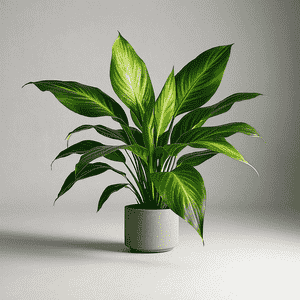
The cast-iron plant can be successfully multiplied by dividing its tubers in the springtime. This propagation method is generally simple, with the emergence of new foliage signaling its success. Exercise caution when separating the tubers to prevent any harm.
Optimal Time for Cast-iron Plant Propagation
Propagation Method
Utilize The Tubers
Propagation Period
Spring
Tools Required for Cast-iron Plant Propagation
Sharp, sterilized pruning shears or a knife
These are crucial for precise tuber separation from the parent plant. Clean cuts reduce infection risk and promote faster healing for cast-iron plant, facilitating minimal damage during tuber division.
Gloves
Wearing gloves protects your hands and helps prevent pathogen transfer to cast-iron plant's tubers.
Potting mix
A well-draining potting mix offers an ideal growth medium for cast-iron plant's new starts, rich in organic matter for healthy root development.
Pots or trays
These containers hold tubers and potting mix, requiring drainage holes to prevent waterlogging, which could harm cast-iron plant's health.
Watering can or misting spray bottle
A watering can allows gentle irrigation without disturbing new tubers, while a misting spray bottle maintains humidity around cast-iron plant, fostering better growth.
Plastic wrap or a propagator
Covering the pot with plastic wrap or using a propagator creates a greenhouse-like environment, maintaining high humidity and warmth to encourage cast-iron plant's root development.
Labels and a marker
These tools are invaluable for tracking propagation details like date and species, aiding in monitoring cast-iron plant's growth progress and care needs.
Rooting hormone
This can be applied to the tuber's cut surface to stimulate root growth, accelerating the establishment and development of roots in cast-iron plant.
How to Propagate Cast-iron Plant?
Propagation Method
Utilize The Tubers
Difficulty Level
Simple
Caring for Your Newly Propagated Cast-iron Plant
Caring for Your Newly Propagated Cast-iron Plant
Post-propagation, maintain consistent soil moisture for cast-iron plant without saturation. Ensure indirect light and protection from drafts and extreme temperatures. Fertilize monthly with a balanced fertilizer during the growing season, reducing watering in fall and winter. Periodically dust leaves for efficient photosynthesis. Repot only when the plant is pot-bound, as cast-iron plant prefers slightly constricted roots.
Common Errors to Avoid During Cast-iron Plant Propagation
Overwatering
Excessive watering after division can cause root rot in cast-iron plant, as it prefers drier soil. Saturated soil suffocates roots, leading to fungal diseases and poor growth.
Excessive fertilization
Applying too much fertilizer during cast-iron plant propagation can hinder root development. Excess nutrients cause salt buildup, potentially burning new roots and stunting growth.
Using diseased or weak sections
Attempting to propagate cast-iron plant with diseased or weak plant sections may lead to failure. Unhealthy cuttings are less likely to establish and grow, wasting effort and resources.
Incorrect soil
Using the wrong soil type can be detrimental to cast-iron plant propagation. Poorly draining soil retains moisture, promoting root diseases. A well-draining potting mix is crucial for successful propagation.
Tips for Propagating Cast-iron Plant
Root division
Carefully dividing cast-iron plant's roots during propagation promotes successful establishment. Ensure each division has adequate roots and foliage for plant sustenance.
Soil sterilization
Using sterilized potting mix minimizes the risk of soil-borne diseases, which can impact cast-iron plant's health. Sterilized soil provides a clean environment for new root development.
Indirect lighting
After propagation, place cast-iron plant in indirect light. Excessive direct sunlight can stress newly propagated plants, while gentle light encourages steady growth.
Moderate watering
Keep the soil of newly propagated cast-iron plant moderately moist, but not waterlogged. Consistent, moderate watering aids new root system establishment without overwatering risks.



