How to Propagate Marguerite daisy?
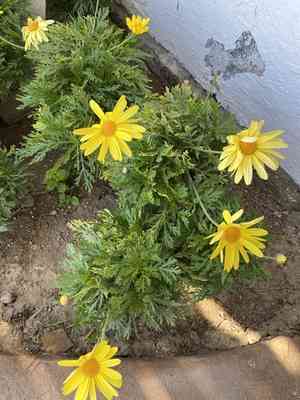
The most effective method for propagating Marguerite daisy is via cuttings, ideally performed in the spring and summer months. This plant presents an easy to moderate level of difficulty for propagation. The emergence of new foliage indicates successful rooting. Ensure the cuttings remain hydrated to achieve the best outcomes.
Optimal Time for Marguerite Daisy Propagation
Propagation Method
Cutting
Propagation Period
Spring, Summer
Tools Required for Marguerite Daisy Propagation
Sharp pruning shears or scissors
These are vital for obtaining cuttings from marguerite daisy. A sharp blade ensures a clean incision, minimizing harm to both the parent plant and the cutting, thereby increasing the likelihood of successful rooting. Sterilize the tool before use to prevent disease transmission.
Rooting hormone powder or gel
This product assists in encouraging root formation on marguerite daisy cuttings. The hormone stimulates root development at the cut surface, which can improve propagation success. It's especially beneficial for hardwood or semi-hardwood cuttings that may root with more difficulty.
Sterilized potting mix
A well-draining and sterile potting medium or a soilless substrate like vermiculite or perlite is crucial for the rooting process of marguerite daisy cuttings. It lowers the risk of soil-borne infections and provides the necessary balance of air and moisture to support new root growth.
Small pots or trays
Appropriate containers are needed to hold marguerite daisy cuttings while they establish roots. They should feature drainage holes to prevent waterlogging, which can lead to fungal diseases or rot in young cuttings.
Plastic bags or propagation covers
These create a miniature greenhouse effect around marguerite daisy cuttings, maintaining high humidity and warm temperatures that promote rooting. The cover should not touch the foliage, as this can cause rot.
Heating mats (optional)
These can be positioned beneath propagation trays to maintain a consistent temperature, which can be particularly advantageous for marguerite daisy cuttings if propagating in a cooler environment. They can accelerate rooting speed and improve success rates.
How to Propagate Marguerite Daisy?
Propagation Type
Cutting
Difficulty Level
Easy
Caring for Your Newly Propagated Marguerite Daisy
Caring for Your Newly Propagated Marguerite Daisy
Following propagation, keep the soil of the young marguerite daisy plant consistently moist, but avoid excessive watering. Provide it with bright, indirect light and gradually acclimatize it to outdoor conditions if it was propagated indoors. Initiate a regular feeding regimen with a balanced liquid fertilizer approximately one month after transplanting. Prune to shape the plant and remove any dead or spent flowers to encourage further blooming. Protect marguerite daisy from frost and consider applying mulch to retain moisture and suppress weeds.
Common Errors to Avoid When Propagating Marguerite Daisy
Overwatering
Supplying too much water can result in root rot and fungal diseases, as marguerite daisy prefers well-draining soil and moderate moisture levels.
Cutting too short
Taking cuttings that are excessively short may not provide enough tissue to establish roots, diminishing the cutting's chance of survival.
Neglecting to remove lower leaves
Failing to strip the lower leaves from cuttings can lead to decay when they are embedded in soil, resulting in poor root development.
Using non-sterile tools
Propagation with contaminated tools can introduce pathogens, hindering the growth of marguerite daisy or causing disease.
Planting in poor soil
Utilizing nutrient-deficient or heavy soil can restrict root growth and water drainage, negatively impacting the health of marguerite daisy.
Ignoring humidity requirements
Not maintaining a humid environment for new cuttings can cause them to dry out before they can root, especially for marguerite daisy.
Tips For Propagating Marguerite Daisy
Correct cutting length
Ensure cuttings are 4-6 inches long to provide sufficient area for rooting and photosynthesis, which is vital for marguerite daisy's development.
Use rooting hormone
Apply a rooting hormone to the cut end of cuttings to stimulate root growth and enhance the success rate for marguerite daisy's propagation.
Provide indirect light
Place marguerite daisy cuttings in bright but indirect light to prevent scorching while allowing for sufficient energy for rooting.
Monitor moisture levels
Keep the soil consistently moist but not waterlogged to support root development for marguerite daisy, allowing for good drainage.
Ensure proper aeration
Use a well-aerating potting mix that promotes healthy root growth and prevents soil compaction, which is critical for marguerite daisy.
Use clean tools
Always propagate using clean, sterilized tools to minimize the risk of disease transmission to marguerite daisy.



