How to Propagate Soursop?
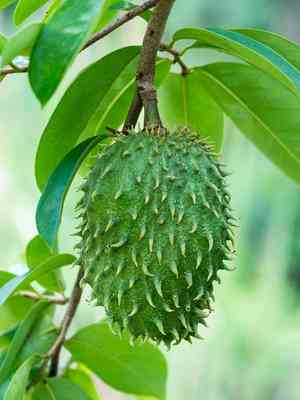
The soursop, a tropical fruit-bearing tree, is recognized for its unique, prickly green fruit possessing a tangy taste. Reproducing soursop is frequently accomplished via grafting, where a soursop scion is united with a rootstock from a suitable species. This technique is favored to guarantee the transmission of desired characteristics and to yield trees that faithfully replicate the parent plant. Grafting also generally leads to more robust development and earlier fruit production compared to plants grown from seeds. For effective grafting, it is essential to maintain a sterile, keen incision and ensure a tight union between the scion and rootstock for optimal vascular linkage.
What Is the Best Time To Propagate Soursop?
Propagation Type
Grafting
Propagation Season
Spring,Winter
What Tools Are Used in Soursop Propagation?
Grafting Knife
A grafting knife is vital for making precise incisions on soursop during the grafting process. Its blade is specifically designed to ensure clean, smooth cuts on both the scion and rootstock, which is essential for successful grafting. A cleaner cut improves contact between grafting surfaces, increasing the likelihood of a successful union and growth.
Grafting Tape
Grafting tape is utilized to firmly secure the scion to the rootstock after they have been joined. The tape must be flexible and water-resistant, creating a tight seal that prevents air and pathogens from entering the graft site. This keeps the graft area moist and protected, aiding in the healing and vascular development necessary for soursop to establish successfully.
Rootstock
Choosing suitable rootstock is critical for soursop grafting. The rootstock should be disease-resistant and compatible with soursop to ensure good vascular connection and nutrient flow, impacting overall plant health and productivity. Compatibility can significantly influence the grafting success rate and the plant's future growth.
Pruning Shears
Pruning shears are employed to prepare the rootstock and to trim the soursop scion before grafting. Sharp, clean shears guarantee minimal damage to plant tissues, which is crucial for proper healing and graft success. Proper pruning also helps manage the shape and size of soursop, contributing to a stronger graft and healthier growth post-propagation.
Disinfectant Solution
A disinfectant solution is used to sanitize the grafting knife and pruning shears before and after use. This prevents the introduction and spread of diseases at the graft site. Ensuring all tools are pathogen-free is critical, especially when cutting into soursop tissues, to maintain the plant's health during and after the propagation process.
How to Propagate Soursop?
Propagation Type
Moderately Difficult
How to Care for Your Newly Propagated Soursop?
How to Care for Your Newly Propagated Soursop?
Following soursop propagation, maintain consistent irrigation to ensure the soil remains damp but not waterlogged. Shield the young graft from extreme temperatures by providing shade or wind protection as needed. Regularly check for indications of graft success, such as bud development on the scion. As the plant matures, gradually expose it to more natural environmental conditions to acclimate it before permanent transplanting. Ensure the plant receives adequate nutrients through either regular fertilization or natural organic matter supplementation.
Common Mistakes to Avoid When Propagating Soursop
Overwatering
Excessive watering of soursop can lead to root rot and fungal infections. This plant prefers soil that drains well and requires periods where the soil is allowed to partially dry out between waterings.
Using unsuitable soil
Selecting a soil medium that doesn't drain effectively or lacks proper aeration can cause soursop roots to suffocate or become waterlogged, impeding growth and health.
Improper cutting selection
Using cuttings that are either too young or too old can hinder the chances of successful propagation. Soursop requires cuttings of appropriate maturity and health.
Neglecting humidity for cuttings
Insufficient humidity can cause soursop cuttings to dry out before they can root. This is particularly important for this species when propagated via cuttings.
Excessive light exposure
While soursop thrives in bright light, too much direct sun can stress new cuttings or seedlings, resulting in leaf burn or dehydration.
Tips For Propagating Soursop
Well-draining soil
Utilizing a well-draining soil mix is vital for soursop's health. It promotes appropriate moisture levels around the roots and prevents waterlogging.
Correct cutting technique
Ensure cuttings are semi-hardwood, approximately 6-8 inches long, and possess at least two nodes. A clean cut with a sterilized tool will give soursop the best chance for rooting.
Balanced watering
Maintain a balanced watering schedule, allowing the soil to slightly dry out between sessions. This caters to soursop's moisture needs while ensuring roots are not overly saturated.
Humidity for cuttings
Providing a humidity dome or misting soursop cuttings can create an ideal environment for root development and help prevent them from drying out.
Indirect light
Position soursop in a location where it receives bright, indirect light. This will ensure the plant avoids the stress of intense, direct sunlight while still getting the necessary energy.



