How to Propagate Cherimoya?
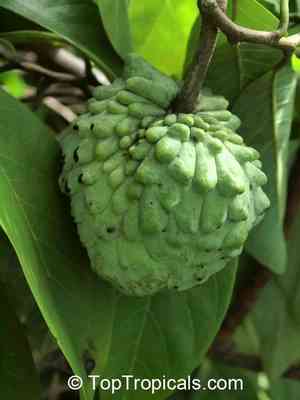
Cultivating cherimoya in your garden frequently utilizes grafting as a reliable approach to guarantee genetic consistency. This method is commonly employed by growers to preserve the advantageous characteristics of cherimoya, allowing the resulting plants to mirror the parent's fruit attributes and resilience to ailments. Grafting entails carefully attaching a scion from the chosen cherimoya onto an existing rootstock, typically sourced from a more robust relative to enhance vigor and developmental capacity. Meticulousness regarding scion condition, accurate incisions, correct positioning, and firm attachment are crucial for establishing successful graft connections.
Optimal Period for Cherimoya Propagation
Propagation Method
Grafting
Propagation Period
Spring,Winter
Essential Tools for Cherimoya Propagation
Grafting Knife
A grafting knife is crucial for making precise cuts on both the scion and the rootstock of cherimoya. Its slender, sharp blade enables clean incisions vital for a successful graft union. The cleanliness of the cut promotes better adhesion between the scion and rootstock, minimizing disease entry.
Grafting Tape
Grafting tape is utilized to firmly secure the scion to the rootstock after their union. This specialized tape is designed to be flexible yet strong, offering support while allowing for some movement as cherimoya develops. The tape also needs to be weather-resistant and degrade over time as the graft heals, eliminating the need for manual removal and reducing stress on the new joint.
Rooting Hormone
While not always mandatory, rooting hormone can be beneficial when grafting cherimoya to stimulate quicker tissue repair and root development at the graft site. This enhances the likelihood of successful grafting by promoting faster establishment and reducing the overall shock to the propagated plant.
Pruning Shears
These are employed to trim the plant before and after grafting. Pruning cherimoya helps manage its size, remove any unnecessary parts that could divert energy from the developing graft, and can help shape the plant as it grows. Sharp, clean pruning shears ensure healthy cuts and prevent pathogen introduction.
Wound Sealant
Following grafting, applying a wound sealant to the graft site of cherimoya can be advantageous. It safeguards exposed tissues from pathogens and pests, and also aids in moisture retention, improving the graft's ability to heal and establish. Selecting an appropriate sealant that allows plant tissues to breathe while providing effective protection is critical.
How to Propagate Cherimoya?
Propagation Difficulty
Moderately Difficult
Caring for Your Newly Propagated Cherimoya
Caring for Your Newly Propagated Cherimoya?
After grafting, position cherimoya in a protected area with indirect light to lessen plant stress. Maintain adequate soil moisture without overwatering, and observe for indications of graft success, such as bud growth on the scion. Gradually introduce cherimoya to outdoor conditions before transplanting to its permanent location, ensuring regular watering and protection from extreme temperatures. Prune cherimoya to shape it as desired once the graft is fully healed and new growth is established.
Common Errors to Avoid When Propagating Cherimoya
Ignoring soil requirements
Using a poorly draining soil mix can lead to root rot. Cherimoya needs well-draining soil as it is vulnerable to excessive moisture.
Over-watering cuttings
Too much water can foster conditions that encourage fungal infections and decay of cherimoya cuttings.
Using non-sterile tools
Propagation instruments that are not sanitized can introduce pathogens, which can severely impact the success rate and health of cherimoya.
Cutting wrong plant parts
Harvesting non-viable or unhealthy cuttings from cherimoya can result in poor or no root development.
Neglecting humidity control
Failing to maintain appropriate humidity levels around cherimoya cuttings can lead to desiccation and impede rooting.
Tips For Propagating Cherimoya
Correct soil mix
Utilize a mix rich in organic matter with excellent drainage to promote robust root growth for cherimoya.
Moderate watering
Water cherimoya cuttings sparingly, allowing the soil to dry slightly between waterings to prevent waterlogging and root rot.
Sterilized tools
Ensure all propagation tools are cleaned and sterilized before use to prevent the spread of diseases to cherimoya.
Healthy cuttings
Select healthy, disease-free cuttings from mature cherimoya plants to increase the chances of rooting and growing a healthy plant.
Controlled humidity
Maintain high humidity around cherimoya cuttings using a humidity dome or plastic bag to prevent the cuttings from drying out.



