How to Propagate Wild angelica?
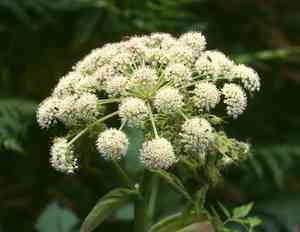
Wild angelica reproduces efficiently by planting its seeds. For best outcomes, wild angelica seeds ought to be planted in soil that drains well and is fortified with organic material to supply essential growth nutrients. Maintaining steady dampness without saturation will encourage robust seed growth. Utilizing fresh seeds is advantageous, as this improves their sprouting success.
When Is the Optimal Time to Propagate Wild Angelica?
Propagation Method
Seeding
Propagation Period
Spring
What Equipment Is Used for Wild Angelica Propagation?
Seed trays
Seed trays are crucial for starting wild angelica from seeds indoors. They help organize seeds, allowing for ideal spacing and depth control, ensuring each seed has ample room for proper root development. Their shallow design promotes uniform germination and easy monitoring of soil moisture.
Peat pots
Peat pots are biodegradable containers suitable for sowing wild angelica seeds. They are especially beneficial as they minimize root disturbance during transplanting. Since wild angelica can be sensitive to root shock, peat pots enable direct planting into the soil, enhancing successful transplantation.
Watering can with a fine rose
A watering can equipped with a fine rose attachment delivers a gentle water flow, perfect for irrigating wild angelica seedlings. This tool prevents soil erosion and damage to delicate sprouts by distributing water evenly and softly, vital for maintaining soil structure and moisture levels conducive to seed germination.
Horticultural labels
Horticultural labels are useful for noting the sowing date and species when propagating multiple varieties like wild angelica. They aid in tracking growth progress and maintenance schedules, ensuring specific care requirements are met during critical early development stages.
Seedling heat mat
A seedling heat mat enhances germination rates and seedling growth by maintaining a consistent soil temperature, ideal for wild angelica's needs. This tool is particularly advantageous in cooler climates or seasons, providing the necessary warmth for germination, crucial for wild angelica's early development.
How to Propagate Wild Angelica?
Propagation Type
Simple
How to Nurture Your Newly Propagated Wild Angelica?
How to Nurture Your Newly Propagated Wild Angelica?
Post-germination, allow wild angelica seedlings to grow until they develop several true leaf sets. Gradually acclimate them to outdoor conditions before planting in their final spot in partial shade. Wild angelica thrives in moist, fertile soil and needs regular watering during dry spells. Stake taller plants for support against strong winds. Apply mulch annually to improve soil structure and nutrient availability.
Common Errors to Avoid When Propagating Wild Angelica
Overwatering
Excessive moisture can lead to root rot and fungal diseases in wild angelica. As wild angelica often prefers well-drained soils, overwatering compromises its root health, negatively impacting overall growth and survival.
Deep Planting
Planting wild angelica seeds or seedlings too deeply can hinder germination and root development. This error restricts access to essential surface-level oxygen, potentially decreasing propagation success.
Ignoring Seed Stratification
Wild angelica seeds frequently require a cold stratification period to break dormancy. Skipping this step can result in poor or no germination, as the seeds may remain dormant and fail to sprout.
Crowding Plants
Placing wild angelica seedlings too close together can lead to competition for light, nutrients, and space, affecting their growth and maturation. This mistake can reduce overall plant vigor and increase susceptibility to diseases.
Advice for Propagating Wild Angelica
Seed Stratification
Subject wild angelica seeds to a cold period before planting to boost germination rates. This process mimics natural environmental conditions, effectively breaking seed dormancy.
Appropriate Planting Depth
Sow wild angelica seeds shallowly, about twice the seed's size. This ensures adequate light exposure, vital for germination, and allows seedlings to emerge easily.
Soil Preparation
Prepare well-draining soil rich in organic matter to encourage healthy root development for wild angelica. Good soil structure supports moisture retention while preventing waterlogging, crucial for root health.
Spacing Seedlings
Provide wild angelica seedlings with ample space to grow without excessive competition. Proper spacing promotes good air circulation and reduces fungal infection risks, while ensuring sufficient access to sunlight and nutrients.



