How to Propagate Coastal ragweed?
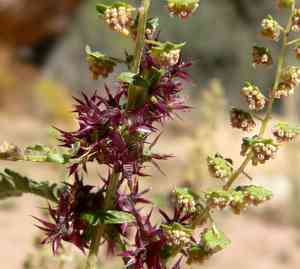
Ambrosia maritima flourishes in littoral zones and is highly suited to sandy substrates and salty environments. For propagation, acquire semi-hardwood cuttings when the plant is actively growing. Maintain them in a moist atmosphere until root systems emerge, making certain they are situated in soil that drains effectively. Periodically check hydration levels to avoid excessive watering. This species benefits from continuous exposure to solar radiation. These methods guarantee successful propagation and the development of robust plants.
Optimal Time for Coastal Ragweed Propagation
Propagation Method
Cutting
Propagation Period
Spring,Summer
Tools for Coastal Ragweed Propagation
Sharp Pruning Shears
Utilized for taking cuttings from coastal ragweed by making clean cuts, minimizing tissue damage, which is vital for successful rooting.
Rooting Hormone
Aids in stimulating root development in cuttings taken from coastal ragweed, ensuring a higher propagation success rate.
Propagation Trays
Offer a controlled environment for coastal ragweed cuttings to root and establish, with proper drainage and space, preventing waterlogging and disease.
Misting Bottles
Maintain suitable humidity around coastal ragweed cuttings without overwatering, which helps prevent desiccation and encourages root growth.
Sterile Planting Medium
Guarantees a disease-free environment for coastal ragweed cuttings to root, providing a balanced mix of nutrients and aeration.
Plastic Domes
Create a mini-greenhouse effect over propagation trays, maintaining humidity and warmth essential for successful rooting of coastal ragweed.
Heat Mats
Deliver consistent warmth to the root zone of coastal ragweed cuttings, which can accelerate rooting and boost propagation success during cooler times.
How to Propagate Coastal Ragweed?
Propagation Type
Moderately Difficult
Caring for Newly Propagated Coastal Ragweed
Caring for Newly Propagated Coastal Ragweed
Once coastal ragweed cuttings have rooted and new growth appears, gradually introduce them to less humid conditions by removing the plastic cover. When plants are well-established, transfer them to individual pots with standard potting mix. Water regularly, keeping the soil moist but not saturated. Check for pests and diseases, and provide light fertilizer during the growing season to support healthy development.
Common Errors to Avoid When Propagating Coastal Ragweed
Overwatering
Excessive watering can lead to root rot, which is detrimental to the health and establishment of coastal ragweed.
Improper Soil Selection
Using heavy or poorly drained soil can hinder root growth and water drainage, causing stress to coastal ragweed.
Lack of Sunlight
Placing coastal ragweed in a shaded area can result in poor growth and reduced vigor, as coastal ragweed typically requires full sun.
Neglecting Pest Control
Failure to monitor and manage pests can cause significant damage to young plants, affecting their development and overall health.
Tips For Propagating Coastal Ragweed
Well-Drained Soil
Ensure the use of well-draining soil to prevent waterlogging and encourage healthy root development in coastal ragweed.
Adequate Sunlight
Place coastal ragweed in a location where it can receive full sunlight for optimal growth.
Moderate Watering
Water coastal ragweed moderately, keeping the soil consistently moist but not waterlogged to promote healthy establishment.
Use of Rooting Hormone
Apply a rooting hormone to cuttings to enhance root development and increase the success rate of propagation.
Monitor for Pests
Regularly inspect coastal ragweed for pests and address issues promptly to prevent potential damage and ensure healthy growth.



