How to Propagate Giant taro?
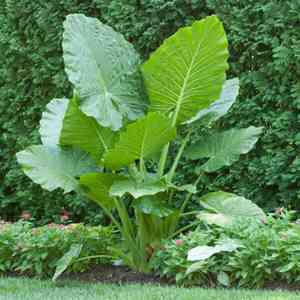
Giant taro is most effectively propagated in the springtime, mainly by dividing its tubers. This technique presents a moderate challenge; however, ensuring the parent plant is robust and positioning the tubers in appropriate environments will boost the likelihood of success. Indications of successful propagation encompass fresh shoots and root development.
Optimal Time for Giant Taro Propagation
Propagation Method
Utilize The Tubers
Propagation Period
Spring
Tools Required for Giant Taro Propagation
Sharp, sterile knife or pruners
These are crucial for making clean, sanitary cuts when dividing giant taro tubers for propagation. A sharp instrument ensures a precise incision, minimizing tissue damage and reducing the likelihood of infection or disease. Sterilization prevents pathogen transfer that could harm the plant.
Gloves
Wearing gloves safeguards the propagator's hands from the sap of giant taro, which might cause skin irritation. It also keeps the tubers free from contaminants that could impact their health and development.
Rooting hormone powder or liquid
Applying a rooting hormone to the cut surfaces of giant taro tubers can encourage root development, boosting the chances of successful propagation. This aid enhances the plant's natural ability to establish roots more quickly and effectively.
Potting medium
A well-draining and nutrient-rich potting mix is vital for giant taro tubers to develop robust roots and shoots. The medium should retain some moisture while allowing excess water to drain, preventing root rot.
Pots or containers with drainage holes
These offer a suitable environment for the newly cut giant taro tubers to establish. The drainage holes are essential to prevent waterlogging, which is detrimental to the health of developing roots.
Plastic wrap or humidity dome
A humidity dome or plastic wrap can help maintain high humidity around the propagating giant taro tubers, which is beneficial for encouraging root development. It creates a microclimate that ensures cuttings do not lose too much moisture during the critical phase of root initiation.
Heating mat (optional)
A heating mat can be advantageous for providing a consistent and optimal growing temperature for giant taro tubers. Warmth can accelerate the germination and rooting process, especially in cooler environments.
How to Propagate Giant Taro?
Propagation Method
Utilize The Tubers
Difficulty Level
Easy
Caring for Your Newly Propagated Giant Taro
Caring for Your Newly Propagated Giant Taro
Following successful propagation, nurture your young giant taro plants by maintaining high humidity and indirect, bright light. Water to keep the soil moist but never waterlogged, and apply a balanced fertilizer every 4-6 weeks during the growing season. Shield giant taro from cold drafts and temperatures below 60 degrees Fahrenheit. As the plants mature, repot them if they become root-bound or when necessary to refresh the potting soil.
Common Mistakes to Avoid When Propagating Giant Taro
Overwatering
Propagating giant taro requires high humidity, but excessive watering can lead to root rot and fungal diseases. Too much moisture can suffocate the roots, diminishing their ability to absorb nutrients, which is detrimental to the plant's overall health and growth.
Using diseased parent plants
Taking cuttings or divisions from an unhealthy parent plant can transmit diseases to the new plants. This compromises the propagation process and can result in the new plants failing to thrive or perishing.
Ignoring sterilization
Not sterilizing tools before propagation increases the risk of spreading pathogens, which can be harmful to giant taro. Unsterile conditions can introduce bacteria or fungi that may not be immediately apparent but can cause problems later on.
Inadequate rooting conditions
Failing to create an environment that promotes rooting, such as proper soil mixture and humidity, can impede the establishment of giant taro cuttings or corms. Poor conditions may lead to the cutting or corm failing to root altogether.
Tips For Propagating Giant Taro
Correct division
Properly separating giant taro's corms or rhizomes ensures that each division has enough roots to sustain itself. Make clean cuts to minimize damage and the risk of disease.
Appropriate moisture levels
Maintain a balance by providing a consistently moist medium that is well-draining to promote healthy root growth while avoiding the pitfalls of overwatering.
Use healthy plant material
Ensure that all cuttings or corms are taken from vigorous and disease-free parent plants. This will give the propagules the best chance at successful growth and development.
Appropriate potting mix
Utilize a potting mix that is well-aerated and rich in organic matter to provide the ideal conditions for rooting and support the nutritional requirements of giant taro.



