How to Propagate Three-cornered leek?
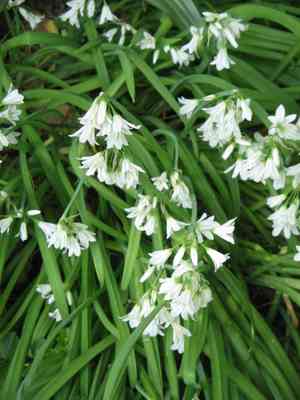
The most effective technique for multiplying three-cornered leek involves utilizing its tubers in the prime period of spring. This propagation process is typically straightforward, indicated by the emergence of fresh shoots. No further guidance is required.
When Is the Best Time to Propagate Three-cornered Leek?
Propagation Type
Utilize The Tubers
Propagation Season
Spring
What Tools Are Used for Three-cornered Leek Propagation?
Garden fork or spade
These implements are vital for extracting three-cornered leek tubers without causing harm. The tines of a garden fork or the edge of a spade are carefully inserted into the soil to lift the tubers. Their purpose is to aid in harvesting the tubers, which can then be replanted to multiply three-cornered leek. A garden fork, especially one with broad, flat tines, can be particularly effective as it minimizes damage to the tubers during removal.
Trowel
A trowel is employed for minor digging tasks, such as creating holes for planting tubers or transplanting three-cornered leek seedlings. Its function is to provide precision in planting at the correct depth, ensuring tubers are neither too deep nor too shallow in the soil. This aids in successful root establishment.
Watering can or hose with adjustable nozzle
After planting, three-cornered leek needs proper irrigation to establish roots and support growth. The purpose of using a watering can or a hose with an adjustable nozzle is to regulate water flow, ensuring gentle watering that doesn't disturb the soil or newly planted tubers.
Pruning shears
Pruning shears are used to remove any damaged or diseased foliage before propagating three-cornered leek. By cutting away these parts, energy is directed towards the healthy development of new plants. Pruning helps maintain plant health and vigor, which is crucial for successful propagation.
How to Propagate Three-cornered Leek?
Propagation Type
Utilize The Tubers
Difficulty Level
Easy
How to Care for Your Newly Propagated Three-cornered Leek?
How to Care for Your Newly Propagated Three-cornered Leek?
Once three-cornered leek is established, it requires minimal attention. It tolerates various soil types but prefers well-drained soil and a sunny to partially shaded location. Water three-cornered leek during extended dry periods to keep the soil moist. It can spread aggressively; therefore, regular monitoring and control may be necessary to prevent it from overtaking garden areas. After the growing season, cut back the foliage if it becomes unsightly or after it has naturally died back.
Common Mistakes to Avoid When Propagating Three-cornered Leek
Overcrowding
Planting three-cornered leek bulbs or sowing seeds too close together can restrict nutrient access and reduce air circulation. This congestion can lead to poor growth and increased susceptibility to diseases like fungal infections.
Poor medium preparation
Using an unsuitable soil mix, or failing to ensure the soil is loose and well-drained, can result in waterlogging. Three-cornered leek requires a medium that provides adequate drainage to prevent bulb rot and promote healthy root development.
Excessive watering
While keeping soil moist is vital for the germination of three-cornered leek, overwatering can cause bulb and root rot, diminishing the chance of successful propagation. It's essential to maintain a balance and allow the soil to dry slightly between watering sessions.
Neglecting weeding
Failing to regularly remove weeds can impede three-cornered leek growth by competing for nutrients and resources. Weeds can also harbor pests and diseases that might spread to three-cornered leek.
Tips For Propagating Three-cornered Leek
Bulb division timing
Dividing three-cornered leek bulbs should ideally occur when the plant is dormant, typically right after the foliage dies back. This ensures minimal stress on the plant and increases the success rate of propagation.
Bulb handling
Handle three-cornered leek bulbs with care to prevent damage. Damaged bulbs can easily develop infections or fail to grow. Ensure the bulbs are healthy and firm before planting.
Soil fertility
Ensure the soil is fertile and enriched with organic matter such as compost. This will provide three-cornered leek with the necessary nutrients for growth and improve soil structure, benefiting bulb development.
Adequate spacing
Give three-cornered leek bulbs enough space to grow by planting them at the correct intervals. This will not only encourage a good-sized plant but also reduce the risk of disease by ensuring adequate air flow around each plant.



