How to Propagate Garlic?
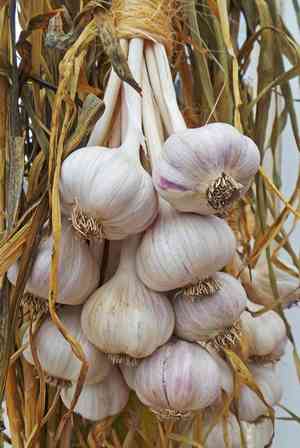
Garlic is typically multiplied using its bulbs, ideally in the springtime. Its propagation presents a medium level of challenge. Indicators of successful growth include the emergence of fresh sprouts. Gentle handling of the bulbs during their relocation is essential.
Optimal Period for Garlic Propagation
Propagation Method
Utilize The Tubers
Propagation Season
Spring
Tools Required for Garlic Propagation
Garden spade or trowel
Employed for excavating soil and preparing the site where garlic will be planted. A sharp, robust spade or trowel is vital for loosening earth, ensuring correct depth, and creating ideal planting conditions.
Gardening gloves
Shields the gardener\u2019s hands from dirt and potential skin irritants during garlic handling. Also aids in maintaining cleanliness, as garlic can be susceptible to contaminants.
Watering can or hose with a gentle spray nozzle
Ensures garlic receives an even, soft water distribution, essential for proper root development without causing soil erosion around newly planted sections.
Compost or well-rotted manure
Adds crucial nutrients to the soil, creating a rich and fertile growing medium that benefits garlic growth and health.
Mulch
Helps retain soil moisture and maintain a consistent soil temperature, important for garlic during root development. It also suppresses weed growth that can compete with garlic for nutrients.
Ruler or measuring tape
Used for measuring the correct distance between planting spots to ensure garlic has ample space to grow without competition for nutrients, light, and room.
Fertilizer (optional)
Provides extra nutrients to the soil if necessary, specifically formulated to benefit garlic, but must be used sparingly to prevent nutrient burn.
Label and marker
To mark the location where garlic is planted, assisting in tracking progress and distinguishing it from other garden plants.
Method for Propagating Garlic
Propagation Type
Utilize The Tubers
Difficulty Level
Easy
Caring for Your Newly Propagated Garlic
Caring for Your Newly Propagated Garlic
Post-propagation, ensure consistent moisture for garlic, especially during dry spells. Fertilize with a balanced product as per instructions at the start of the growing season. As garlic matures, reduce watering to allow bulbs to firm. Harvest when leaves yellow and fall. Cure harvested garlic in a dry, ventilated area away from direct sunlight for storage.
Common Errors to Avoid During Garlic Propagation
Planting without separating cloves
Each garlic clove can develop into a new plant. Many gardeners mistakenly plant the entire bulb, which can impede growth as cloves compete for resources. This may result in a reduced yield or smaller bulbs.
Ignoring clove orientation
Planting garlic cloves with the pointed end facing up is vital, as roots emerge from the flat base and shoots from the pointed tip. Inverting cloves can disrupt growth direction, causing abnormal development and potential plant failure.
Overwatering
Saturated soil can cause garlic cloves to rot before they establish. Consistent overwatering leads to poor root development and increases the risk of fungal diseases, jeopardizing the health and productivity of the garlic.
Using damaged cloves
Some may attempt to plant cloves showing signs of damage or disease. This often leads to unsuccessful propagation or spreads disease throughout the garden, compromising the entire garlic crop.
Neglecting soil preparation
Planting garlic in compacted or poor-quality soil without amendment can restrict root growth and nutrient uptake. Failure to adequately prepare the soil can result in stunted growth and lower yields.
Tips For Propagating Garlic
Clove selection
Select healthy, large cloves from a disease-free garlic bulb for planting. Larger cloves typically yield bigger and healthier bulbs, while healthy starting material ensures a strong foundation for growth.
Soil quality and preparation
Enrich the soil with well-rotted organic matter before planting garlic. This enhances drainage, structure, and nutrient content, fostering a better environment for clove development and growth.
Appropriate planting depth
Planting garlic cloves at the correct depth, generally 1-2 inches deep, is crucial for protection from temperature extremes and to provide stability as roots develop.
Adequate spacing
Space garlic cloves approximately 6 inches apart to promote good air circulation and ensure each plant has sufficient space and nutrients to grow, leading to a healthier, more robust yield.
Mulching
Applying a layer of mulch after planting garlic can help regulate soil temperature, retain moisture, and suppress weeds, all contributing to a more favorable growing environment.



