How to Propagate Long-stamen chive?
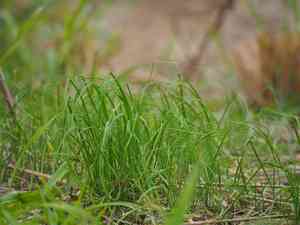
Long-stamen chive, a vigorous species within the Amaryllidaceae family, is predominantly multiplied by splitting its clustered underground stems. This technique guarantees an exact genetic replica of the long-stamen chive's original specimen and facilitates more rapid rooting compared to cultivating from seeds. During the division process, it is crucial to carefully detach the tubers, preserving the root structure. After separation, transplant the sections into rich, adequately draining earth, making sure the planting depth matches its prior growth. Consistent irrigation is vital until long-stamen chive has firmly taken root.
Optimal Time for Long-stamen Chive Propagation
Propagation Method
Utilize The Tubers
Propagation Period
Spring
Tools Required for Long-stamen Chive Propagation
Garden Fork or Spade
These implements are vital for excavating the earth and carefully extracting long-stamen chive tubers. A garden fork is especially beneficial as it lowers the chance of cutting through tubers compared to a shovel. Its tines can be gently inserted to loosen soil and lift tubers with minimal harm.
Potting Mix
A premium potting blend is essential for tuber propagation, supplying the necessary nutrients and drainage for long-stamen chive. The mix should be loose and fertile, possessing good water retention capabilities to support initial growth post-propagation.
Containers or Pots
Suitable for nurturing newly separated tubers, containers or pots must have sufficient drainage holes to prevent waterlogging, a condition that could cause rot in long-stamen chive. The pot size should comfortably accommodate the tubers and allow room for root expansion.
Watering Can with a Gentle Rose
This tool is crucial for irrigating newly planted tubers without dislodging them or causing erosion of the planting medium. The gentle rose attachment evenly disperses water, providing hydration without exposing tubers to strong water pressure.
Labels and Markers
Labels and markers are important for identifying long-stamen chive tubers, particularly when managing multiple plants or varieties. Proper labeling aids in tracking growth progress and maintaining organized cultivation records, which is beneficial for effective care and subsequent propagation cycles.
Caring for Your Newly Propagated Long-stamen Chive
Caring for Your Newly Propagated Long-stamen Chive
Long-stamen chive thrives in full sun to partial shade and well-drained soil. Post-propagation, water plants regularly to keep the soil consistently moist but not saturated. Fertilize with a balanced, slow-release product at the start of the growing season. As long-stamen chive matures, provide support if needed to keep long stems upright. Remove spent flowers to encourage vegetative growth and divide plants every few years in spring or fall to maintain vigor.
Common Errors to Avoid When Propagating Long-stamen Chive
Excessive Watering
Gardeners might assume that consistently moist soil is necessary for all plants, but this can lead to root rot in long-stamen chive.
Planting Too Deeply
Planting long-stamen chive bulbs or seeds too far down might hinder their ability to sprout or reach the surface, resulting in poor or no growth.
Ignoring Light Requirements
Long-stamen chive needs a specific amount of sunlight to flourish. Not providing adequate light can weaken the plant, making it more susceptible to disease and poor development.
Overcrowding
Sowing seeds or planting bulbs of long-stamen chive too close together can lead to competition for nutrients and space, ultimately reducing the plants' health and yield.
Neglecting Soil Preparation
Failing to prepare the soil with the right amendments can lead to poor drainage and fertility, which are crucial for the health and growth of long-stamen chive.
Advice for Propagating Long-stamen Chive
Appropriate Watering
Water long-stamen chive sparingly to keep the soil slightly moist without waterlogging, which is crucial for preventing rot.
Correct Planting Depth
Plant long-stamen chive seeds or bulbs at the appropriate depth, typically two to three times the bulb's height or lightly covered for seeds, to ensure successful germination and growth.
Optimal Lighting
Ensure long-stamen chive is placed in an area that receives ample sunlight, as sufficient light is key to its growth and vigor.
Spacing
Provide each long-stamen chive plant with enough room to grow by following recommended spacing guidelines, which helps reduce competition and promote air circulation.
Soil Amendment
Enrich the soil with suitable organic matter and ensure good drainage to create an ideal growing environment for long-stamen chive.



