How to Propagate Welsh onion?
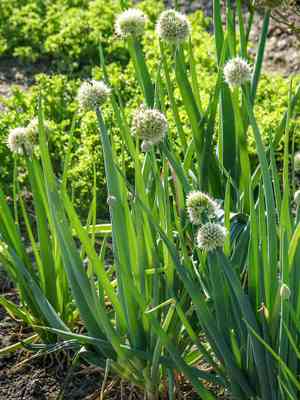
Hailing from Asia, welsh onion is frequently grown for its aromatic, hollow green foliage and pale bulbs. For propagating welsh onion, employing tubers is the most effective method. These tubers ought to be placed in soil that drains efficiently, guaranteeing sufficient room for development. They necessitate steady hydration and ample sunlight. After establishment, welsh onion is simple to care for and will proliferate, allowing cultivators to regularly separate and re-establish the groupings to broaden their yield.
Optimal Time for Welsh Onion Propagation
Propagation Method
Utilize The Tubers
Propagation Period
Spring
Tools for Welsh Onion Propagation
Garden Trowel
Crucial for excavating and preparing small holes for welsh onion tubers or young plants. Its slender, pointed blade allows for precise control in confined areas, minimizing disturbance to adjacent plants and ensuring accurate placement of the tubers.
Watering Can with a Fine Rose
Essential for gently irrigating welsh onion after planting. The fine rose attachment distributes water evenly and softly, preventing soil displacement around newly planted tubers and aiding root establishment without causing erosion or compaction.
Garden Fork
Beneficial for loosening soil around welsh onion during initial ground preparation. It enhances soil aeration and drainage, which is advantageous for the root development of tuber-propagated plants. Its tines are particularly effective for breaking up dense soil without harming existing root structures.
Labeling Stakes and Marker
Important for marking the locations where welsh onion tubers are planted. Labeling helps track growth progress and maintain accurate planting records. It prevents accidental disturbance or replanting in already used areas, aiding systematic cultivation.
Organic Mulch
Applied after planting, mulch helps retain soil moisture, suppresses weeds, and provides temperature stability for welsh onion. Materials like straw or leaf litter are especially useful in keeping the area around young welsh onion shoots free from competing weeds.
Post-Propagation Care for Welsh Onion
Post-Propagation Care for Welsh Onion
Following propagation, continue to provide a consistently moist, weed-free environment for welsh onion. Fertilize with a balanced feed every 4-6 weeks during the active growth period. As welsh onion is cold-hardy, apply mulch around the base in late autumn to offer extra insulation against freezing temperatures. Regular harvesting can encourage further growth, so trim shoots as needed.
Common Errors to Avoid When Propagating Welsh Onion
Overwatering
This can lead to root rot, which is detrimental to welsh onion as the species thrives in well-drained soil.
Planting too deeply
This can cause the bulb of welsh onion to rot, as it needs to be positioned just below the soil surface for proper growth.
Ignoring soil composition
Failing to ensure rich, fertile soil can impede the robust growth of welsh onion, which relies on available soil nutrients.
Neglecting to separate clusters
If gardeners do not separate clustered bulbs, this can result in overcrowding and poor bulb development due to nutrient competition.
Overlooking pests and diseases
Not addressing issues like onion fly or downy mildew can severely impact the health and yield of welsh onion.
Tips for Propagating Welsh Onion
Adequate spacing
Ensure welsh onion bulbs are planted with sufficient space between them for proper air circulation and growth.
Soil fertility
Enrich the soil with compost or well-aged manure before planting to provide essential nutrients for welsh onion.
Proper planting depth
Place welsh onion bulbs just beneath the soil surface to prevent rot and encourage healthy green shoots.
Regular watering
Maintain consistent moisture, especially during dry periods, while being careful not to overwater welsh onion.
Pest and disease monitoring
Regularly check for signs of pests and disease and take immediate action to protect the propagation success of welsh onion.



