How to Propagate Three-leaf akebia?
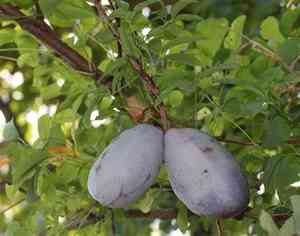
Akebia trifoliata flourishes when reproduced through cutting techniques. Begin by choosing robust semi-hardwood branches that have developed over the present cultivation period. These cuttings ought to possess multiple leaf nodes, as these are crucial for the formation of new roots. The severed stems can then be immersed in a rooting compound to stimulate root development and planted in a potting blend that drains effectively, preferably in an environment with elevated humidity and diffused illumination. Consistent spraying will assist in preserving the required moisture levels.
When Is the Optimal Time to Propagate Three-leaf Akebia?
Propagation Method
Cutting
Propagation Period
Spring,Summer
What Equipment Is Used for Three-leaf Akebia Propagation?
Sharp Pruning Shears
Sharp pruning shears are vital for obtaining clean, precise cuttings from three-leaf akebia. A clean cut helps prevent harm to the parent plant and boosts the likelihood of successful rooting in the cuttings. Sharp blades minimize tissue damage, reducing infection risk and improving healing and root initiation.
Rooting Hormone
Employing a rooting hormone can significantly improve the rooting success of three-leaf akebia cuttings. This product accelerates the formation of new roots on cuttings and enhances overall propagation efficiency. It ensures that the delicate newly cut stems have the best chance to develop strong roots, essential for new plant establishment.
Sterile Growing Medium
A sterile growing medium, such as perlite, vermiculite, or a peat-based mix, offers a clean and controlled environment for rooting three-leaf akebia cuttings. Using sterile media is crucial to prevent disease and fungal infections, which can be harmful during the delicate phase of root development.
Humidity Dome or Plastic Cover
Maintaining elevated humidity around three-leaf akebia cuttings is crucial during root development. A humidity dome or clear plastic cover over the planting tray ensures high moisture levels, which is critical for preventing the cuttings from dehydrating. This tool simulates a greenhouse environment, encouraging faster rooting and growth.
Heating Mat
For certain regions or during colder times of the year, providing bottom heat with a heating mat helps maintain an ideal temperature around the root zone of three-leaf akebia cuttings. This warmth can enhance root growth rates and overall propagation success, as three-leaf akebia may benefit from slightly warmer soil for optimal rooting.
How to Propagate Three-leaf Akebia?
Propagation Difficulty
Moderately Difficult
How to Care for Your Newly Propagated Three-leaf Akebia?
How to Care for Your Newly Propagated Three-leaf Akebia?
After propagation, ensure three-leaf akebia is planted in well-draining soil and placed in partial shade to full sun. Water consistently to keep the soil moist but not waterlogged, and provide a balanced, slow-release fertilizer during the growing season to support healthy development. Prune as needed to maintain desired shape and size.
Common Mistakes to Avoid When Propagating Three-leaf Akebia
Incorrect cutting selection
Choosing old or diseased stems for cuttings can result in poor rooting and growth. Healthy, vigorous stems are vital for successful propagation of three-leaf akebia.
Excessive watering of cuttings
Too much moisture can cause the cuttings of three-leaf akebia to rot before they establish roots. Maintaining a balance is crucial; the growing medium should be damp but not saturated.
Deep planting of cuttings
Inserting cuttings too far into the soil can impede their ability to sprout new shoots. Cuttings should be placed shallowly with adequate support to remain upright.
Tips For Propagating Three-leaf Akebia
Utilize semi-hardwood cuttings
For three-leaf akebia, semi-hardwood cuttings taken from the current yearâs growth are ideal. These possess the right balance of maturity and vigor to enhance rooting success.
Maintain elevated humidity
High humidity helps prevent the cuttings of three-leaf akebia from drying out before they root. Using a humidity dome or regular misting can be beneficial.
Employ a rooting hormone
Applying a rooting hormone to the base of cuttings of three-leaf akebia can significantly improve the chances of successful root development. This helps stimulate root growth from the cutting.



