How to Propagate False aloe?
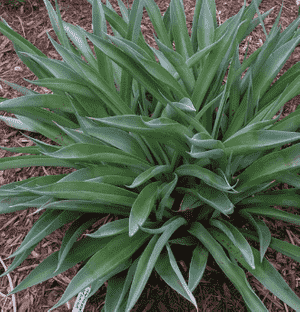
False aloe is most effectively multiplied by separating its clumps, preferably in the spring or fall. This propagation method can be moderately challenging, with indicators of success being fresh shoots and the formation of roots. When dividing, make sure to provide sufficient room for expansion.
Optimal Time for False Aloe Propagation
Propagation Method
Separation
Propagation Period
Spring, Autumn
Tools for False Aloe Propagation
Sharp, sterile knife or pruning shears
These are crucial for making clean cuts through the root system or detaching pups from the parent false aloe plant without causing undue harm. A sanitized blade helps prevent pathogen introduction, vital for the health and success of new plants.
Trowel
This implement is useful for excavating around the false aloe to gently lift it from the soil during the division process. A trowel with a slender blade is preferred to minimize disruption to nearby plants and roots.
Garden fork
A garden fork might be necessary to loosen the soil surrounding the false aloe, which aids in removing the root ball with minimal damage. This is especially important for mature plants with extensive root systems.
Rooting hormone
While not always essential, a rooting hormone can be applied to the cut surfaces of false aloe pups to encourage faster root development. This enhances the success rate of the division propagation method.
Potting mix
A well-draining potting mix is vital for newly divided false aloe pups to establish their root systems. A blend containing perlite, sand, and organic matter is beneficial as it provides good aeration and drainage while supplying necessary nutrients.
Planting containers or pots
Of appropriate dimensions, these are needed for housing each division until they develop a sufficiently strong root system for transplanting. Pots should have drainage holes to prevent waterlogging, which could lead to rot in the new plants.
How to Propagate False Aloe?
Propagation Type
Division
Difficulty Level
Easy
Caring for Your Newly Propagated False Aloe
Caring for Your Newly Propagated False Aloe
Once false aloe offsets are established in their new containers, gradually move them to a spot receiving full sun to partial shade, mimicking their natural environment. False aloe is drought-tolerant, so water sparingly, only when the soil is completely dry. Fertilize lightly during the growing season, but avoid feeding in winter when the plant is dormant. Repot as needed when the false aloe outgrows its container, and watch for signs of pests or disease, treating as necessary.
Common Mistakes to Avoid When Propagating False Aloe
Overwatering
Excessive watering can lead to root rot and fungal infections, which can be detrimental to false aloe's health. This plant species is adapted to arid conditions and requires less water than typical garden plants.
Too much organic matter
Using soil that is overly rich in organic matter can retain too much moisture and reduce drainage. This is problematic for false aloe, which thrives in well-draining, gritty substrates that mimic its natural habitat.
Lack of air circulation
Insufficient air movement around false aloe can encourage the growth of mold and other pathogens, leading to poor health and failure of cuttings to root.
Deep planting
Planting false aloe cuttings or offsets too deeply can suffocate developing roots and decrease the chances of successful propagation.
Tips For Propagating False Aloe
Allow cuttings to callous
Letting the cut end of false aloe cuttings dry and form a protective layer for several days before planting promotes proper rooting and prevents decay.
Use sandy, well-draining mix
Propagating false aloe in a blend of sand, perlite, and a small amount of organic material helps simulate natural growing conditions and improves rooting success.
Moderate indirect sunlight
Exposing false aloe propagules to bright, indirect sunlight supports their growth without the risk of sunburn, which can be harmful when they are still establishing.
Gentle watering regime
Maintaining a gentle watering schedule that allows the soil to dry between waterings is beneficial for false aloe's root development without risking overhydration.



