How to Propagate Kiwi?
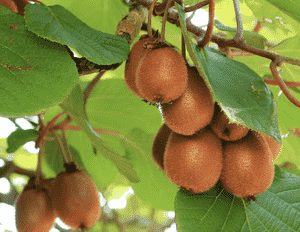
Kiwi, prized for its delectable produce, flourishes through propagation, mainly via cuttings, which ensures genetic uniformity in subsequent plants. Growers advise choosing robust semi-hardwood sections from a healthy parent specimen. It is essential to keep the cuttings in damp, adequately draining soil along with a rooting compound to stimulate development. Providing ideal indirect illumination and steady moisture promotes strong growth.
When Is the Optimal Time to Propagate Kiwi?
Propagation Method
Cutting
Propagation Period
Spring,Summer
What Tools Are Utilized for Kiwi Propagation?
Sharp Pruning Shears
Crucial for making clean, healthy cuts from kiwi without crushing or harming the tissue, which is vital for preventing disease and encouraging proper root formation.
Rooting Hormone Powder
Boosts the probability of successful root growth by stimulating root development in kiwi cuttings. This is particularly helpful as kiwi can sometimes be difficult to root.
Sterile Potting Mix
Offers a clean, pathogen-free environment, which is essential for the rooting of kiwi cuttings. A well-draining and nutrient-balanced substrate promotes healthier root growth.
Propagation Trays
Used to arrange and space out kiwi cuttings, ensuring each has sufficient room for growth and air circulation, which lowers the risk of fungal infections.
Plastic Dome or Cover
Aids in maintaining a high humidity environment around kiwi cuttings, which is crucial for preventing moisture loss through leaves and supports better rooting.
Heat Mats
Promotes an ideal growth temperature, which is essential for the rooting process of kiwi, enhancing the overall propagation success rate by providing consistent warmth.
How to Propagate Kiwi?
Propagation Difficulty
Moderately Difficult
How to Care for Your Newly Propagated Kiwi?
How to Care for Your Newly Propagated Kiwi?
Once kiwi cuttings have established roots, they should be moved to larger containers or directly into the garden if the climate permits. Kiwi needs full sun and well-drained, rich soil. Consistent watering is vital, especially during dry spells, but avoid waterlogging. Support structures for climbing and wind protection will enhance growth. Fertilize with a balanced, slow-release fertilizer during active growth periods. Pruning should be performed to maintain shape and encourage healthier, more productive plants.
Common Mistakes to Avoid When Propagating Kiwi
Inadequate root preparation
Poor or rushed preparation of kiwi cutting roots can lead to ineffective root development. This common error hinders growth or results in propagation failure.
Cutting at wrong points
Taking cuttings that are either too young or too old can impact rooting effectiveness. This mistake might cause the cuttings to be non-viable and unable to establish.
Overwatering
Excessive moisture around kiwi's roots, especially in cuttings, can lead to fungal infections or root rot. This reduces overall health and propagation success.
Ignoring pest management
Failing to manage pests during the early stages of propagation can lead to weakened or diseased plants. This compromises growth and survival rates.
Tips For Propagating Kiwi
Use healthy and mature stems
Select semi-hardwood cuttings from mature, healthy kiwi stems for optimal root development. This increases the chances of propagation success.
Climate-controlled environment
Maintaining a controlled environment with stable temperatures and adequate humidity supports the rooting and early growth of kiwi cuttings.
Proper soil mixture
Use a well-draining, fertile soil mix specifically for kiwi, which helps prevent waterlogging and supports healthier root growth.
Regular monitoring
Regularly checking cuttings for moisture levels, pests, and diseases ensures that any potential issues are addressed early, boosting overall propagation success.



