How to Propagate Japanese sweet flag?
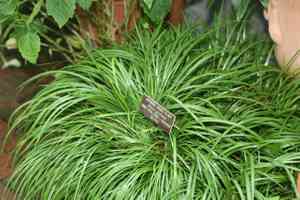
A resilient perennial featuring abundant, blade-like leaves, japanese sweet flag propagates successfully via separation. Cultivators ought to meticulously divide the root ball, making certain each segment possesses sufficient roots. The separated portions should be immediately reinserted into damp earth, where they rapidly take hold and flourish. For peak outcomes, it is crucial to sustain steady hydration following division. The straightforwardness of this propagation method complements japanese sweet flag's sturdy character, rendering it a sensible option for both avid gardeners and novices.
When Is the Optimal Time to Propagate Japanese Sweet Flag?
Propagation Method
Separation
Propagation Period
Spring,Autumn
What Implements Are Utilized in Japanese Sweet Flag Propagation?
Sharp Knife or Garden Shears
A keen knife or garden shears are crucial for cleanly severing the rhizomatous root structure of japanese sweet flag. These instruments must be sharp enough to ensure a clean, precise cut without harming the surrounding plant tissues. This minimizes stress and potential disease entry points on the plant, aiding in quicker recovery and successful establishment post-propagation.
Potting Mix
A rich, well-draining potting medium supports the newly separated sections of japanese sweet flag by offering an ideal environment for root development. The mix should facilitate adequate moisture retention while allowing excess water to drain, preventing issues such as root decay.
Containers
Appropriate containers are needed to house each division of japanese sweet flag until they are robust enough for transplanting. Containers should possess sufficient drainage holes to work with the potting mix in preventing waterlogging. The size should adequately accommodate the root ball of each division, promoting optimal growth.
Watering Can with a Gentle Shower Head
Following division and potting, japanese sweet flag requires careful watering to help settle the soil and reduce air pockets around the roots. A watering can with a gentle shower head ensures that water is uniformly distributed over the soil without dislodging or eroding the soil around the delicate, newly placed divisions.
Rooting Hormone (optional)
While not always essential, rooting hormone can be advantageous for enhancing root development in japanese sweet flag. Applying a rooting hormone to the cut ends of the divisions can encourage faster root formation and increase the overall success rate of propagation.
How to Propagate Japanese Sweet Flag?
Propagation Type
Simple
How to Nurture Your Newly Propagated Japanese Sweet Flag?
How to Nurture Your Newly Propagated Japanese Sweet Flag?
After propagation, japanese sweet flag needs consistently moist soil without becoming waterlogged. Position the plant in a spot with partial shade, avoiding direct sunlight. Maintain a regular watering schedule and provide a balanced fertilizer during the active growth period. Monitor for pests and diseases, and remove any dead or yellowing foliage to encourage healthy development.
Common Errors to Avoid When Propagating Japanese Sweet Flag
Excessive Watering
Overwatering can lead to root rot, which is detrimental to japanese sweet flag's root development. This plant requires well-drained soil and can be more susceptible to waterlogged conditions due to its rhizome-based system.
Poor division technique
Japanese sweet flag primarily propagates through division. Incorrect division methods or unclean cuts can harm the rhizomes, increasing the risk of disease and reducing successful propagation.
Using diseased plant material
Propagating japanese sweet flag with diseased or pest-infested plant material can spread problems to the new plants. This error can severely impact the health and growth of the propagated individuals.
Ignoring rhizome health
Japanese sweet flag relies on healthy rhizomes for propagation. Failing to examine rhizomes for health and vigor can result in poor growth or failure to establish new plants.
Advice For Propagating Japanese Sweet Flag
Proper rhizome selection
Choosing healthy and robust pieces of rhizomes with at least one growth point will enhance the success rate of propagating japanese sweet flag.
Adequate soil preparation
Preparing a soil mix that ensures proper drainage and aeration is crucial, as japanese sweet flag's root system thrives in these conditions.
Sterilize tools
Sterilizing all tools before dividing japanese sweet flag prevents the introduction of diseases and pests into the freshly cut rhizomes.
Maintain optimal moisture
Providing a consistent, but not excessive, moisture level after planting divisions will help new japanese sweet flag plants establish more successfully without the risk of rot.



