How to Propagate Acacia buxifolia?
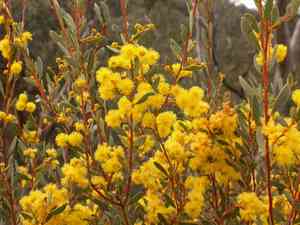
Acacia buxifolia is a perennial shrub recognized for its appealing golden blossoms and versatility across different soil compositions. To propagate, utilize semi-hardwood cuttings featuring robust ends. Confirm that cuttings measure approximately 10-15 cm in length and insert them into adequately draining substrate. Preserve moisture with a plastic enclosure until the root system is firmly established. Consulting botanical references underscores its hardiness and straightforward root formation, rendering it appropriate for both seasoned horticulturists and beginners.
When Is the Optimal Time to Propagate Acacia Buxifolia?
Propagation Type
Cutting
Propagation Season
Spring,Summer
What Tools Are Utilized for Acacia Buxifolia Propagation?
Sharp Pruning Shears
Employed for taking cuttings from acacia buxifolia. The keen blades ensure a clean cut, minimizing harm to both the parent plant and the cutting, which aids in successful rooting.
Rooting Hormone
This powder is applied to the severed end of acacia buxifolia cuttings to encourage root development and boost the propagation success rate.
Propagation Trays
Utilized for planting cuttings of acacia buxifolia. These trays enable efficient space usage and offer a controlled setting for the cuttings to root.
Sterile Potting Mix
A well-draining, pathogen-free growing medium crucial for the successful rooting of acacia buxifolia. Helps prevent decay and other issues caused by microbes.
Mist Sprayer
Maintains the humidity levels around cuttings of acacia buxifolia, which is vital for preventing dehydration and ensuring adequate moisture for root development.
Heat Mat
Provides warmth to the base of propagation trays, which accelerates rooting in acacia buxifolia cuttings by maintaining an ideal temperature for root growth.
Scalpel or Grafting Knife
Used for making precise incisions on acacia buxifolia cuttings, especially critical for preparing the cut end cleanly to enhance rooting potential.
Labels and Markers
Essential for tagging and monitoring the various cuttings of acacia buxifolia to track their progress and ensure correct identification.
How to Propagate Acacia Buxifolia?
Propagation Type
Moderately Difficult
How to Care for Your Newly Propagated Acacia Buxifolia?
How to Care for Your Newly Propagated Acacia Buxifolia?
Once the cuttings of acacia buxifolia have established roots, typically within several weeks to a few months, they can be transplanted into individual pots with well-draining soil. Gradually acclimate the young plants to their new environment by moving them outdoors into a shaded area for extended periods before planting them in the ground. Ensure the plants receive adequate water, particularly during dry periods, and provide full sun to partial shade. Prune as necessary to maintain shape and remove any dead or diseased branches.
Common Mistakes to Avoid When Propagating Acacia Buxifolia
Incorrect Seed Treatment
Failing to scarify or treat seeds properly often results in poor germination rates because acacia buxifolia seeds have a hard outer coating that needs to be broken down.
Inadequate Soil Composition
Using soil that is too rich or garden soil can result in poor seedling health. Acacia buxifolia thrives in well-draining, sandy soils which mimic its natural habitat.
Overwatering
Excessive watering can lead to root rot and fungal diseases. Acacia buxifolia prefers dry conditions once established and is susceptible to waterlogged soil.
Insufficient Light
Placing seedlings in areas with insufficient light can stunt growth. Acacia buxifolia requires full sun to thrive.
Tips For Propagating Acacia Buxifolia
Seed Scarification
Gently abrade the seed coat with sandpaper or soak the seeds in warm water overnight to improve germination rates.
Use Well-Draining Soil
Mix sandy soil with a small amount of compost to mimic acacia buxifolia's natural growing conditions and ensure proper drainage.
Moderate Watering
Water seedlings sparingly, allowing the soil to dry out between waterings to prevent root rot.
Provide Full Sun
Place seedlings in a sunny location where they can receive at least six hours of direct sunlight daily to promote robust growth.



