How to Propagate Greater marsh St. John's wort?
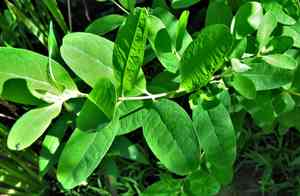
Hypericum elodes, a perennial herb thriving in damp environments, can be successfully multiplied by seeding. Utilizing recently harvested seeds is recommended for superior sprouting success. Keep the growing medium consistently moist and guarantee adequate drainage to prevent saturation. Create a seedbed using finely textured soil, distribute the seeds uniformly, and lightly conceal them. Consistent observation and defense against harmful organisms will foster robust development.
What Is the Best Time To Propagate Greater Marsh St. John's Wort?
Propagation Type
Seeding
Propagation Season
Spring
What Tools Are Used in Greater Marsh St. John's Wort Propagation?
Seed Trays or Flats
Seed trays or flats are vital for planting greater marsh St. John's wort seeds. They offer a controlled setting for germination and initial root growth. Their consistent depth and spacing boost germination rates and simplify moisture management.
Sterile Potting Mix
Employing a sterile potting mix helps ward off fungal infections and diseases that might harm greater marsh St. John's wort seeds during germination. A well-draining mix also prevents seeds from sitting in water, which can cause rot.
Heat Mat
A heat mat delivers consistent warmth from below, which can speed up the germination of greater marsh St. John's wort seeds. Most seeds sprout quicker and more uniformly at a steady, warm temperature, typically around 20-25°C (68-77°F).
Humidity Dome
Humidity domes are placed over seed trays to maintain high moisture levels, essential for greater marsh St. John's wort seed germination. The dome helps retain water and creates a mini-greenhouse effect, improving germination success.
Fine Spray Bottle
A fine spray bottle allows for gentle misting of seeds without dislodging them. Keeping conditions moist but not waterlogged is crucial for greater marsh St. John's wort seeds to germinate and for young seedlings to thrive.
Plant Labels
Labeling is important for tracking species and planting dates. Proper identification ensures you can provide the correct care needed at various growth stages for greater marsh St. John's wort.
Seedling Transplant Tool
A seedling transplant tool, often called a dibber or widger, assists in carefully moving greater marsh St. John's wort seedlings from the tray to individual pots or garden beds without harming delicate roots.
Grow Lights
Grow lights are necessary if natural light is insufficient, especially in early spring or indoors. Adequate light ensures greater marsh St. John's wort seedlings grow strong and avoid becoming leggy or weak.
How to Propagate Greater Marsh St. John's Wort?
Propagation Type
Simple
How to Care for Your Newly Propagated Greater Marsh St. John's Wort?
How to Care for Your Newly Propagated Greater Marsh St. John's Wort?
Ensure consistent moisture for greater marsh St. John's wort by keeping the soil wet, as it thrives in boggy conditions. Fertilize with a balanced, water-soluble fertilizer every few weeks during the growing season. Monitor for pests and diseases, and address any issues promptly. Gradually introduce young plants to outdoor conditions if grown indoors before planting them in their permanent spot.
Common Mistakes to Avoid When Propagating Greater Marsh St. John's Wort
Overwatering
Excessive watering can lead to root rot, as greater marsh St. John's wort prefers consistently moist but not waterlogged soil.
Improper Soil Choice
Using dense, clay-rich soils that drain poorly can suffocate roots and hinder growth. Greater marsh St. John's Wort thrives in well-draining, loamy soils.
Inadequate Light
Placing greater marsh St. John's wort in overly shaded areas reduces its growth and flowering potential. It needs full to partial sunlight for optimal development.
Incorrect Cuttings
Taking cuttings that are too mature or too young may result in poor rooting. Greater marsh St. John's wort requires semi-hardwood cuttings for effective propagation.
Lack of Humidity
Ignoring humidity needs can cause cuttings to dry out. High humidity is crucial during the initial stages of propagation.
Tips For Propagating Greater Marsh St. John's Wort
Optimized Watering
Ensure the soil is damp but not saturated, allowing for proper root respiration and preventing waterlogged conditions.
Appropriate Soil
Utilize a well-draining, loamy soil mix to support healthy root development and avoid water retention problems.
Adequate Light
Provide full to partial sunlight to meet greater marsh St. John's wort's growth requirements and encourage abundant blooming.
Proper Cuttings
Select semi-hardwood cuttings, ideally from the current season's growth, to enhance rooting success.
Maintain Humidity
Create a humid environment using misting or a humidity dome to improve the rooting process and prevent cuttings from drying out.



