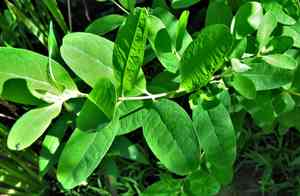
Greater marsh St. John's wort (Triadenum walteri)
Also known as: Walter's St. John's-wort, Small St. John's-wort
The Greater marsh St. John's wort (Hypericum elodes) features yellow star-shaped flowers and oval, opposite leaves that are often covered in a fine downy hair. This plant flourishes in wet, marshy areas such as bogs, fens, and along the edges of ponds and streams. It thrives in acidic, nutrient-poor soils and exhibits a creeping growth habit, forming dense mats that contribute to soil stabilization in these moist environments.
In This Article
Attributes of Greater marsh St. John's wort
Lifespan
Perennial
Plant Type
Herb
Plant Height
0.5 to 1 meter
Spread
N/A
Leaf Color
Green, often with a gland-dotted underside
Flower Size
0.5 to 1 centimeter
Flower Color
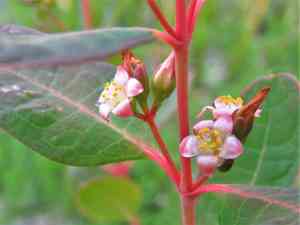
Pink to rose
Images of Greater marsh St. John's wort
Quickly Identify Greater marsh St. John's wort
1
Triadenum walteri can be identified by its erect, herbaceous stems, opposite leaves, and clusters of small, pink to rose-colored flowers. The ovate leaves often have a noticeable gland-dotted underside.
Scientific Classification of Greater marsh St. John's wort
Phylum
Vascular plants
Class
Dicotyledons
Order
Malpighiales
Family
St. John's wort
Genus
Marsh St. John's wort
Species
Greater marsh St. John's wort
Planting and Growing of Greater marsh St. John's wort
Care Difficulty
Moderate
Watering Schedule
Every 4 days
Sunlight Requirements
Partial sun
Sunshine Duration
4-8 hours
Ideal Temperature
70-85℉
Soil Type
Potting Mix, Peat Mix
Soil pH
5.5-6.8
Fertilizer Type
Balanced
Pruning Season
Spring, Summer
Pruning Area
Branches, Leaves
Pruning Frequency
2 times a year
Repotting Season
Spring
Pot Type
Plastic, Ceramic
 How to Water Greater marsh St. John's wort?
Triadenum walteri thrives with moderate watering, ensuring the soil remains consistently moist but not waterlogged. Water about 250 ml until it's well absorbed into the soil, allowing the excess to drain.
What are the symptoms of an underwatered Greater marsh St. John's wort?
›
What should I do if my Greater marsh St. John's wort is not getting enough water?
›
What are the symptoms of an overwatered Greater marsh St. John's wort?
›
How to save an overwatered Greater marsh St. John's wort?
›
 What Are the Sunlight Requirements for Greater marsh St. John's wort?
Triadenum walteri thrives in partial sun or light shade environments, where it benefits from moderate light levels. Ideal lighting encourages balanced growth, vibrant flowering, and resilience against stressors.
What type of light is best?
›
How to achieve ideal lighting?
›
What are the benefits of perfect lighting?
›
 What Is the Ideal Temperature Range for Greater marsh St. John's wort?
Triadenum walteri thrives best when the temperature is maintained between 70°F and 85°F. This temperature range promotes optimal growth, flowering, and overall plant health. Ensuring this range helps the plant efficiently carry out photosynthesis and other metabolic processes essential for its vitality.
 What Soil is Best for Greater marsh St. John's wort?
Triadenum walteri thrives in soils with good moisture retention, which helps maintain consistent hydration levels for the plant, especially during dry periods. This capability ensures the plant's lush growth and prolonged blooming phase. The plant benefits from a nutrient-rich substrate that can supply essential minerals and nutrients. Adding compost or organic matter can significantly enhance the nutrient profile, fostering healthy root development and vibrant foliage. While moisture is crucial, good drainage is equally important to prevent waterlogging. Sandy or loamy soil with organic amendments can ensure that excess water flows away, which reduces the risk of root rot and supports vigorous plant health.
 How to Fertilize Greater marsh St. John's wort?
Triadenum walteri prefers moderate feeding, so it is essential to use a balanced fertilizer. A liquid feed diluted to half-strength is ideal. Apply no more than 10-15 ml per plant, ensuring you do not overfeed.
 How to Prune Greater marsh St. John's wort?
Begin by inspecting Triadenum walteri for any damaged, diseased, or dead stems. Using sharp, clean pruning shears, make clean cuts to remove these sections and to shape the plant. Focus on removing excessive growth to allow light penetration and air circulation. Prune back any leggy stems to encourage a bushier growth. Ideally, cut just above a leaf node or branch point to promote healthy regrowth. For best results, always sterilize your tools before and after pruning to prevent disease spread.
More About Pruning Techniques→
 How to Propagate Greater marsh St. John's wort plant?
1
Fill seed trays with a good quality seed-starting mix, ensuring it's moist but not waterlogged. Scatter the seeds evenly over the surface, and cover them lightly with the mix. Place the trays in a warm, bright location, maintaining consistent moisture until germination occurs.
2
Select healthy stems from the parent plant and cut lengths of about 4-6 inches. Remove lower leaves and dip the cut end into rooting hormone. Plant the cuttings in a well-draining potting mix, and keep the soil moist while avoiding waterlogging.
3
Carefully dig up the plant, avoiding damage to the root system. Use a sharp knife to separate the root ball into smaller sections, each with healthy roots and shoots. Re-plant the divisions in prepared soil, water well, and provide appropriate care as they establish.
 How to Repot Greater marsh St. John's wort plant?
1
Triadenum walteri signals its need for repotting when its roots start to circle the inside of the container or when growth appears stunted despite routine care. Repot in early spring or summer when the plant's growth cycle is accelerated, allowing it to adjust swiftly to a refreshed environment.
2
Selecting a new pot for Triadenum walteri should involve looking for a container that is one size larger than its current home, with ample drainage holes. This ensures proper drainage and room for root expansion, helping prevent waterlogging while supporting healthy growth.
3
Opt for a soil mix that is loamy and well-draining, as Triadenum walteri prefers moist but aerated conditions. This type of soil enhances root health by preventing excess water accumulation and encourages steady growth through optimal nutrient supply.
Learn More About Greater marsh St. John's wort Diseases
Anthracnose
Bacterial Leaf Spot
Bacterial Soft Rot
Bacterial Wilt
Black Spot
Chemical Injury
Damping-off
Downy Mildew
Drought Stress
Fusarium Wilt
Gray Mold
Late Blight
Leaf Curl
Leaf Spot
Mosaic
Nutrient Deficiency
Nutrient Toxicity
Powdery Mildew
Root Rot
Root-knot Nematode
Rusts
Sooty Mold
Spider Mites
Temperature Stress
Thrips Damage
White Mold



