How to Overwinter Yucca gigantea
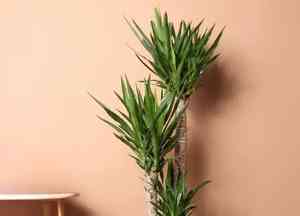
1
Spineless yucca thrives in temperatures ranging from 12-24°C (55-75°F) during the colder months.
2
Make sure your Spineless yucca receives a minimum of 6-8 hours of ample, diffused indoor light.
3
During winter, water the plant infrequently, decreasing the watering schedule to once every 3-4 weeks.
Why is Overwintering Important for Spineless yucca?
Why is Overwintering Important for Spineless yucca?
Protecting your Spineless yucca during winter is essential for its health and long-term survival, especially in areas with harsh cold. This plant, native to Central America, lacks frost tolerance and needs specific care to endure colder periods. Proper winterization ensures your plant stays healthy and vibrant, ready to thrive once warmer weather returns.
How to Prepare Spineless yucca for Winter
Assessing Plant Health Before Winter
Prior to the onset of cold weather, carefully examine your Spineless yucca. Look for any indications of illness or pest presence. Healthy plants are better equipped to handle the stress of indoor relocation and the winter season. Remove any yellowed or dead foliage and check for hidden insects. Addressing these concerns now will prevent future problems.
Trimming and Cleaning the Plant
Prune any excessively long or leggy stems to maintain a healthy form. Cleaning the leaves is also crucial; wipe them with a damp cloth to remove dust and debris. This allows the plant to photosynthesize more effectively once indoors, ensuring it receives necessary light, even during shorter winter days.
Proper Potting Techniques
If your Spineless yucca is in a garden bed, it's time to transfer it to a pot. Select a container large enough to accommodate its root system, allowing some space for growth. Use well-draining soil to prevent root rot, which is common for plants kept indoors over winter. A mix of cactus soil with added perlite works well for yuccas.
Creating the Ideal Indoor Environment
Optimal Temperature Settings for Spineless yucca
The Spineless yucca prefers temperatures between 12-24°C (55-75°F). Avoid placing it near drafts or direct heat sources, such as radiators or heaters, as sudden temperature shifts can stress the plant.
Ensuring Adequate Lighting
Light is crucial for your Spineless yucca. Position it near a south or west-facing window to ensure it receives at least 6-8 hours of bright, indirect sunlight daily. If natural light is insufficient, consider using a grow light as a supplement.
Managing Humidity Levels
While Spineless yuccas are not overly sensitive to humidity, indoor air can be particularly dry in winter. Aim to maintain humidity around 40-50%. You can use a humidity tray with pebbles and water or a small humidifier to achieve these levels.
Watering and Feeding During Winter
Adjusting Watering Schedule
During winter, your Spineless yucca's watering requirements significantly decrease. Water sparingly, allowing the soil to completely dry out between waterings. Typically, watering every 3-4 weeks is sufficient.
Reduced Fertilizer Application
Fertilizing should be minimized or completely halted during the winter months. The plant is in a dormant state and does not require the same nutrient levels as it does during its active growth period. Resume fertilizing in the spring with a balanced, slow-release fertilizer.
Common Issues and How to Address Them
Signs of Overwatering or Underwatering
Overwatering is a frequent problem during winter. Look for yellowing leaves and a soft stem, indicating excessive moisture. Conversely, underwatering will manifest as browning leaf tips and a wilted appearance. Adjust your watering schedule accordingly to find the correct balance.
Dealing with Pests and Diseases
Indoors, pests like spider mites and mealybugs can become an issue. Regularly inspect your Spineless yucca for any signs of infestation, such as fine webs or white, cottony spots. Use insecticidal soap or neem oil to promptly treat any pest problems. Ensure good air circulation around the plant to reduce the risk of fungal diseases.



