How to Overwinter Muscadine
1
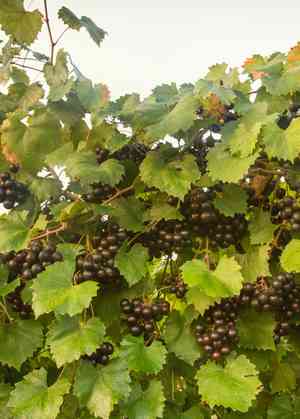
Muscadine grapes tolerate cold well, surviving temperatures down to -12°C (10°F).
2
Trimming encourages fresh development and eliminates any frail or unhealthy limbs.
3
Applying mulch preserves ground dampness and offers protection from low temperatures.
Understanding Muscadine Hardiness
Understanding Muscadine Hardiness
Muscadine grapes, native to the southeastern U.S., are known for their resilience. These grapes are cold-tolerant, meaning they can endure low temperatures, making them a good option for areas with cold winters. While they can withstand temperatures as low as -12°C (10°F), proper care is vital for their survival during the coldest months.
Preparing Muscadine for Winter
When to Begin Preparation
Start preparing your Muscadine grapes for winter in late autumn. It's essential to begin the winterization process before the first frost. This timing allows the vines sufficient time to adapt to colder temperatures.
Pruning Techniques
Pruning is a crucial step in readying Muscadine grapes for winter. Trim any dead or weak branches to prevent disease and encourage healthy growth in spring. Aim to remove about 90% of the vine's growth to keep it manageable and enhance fruit production.
Soil and Mulching Strategies
Ensure the soil around your Muscadine vines drains well. Apply a thick layer of mulchâapproximately 8-12 cm (3-5 inches)âaround the base of the vine. Mulch retains soil moisture and insulates against the cold, safeguarding the root system.
How to Protect Muscadine from Frost
Using Row Covers
Row covers are an effective method to shield your Muscadine grapes from frost. They create a barrier that traps heat and prevents frost from settling on the vines. Secure the covers firmly to the ground to keep them in place during windy conditions.
Watering During Frost Periods
Watering the soil around your Muscadine grapes before a frost can help protect them. Moist soil retains more heat than dry soil, providing extra warmth to the roots. Ensure you water in the morning to allow the water to penetrate and the soil to warm up during the day.
Utilizing Windbreaks
Windbreaks can significantly lessen the impact of cold winds on your Muscadine vines. Plant evergreen shrubs or install fences to block cold winds from directly hitting your vines. This simple measure can prevent windburn and further temperature drops around the plants.
Managing Pests and Diseases in Winter
Common Winter Pests
Although winter typically reduces pest activity, some pests like voles and rabbits can still cause damage. Regularly inspect your vines for signs of chewing or gnawing and use protective barriers if needed.
Preventing Fungal Infections
Winter can be a time when fungal infections take hold due to damp conditions. Ensure good air circulation around your vines and avoid waterlogging. Prune away any affected areas to prevent the spread of infections.
Using Natural Pesticides
Consider using natural pesticides like neem oil during the winter months. These treatments can help manage any lingering pests without harming the environment or the beneficial insects that your vines rely on.
Indoor Overwintering Options for Muscadine
Choosing Suitable Containers
If you opt to bring your Muscadine grapes indoors for the winter, select containers that are at least 45 cm (18 inches) in diameter. Ensure they have drainage holes to prevent waterlogging.
Regulating Indoor Conditions
Maintain indoor temperatures between 15-18°C (59-64°F) for optimal grapevine health. Place the containers in a well-ventilated area to ensure good air circulation and prevent mold growth.
Artificial Lighting Needs
Muscadine grapes require ample light to thrive indoors. Use artificial grow lights to supplement natural light, ensuring the vines receive at least 6-8 hours of light per day.



