How to Overwinter Coltsfoot
1
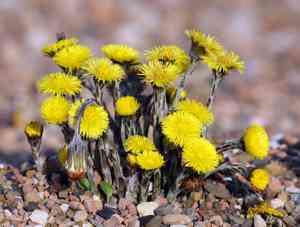
Coltsfoot is a resilient perennial, recognized for its robust characteristics, allowing it to endure severe winter conditions.
2
Appropriate overwintering of Coltsfoot can safeguard it from common pests and illnesses that are more widespread during colder periods.
3
Applying mulch is an essential part of the overwintering procedure, providing the plant with both thermal protection and moisture preservation.
Grasping Coltsfoot's Cold Tolerance
Grasping Coltsfoot's Cold Tolerance
Prior to delving into the specifics of overwintering Coltsfoot, it's vital to comprehend its resistance to cold. Coltsfoot (Tussilago farfara) is recognized for its hardiness and capacity to endure frigid weather. It can survive freezing temperatures as low as -15°C (5°F). This cold tolerance ensures the plant's root system stays safeguarded and can produce new growth in spring.
Preparing Coltsfoot for the Cold Season
When to Begin Overwintering Preparations
Timing is critical for successfully overwintering Coltsfoot. It's best to commence preparations in late autumn, around October or November, before the initial severe frost. This allows the plant ample time to adapt and benefit from the protective measures you'll be implementing.
Required Tools and Supplies
Assembling the correct tools and materials is crucial for a successful overwintering process. You will need: Pruning shears Organic mulch (e.g., straw, leaves) Burlap or frost cloth Stakes and garden twine Insulating materials such as cardboard or old blankets
Coltsfoot Overwintering: A Step-by-Step Guide
Step 1: Evaluating Plant Vigor
Begin by assessing the overall health of your Coltsfoot. Look for any indications of disease or pest damage and address these issues before proceeding. Healthy plants are more likely to survive the winter and flourish in the spring.
Step 2: Trimming and Tidying
Remove any dead or damaged foliage from your Coltsfoot. This not only aids in reducing disease risk but also makes the plant easier to manage during the winter. Ensure the area around the plant's base is clear of debris and fallen leaves.
Step 3: Mulching and Insulation
Apply a thick layer of organic mulch around the base of your Coltsfoot, approximately 5-10 centimeters (2-4 inches) deep. This mulch acts as an insulating barrier, shielding the roots from extreme temperatures and helping to retain soil moisture.
Step 4: Erecting Protective Barriers
Utilize stakes and garden twine to construct a framework around your Coltsfoot. Drape burlap or a frost cloth over the frame to create a protective covering. This setup helps shield the plant from strong winds and frost while allowing air circulation to prevent mold.
Step 5: Winter Monitoring and Upkeep
Periodically check on your Coltsfoot throughout the winter months. Ensure the mulch remains in place and inspect the protective cover for any damage. Adjust the cover as needed to prevent it from becoming too tight or too loose.
Common Challenges and Solutions for Overwintering Coltsfoot
Addressing Frost Damage
If you observe any frost damage on your Coltsfoot, promptly trim away the affected areas. Applying a bit of extra mulch can help mitigate future frost damage.
Managing Winter Pest Issues
Pests like slugs and rodents might seek shelter in your overwintered Coltsfoot. Employ natural deterrents and traps to keep these pests away. Regularly inspect the plant for any signs of pest activity.
Preventing Fungal Growth and Mildew
Ensure adequate airflow around your Coltsfoot by not wrapping the protective cover too tightly. If mold or mildew appears, remove the affected parts of the plant and consider using a mild fungicide as a preventive measure.



