How to Overwinter Purple heart
1
Purple heart plants are susceptible to frost and will not survive freezing conditions.
2
Optimal indoor temperatures for Purple heart plants in winter range from 18-24°C (65-75°F).
3
Applying mulch can provide insulation for outdoor Purple heart plants during chilly periods.
Caring for Purple heart Plant in Cold Weather
Caring for Purple heart Plant in Cold Weather
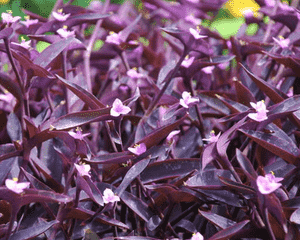
The Purple heart plant, recognized for its striking purple leaves, demands careful attention during colder periods. This plant is sensitive to frost, meaning it does not handle freezing temperatures well. As temperatures drop, understanding its specific requirements is vital for its survival and continued vibrancy. This guide will outline essential care practices to successfully overwinter your Purple heart plant.
Protecting Purple heart from Cold Injury
Why is Purple heart sensitive to cold?
The Purple heart plant originates from warmer regions and lacks natural defenses against frost. Its cell structure is vulnerable to ice crystal formation internally, which can harm its leaves and stems. Cold damage can lead to tissue death and increase the plant's susceptibility to illnesses.
Optimal Temperature Ranges for Purple heart
For best growth and health, Purple heart plants prefer temperatures between 18-24°C (65-75°F) during winter. These conditions promote growth without the risk of frost damage. If outdoor temperatures are expected to fall below 10°C (50°F), it is advisable to bring the plants inside.
Indoor Winter Care for Purple heart
Selecting the Right Indoor Location
When bringing your Purple heart plant indoors for winter, choose a spot that mimics its natural light conditions. A bright, south-facing window is ideal as it provides sufficient light without exposing the plant to direct, intense rays, which can be too strong.
Light and Humidity Requirements
Indoors, your Purple heart plant will thrive with bright, indirect light. If natural sunlight is limited, consider using grow lights to supplement. Additionally, maintain a moderate humidity level, around 40-50%, to prevent the plant from drying out. A humidifier or a pebble tray with water can help achieve the desired humidity.
Winter Watering and Feeding
During winter, your Purple heart plant's growth rate slows, reducing its need for water and nutrients. Water sparingly, ensuring the soil is dry to the touch before re-watering. Overwatering can cause root rot. Avoid fertilizing during this period, as the plant is not actively growing.
Outdoor Winter Care Methods for Purple heart
Using Mulch for Insulation
Mulching is an effective way to protect Purple heart plants left outdoors. A thick layer of organic mulch, such as straw or leaves, around the plant's base provides insulation and stabilizes soil temperature. This helps keep the roots warm and safe from freezing conditions.
Covering Plants to Prevent Frost
To further protect your Purple heart plant from frost, use frost cloths or garden fabric covers. These can be placed over the plant during particularly cold nights to retain warmth. Ensure the cover does not directly touch the plant to prevent condensation and potential freezing.
When and How to Move Plants Indoors
If temperatures are predicted to drop significantly, it's wise to move your Purple heart plant indoors. Gently dig around the plant and repot it into a container with well-draining soil. Acclimate it to indoor conditions by gradually increasing its time indoors over a week.
Signs of Cold Damage in Purple heart
Typical Symptoms of Cold Stress
Cold damage in Purple heart plants appears as blackened or wilted leaves, soft stems, and an overall unhealthy look. Discolored foliage clearly indicates the plant has suffered from exposure to low temperatures.
Steps to Revive Cold-Damaged Purple heart
If your Purple heart plant shows signs of cold damage, prompt action can aid its recovery. Remove all damaged leaves and stems to prevent disease spread. Place the plant in a warm, bright location and keep the soil slightly moist. Avoid fertilizing until new growth appears, signaling the plant's recovery.



