How to Overwinter Taraxacum officinale
1
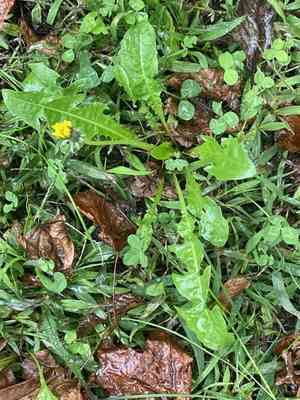
The deep taproot of common dandelions enables them to endure winter freezes.
2
Appropriate mulching aids in retaining moisture and safeguarding the plant's root structure from freezing and thawing.
3
Slowly acclimating dandelions to outdoor environments in spring prevents stress and encourages robust development.
Why Overwinter Common dandelions?
Why Overwinter Common dandelions?
Common dandelions (Taraxacum officinale) are more than just tough weeds; they are versatile plants offering many advantages. These resilient plants can endure winter conditions with some attention and preparation, ensuring they emerge healthy and vibrant in spring. Overwintering your Common dandelions helps maintain their nutritional and medicinal qualities, valuable in teas, salads, and herbal remedies. Furthermore, by protecting them during cold periods, you can avoid the effort of replanting new dandelions each spring.
Preparing Common dandelions for Winter
Watering Needs
As winter approaches, it's essential to adjust the watering routine for your Common dandelions. In early fall, maintain consistent moisture to keep the soil damp but not saturated. This aids the plants in developing a strong root system before the ground freezes. However, once temperatures significantly drop, reduce watering. Excessively wet soil can lead to root rot when combined with freezing conditions. A good guideline is to water every two weeks, depending on rainfall and soil moisture.
Pruning Techniques
Pruning your Common dandelions is another vital step in preparing them for winter. Remove any dead or decaying leaves and lightly trim the plants. This helps decrease the risk of diseases and pests that might exploit weakened or decomposing plant material. Aim to cut back the foliage to about 10-15 cm (4-6 inches) above ground level. This controlled pruning minimizes plant stress while ensuring sufficient foliage for photosynthesis until colder temperatures fully arrive.
Mulching Practices
Mulching is one of the best methods to ensure your Common dandelions survive the winter. Apply a thick layer of organic mulch, such as straw, leaves, or wood chips, around the plant bases. This helps insulate the soil, retain moisture, and prevent roots from freezing. Aim for a mulch layer of about 5-7 cm (2-3 inches), ensuring it covers the root zone but doesn't directly touch the stems to prevent rot. Mulching not only protects against severe cold but also enriches the soil as it breaks down.
Protecting Common dandelions During Extreme Cold
Using Frost Cloths
During sudden temperature drops or extreme cold spells, covering your Common dandelions with frost cloths can provide an additional layer of defense. These breathable fabrics trap warmth from the soil, lessening the risk of frost damage. Secure the frost cloths around the plants using stakes or weights, ensuring they don't blow away in the wind. This method is especially useful for young or newly planted dandelions that haven't fully established their root systems.
Proper Insulation Techniques
In addition to using frost cloths, effective insulation methods can help safeguard your Common dandelions. Create a temporary wind barrier using burlap or other breathable materials to shield the plants from harsh, drying winds. Another effective technique is to create a mini greenhouse effect by placing a clear plastic dome or cloche over the plants. These methods trap heat and provide a microclimate that is several degrees warmer than the surrounding environment, ensuring your dandelions remain safe and vigorous.
Spring Care for Common dandelions After Overwintering
Gradual Re-introduction to Outdoor Conditions
As the weather begins to warm, slowly reintroduce your Common dandelions to outdoor conditions to prevent shock. Start by removing any frost cloths or insulation materials during the day when temperatures are mild, and replace them at night if frost is still a concern. After a week or two, once the risk of frost has passed, you can fully expose the plants to the outdoor environment. This gradual transition helps the plants acclimate and resume healthy growth.
Fertilizing Tips
Following the winter months, it's beneficial to give your Common dandelions a nutrient boost. Use a balanced, all-purpose fertilizer to promote robust growth. Apply the fertilizer according to package directions, ideally once the ground has thawed and the plants show signs of new growth. Organic options like compost or well-rotted manure can also provide necessary nutrients without the risk of chemical buildup. Regular feeding will ensure your dandelions remain healthy and productive throughout the growing season.
Identifying Winter Damage
Once the winter season concludes, inspect your Common dandelions for any signs of damage. Look for brown or blackened leaves, mushy stems, or areas of rot. Remove any damaged parts to prevent disease spread and allow for healthy new growth. If you find that any plants have not survived the winter, consider replanting new ones in the spring. Being vigilant and proactive in identifying and addressing winter damage will help maintain a healthy and thriving dandelion patch.



