How to Overwinter Pepino
1
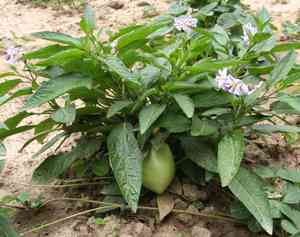
Pepino plants are somewhat delicate, requiring shelter from frost.
2
Optimal indoor environments for Pepino involve temperatures between 18-24°C (65-75°F) and ample, diffused light.
3
Periodically inspect Pepino plants for infestations and illnesses throughout the colder season.
What Does Overwintering Mean for Pepino Plants?
What Does Overwintering Mean for Pepino Plants?
Overwintering refers to the practice of safeguarding plants through the winter season, enabling them to endure harsh conditions and flourish in the subsequent growing period. For Pepino plants, this involves implementing measures to shield them from freezing temperatures, which can be detrimental to their well-being. As Pepino is a half-hardy plant, it cannot withstand frost, necessitating appropriate care methods either by relocating the plant indoors or by providing sufficient protection if kept outside.
Ideal Conditions for Overwintering Pepino Indoors
Step-by-Step Preparation for Bringing Pepino Indoors
Before relocating your Pepino plants inside, it's crucial to prepare them properly. Begin by pruning the plant to manage its size, removing any dead or unhealthy foliage. Inspect for pests and treat if necessary, as you don't want to introduce any unwelcome guests indoors. Once these steps are complete, gently unearth the plant if it's in the ground, ensuring you preserve as much of the root system as possible. Place the plant in a pot with well-draining soil to facilitate a smooth indoor transition.
Creating the Right Indoor Environment
Indoors, Pepino plants require a consistent environment to thrive. Aim to maintain temperatures between 18-24°C (65-75°F) and provide bright, indirect sunlight, ideally near south-facing windows. Humidity levels should be moderate, around 40-60%, to replicate their natural habitat. If natural light is insufficient, consider utilizing grow lights to ensure the plant receives adequate illumination. Avoid positioning Pepino near drafty windows or heat sources like radiators that could cause temperature fluctuations.
Watering and Feeding During Winter
During winter, Pepino plants enter a slower growth phase, requiring less water and nutrients. Water the plant sparingly, allowing the soil to dry out slightly between waterings. Use room-temperature water to prevent shocking the roots. Feeding should be minimal; a monthly application of a balanced liquid fertilizer at half the recommended strength is generally sufficient. Overwatering and over-fertilizing can lead to root rot and nutrient build-up, which are harmful to the plant's health.
Maintaining Pepino Outdoors in Mild Winters
Protecting Pepino from Frost and Cold
In regions with mild winters, it's feasible to keep Pepino outdoors with adequate protection. When frost is anticipated, cover the plant with a frost cloth or burlap, ensuring it is secured to prevent direct contact with the foliage. For additional insulation, you can construct a makeshift greenhouse using a clear plastic cover supported by stakes. This structure traps heat, providing a warmer microclimate for your Pepino.
Mulching and Covering Techniques
Applying a thick layer of mulch around the base of Pepino plants is an effective method to insulate the roots from cold temperatures. Straw, wood chips, or compost are excellent mulching materials. Spread the mulch about 5-10 cm (2-4 inches) thick, ensuring it doesn't directly touch the stem. Additionally, use horticultural fleece or a cold frame to provide extra protection, especially during unexpected cold snaps.
Monitoring and Adjusting Care
Regularly observe Pepino plants for any indications of stress or damage due to cold weather. Look for wilting, blackened leaves, or slowed growth. Adjust your protective measures accordingly, increasing insulation or temporarily moving the plant indoors if harsher weather is predicted. Remain vigilant for frost warnings and be prepared to act quickly to safeguard your plants.
Common Challenges and Solutions for Overwintering Pepino
Dealing with Pests and Diseases
Indoor conditions can sometimes encourage pest infestations such as aphids, spider mites, and whiteflies. Regularly inspect your Pepino plant for any signs of pests and treat promptly with insecticidal soap or neem oil. Diseases like powdery mildew may also appear due to compromised air circulation. Ensure adequate airflow around plants and maintain cleanliness to reduce disease risks.
Addressing Light Deficiency
During winter, natural light levels are lower, which can impact Pepino growth. Symptoms of light deficiency include leggy growth and pale leaves. To counteract this, use grow lights set on a timer to provide 12-14 hours of light daily. Position the lights about 30-45 cm (12-18 inches) above the plant to ensure even light distribution.



